
Cells at Work! Bacteria Review: The War in Your Gut Has Two Sides
by Haruyuki Yoshida (original concept by Akane Shimizu)
Read the first volume. If it doesn't hook you, put it down. It'll hook you.
Buy Cells at Work! Bacteria on Amazon →*Affiliate link — I earn a small commission at no extra cost to you.
When I first read the original Cells at Work!, I remember sitting in a clinic waiting room in Tokyo feeling oddly proud of my own red blood cells. It is a strange feeling, cheering for the inside of your own body. So when I found out there was a spinoff that gives the same treatment to the bacteria living in my gut — the trillions of tiny things I never once thought about — I had to read it. I am the kind of person who reads the back of yogurt containers. This manga felt like it was made for me.
What surprised me was how much I cared about bacteria by the end. Not the cells this time. The germs.
Quick Take
- A Cells at Work! spinoff that moves the camera from blood cells to the gut microbiome, where good and bad bacteria fight over one human host
- Drawn in a softer shojo style than the original — it ran in Nakayoshi, a girls' magazine, not a shonen one
- Complete at 7 volumes; rated T (Teen) — mostly all-ages but with comedic battle violence and a couple of darker infection arcs
Story Overview
The setting is the human intestine. Down in the gut, two armies are locked in a constant war. On one side is the Bifidum army — the good bacteria, led by their commander, who keep the host healthy and fight off invaders. On the other side is Clostridium Perfringens and the bad bacteria, who get stronger when the host eats too much meat and weaker when the host eats vegetables.
The early chapters set up this rivalry as the engine of the whole series. The good bacteria want a balanced, healthy host; the bad bacteria are more troublemakers than true villains. The turning point in how the manga works comes when a real outside threat shows up — pathogens like Salmonella or E. coli O157 that can actually kill the host. When that happens, the good Bifidum army and the "bad" Clostridium Perfringens are forced to fight on the same side, because if the host dies, everyone dies. That uneasy alliance is the heart of the book.
It ends not with one side winning, but with the idea the whole series keeps circling back to: the gut needs balance. The "good" bacteria are not always right, and the "bad" ones are not pure evil. Health is the truce between them.
Characters
Bifidum (the Bifidum army) — The beneficial bacteria who defend the intestine and regulate it. They are vegetarians, thriving when the host eats fruit and vegetables, and they are sincerely devoted to protecting their host. They carry the earnest, hard-working energy the original series gave to white blood cells.
Clostridium Perfringens — The leader of the bad bacteria. He grows powerful when the host overeats meat. He is the antagonist, but the manga is careful: he is more of a stubborn rival than a monster, and when something truly dangerous appears, he will protect the host too.
The Lactic Acid Bacteria — A comedic, lovable group whose whole purpose is to help. In one arc, huge numbers of dead lactic acid bacteria pour down from the stomach into the intestine and release chemicals that massively reinforce the Bifidum army. They are the "probiotic" cavalry, and their chapters are the lightest in tone.
The pathogens (Salmonella, E. coli O157) — The true outside enemies. Unlike Clostridium, these are not residents but invaders who threaten the host's life, and their arrival is what forces the gut's rival factions to cooperate.
What I Love About It
The thing I love most is the lactic acid bacteria arc — the moment the reinforcements arrive. The setup is that the host has eaten fermented food, and a flood of lactic acid bacteria comes down from the stomach into the gut. Most of them die on the way, but even in dying they release substances that strengthen the Bifidum army. The page turns a piece of dry nutrition science — "dead probiotic bacteria still benefit your gut" — into something that reads like a last stand in a war movie, soldiers giving everything they have on arrival.
What got me was the tone. It is funny and warm and a little silly, and then it sneaks the real biology in sideways so you barely notice you learned something. I have read plenty of "educational manga" that feel like a textbook wearing a costume. This one earns the lesson, because I was already laughing at the lactic acid bacteria before I realized the manga had quietly explained why I should eat yogurt. As someone who genuinely reads yogurt labels, having a manga validate that habit by making it a heroic battle scene hit a very specific, very silly soft spot in me.
Memorable Scene ⚠️ Spoiler Warning
The scene that stayed with me is the alliance against Salmonella. For most of the book, Bifidum and Clostridium Perfringens are enemies — the good army and the bad army, sniping at each other over what the host eats. Then a genuine killer pathogen invades, the kind that can actually take the host down, and the whole logic of the war flips.
Seeing the good Bifidum bacteria and the bad Clostridium bacteria stand back to back against a common enemy is the emotional payoff of the series. It is the moment the manga's quiet thesis becomes loud: in your gut there is no clean "good versus evil." There is only balance, and a shared survival that even rivals will fight to protect. For a series aimed partly at younger readers, that is a surprisingly mature idea, and it landed for me harder than anything in the original Cells at Work!.
Pros & Cons
Pros
- Takes the Cells at Work! formula somewhere genuinely fresh — the microbiome instead of blood cells
- The "good and bad bacteria must cooperate" theme gives it real heart, not just trivia
- Soft, friendly Nakayoshi art makes the science approachable
- Complete and self-contained at 7 volumes
Cons
- Works much better if you have read the original series first
- The educational framing means some chapters lean more toward "lesson" than "story"
- It is gentle and episodic by design, so if you want high stakes and tight plotting, this softer, slower spinoff won't work for everyone
Is Cells at Work! Bacteria Worth Reading?
Yes — especially if you liked the original and you are curious about the part of biology that lives in your gut. It is warm, funny, genuinely educational, and its central idea that health means balance between rivals is more thoughtful than a yogurt-mascot manga has any right to be. Go in expecting a gentle, episodic spinoff rather than an epic, and you will enjoy it.
Where to Buy
Read the first volume. If it doesn't hook you, put it down. It'll hook you.
This post contains affiliate links. If you purchase through these links, I may earn a small commission at no extra cost to you. As an Amazon Associate, I earn from qualifying purchases.
*Affiliate link — I earn a small commission at no extra cost to you.
More Manga You Might Like
Sci-Fi / Fantasy
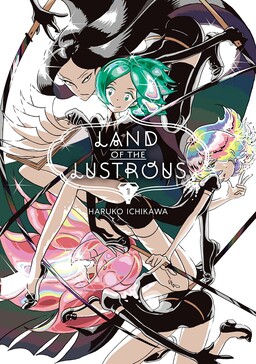
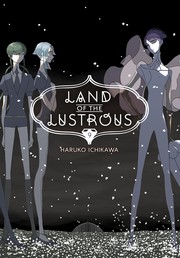
Land of the Lustrous
Yu's review of Land of the Lustrous — in a far future where humanity no longer exists, gem beings called Lustrous fight against Lunarians who wish to capture them for decoration; Phosphophyllite, the youngest and most fragile gem, wants to fight but is unfit for combat; the series follows Phos's transformation into something unrecognizable as their body is replaced piece by piece and their original self becomes inaccessible.
Sci-Fi / Comedy
21 Emon
21 Emon is Fujiko F. Fujio's late-1960s sci-fi comedy about the 21st heir to a centuries-old Tokyo hotel who dreams of becoming a space pilot instead of running the family inn — and the robot, alien, and rival-hotel girl who keep his ordinary future tangled up with the extraordinary universe outside.
Sci-Fi / Comedy
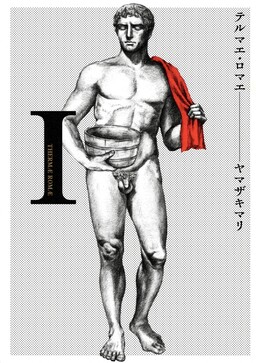
Thermae Romae
Yu's review of Thermae Romae — Lucius Modestus is a Roman bath architect in the 2nd century CE who keeps accidentally slipping through drain holes and emerging in modern Japanese public baths; he returns to Rome with innovations borrowed from Japanese bath culture that make him the most sought-after bath designer in the Empire.
Sci-Fi / Action
Origin
Yu's review of Origin by Boichi — a robot built as a killing machine has been living as a human boy for years, hiding his true nature while protecting the family he has come to care for; when other robots of his kind begin appearing and killing, he must fight while continuing to conceal what he is; a sci-fi action manga about identity, purpose, and what makes life meaningful.

Sci-Fi / Comedy
Mahoromatic: Automatic Maiden
Yu's review of Mahoromatic — Mahoro is the most powerful combat android in existence, but when she chooses to retire and work as a maid for a teenage boy rather than fight on, the series becomes a comedy about domesticity mixed with action sequences and an unexpectedly moving meditation on limited time.

Sci-Fi
Kokkoku
Yu's review of Kokkoku — the Yukawa family inherits a stone that can stop time, placing them in 'Stasis' — a frozen moment where they can move while everything else is still; when criminals kidnap family members, they use Stasis to rescue them, only to discover that a cult has been living in Stasis for years, and that Stasis is not as empty as they thought.
Written by
Yu
Manga Enthusiast from Japan
I grew up in Japan and manga literally saved me during a tough time in elementary school. My English isn't perfect, but my love for manga is real — and I want to share it with you.
Disclosure: This post contains affiliate links. As an Amazon Associate, I earn from qualifying purchases at no extra cost to you.