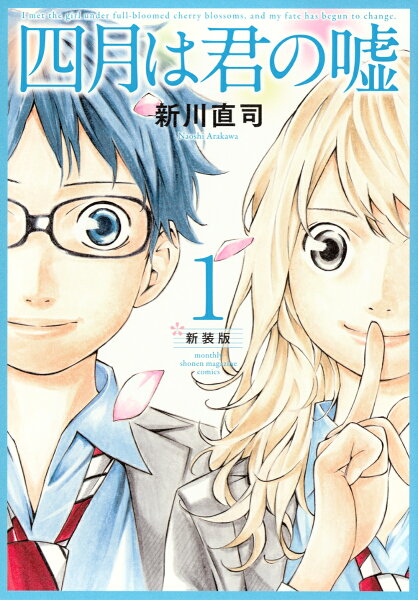
Your Lie in April Review: The Manga That Made Me Hear Music Differently
by Naoshi Arakawa
Read the first volume. If it doesn't hook you, put it down. It'll hook you.
Buy Your Lie in April on Amazon →*Affiliate link — I earn a small commission at no extra cost to you.
Quick Take
- A pianist who cannot hear his own music anymore meets a violinist who plays like she is on fire, and she pulls him back into the world he fled
- The most beautiful music manga I have read — you can almost hear the performances through the panels
- Eleven volumes, complete, with an ending that will stay with you long after you finish
Who Is This Manga For?
- Readers who love music and want to feel it through a visual medium
- Anyone who has grieved and found themselves numb in the aftermath
- Fans of romantic dramas where the emotional stakes are real and the cost is real
- Readers who are ready to cry — this manga is very sad, and it is worth it
Content Warnings & Age Rating
Age Rating: T (Teen) Content Warnings: Terminal illness, death (not shown graphically), grief, a mother who physically and psychologically abused her son in the name of musical training
The illness storyline is central to the plot and handled with care. The scenes depicting Kousei's mother's abuse are presented critically — the manga is clear that what she did was wrong, while also showing the complexity of how Kousei processes it.
Yu's Rating
| Category | Score |
|---|---|
| Story Depth | ★★★★★ |
| Art Style | ★★★★★ |
| Character Development | ★★★★★ |
| Accessibility for Non-Japanese Readers | ★★★★☆ |
| Reread Value | ★★★★☆ |
Story Overview
Kousei Arima was a piano prodigy, the "Human Metronome" — technically perfect, emotionally robotic, trained from childhood by a mother who loved music and loved him and used both as weapons against him. When his mother died, he stopped being able to hear his own playing. The piano went silent.
Two years later, he meets Kaori Miyazono. She is a violinist who plays the way a storm plays — technically messy, emotionally overwhelming, impossible to ignore. She does not follow the score. She plays what she feels. And for reasons Kousei cannot explain, watching her play makes him want to play again.
Your Lie in April is a romance about two people who meet at exactly the right and wrong moment. It is also a story about what music can hold that language cannot, about grief and what we owe to the dead, about whether love that cannot last still counts.
Characters
Kousei Arima — A boy who learned music as a form of love and a form of control simultaneously, and cannot separate them. His journey back to the piano is a journey back to being able to feel.
Kaori Miyazono — Brilliant, willful, alive in a way that seems almost too much. Her secret, which the title hints at, reshapes everything that came before it.
Tsubaki Sawabe — Kousei's childhood friend, who loves him in a way she does not have language for yet, and who must watch him fall toward someone else.
Ryota Watari — Cheerful, generous, and perceptive enough to understand more than he lets on.
Art Style
Arakawa's art is the most visually inventive I have seen in a music manga. The performance sequences — when a character plays — are rendered with visual poetry that communicates the emotional quality of the sound without needing you to hear it. Musical notes become visual elements. Physical expressiveness during performance becomes the character's inner state made visible. These sequences are extraordinary.
Cultural Context
Classical music competitions are intense in Japan in a way that might be unfamiliar to Western readers — the pressure on young musicians, the sacrifices involved, the way technical perfection is valued over interpretation. Kousei's training, and the specific abuse it enabled, reflects real debates within Japanese musical pedagogy.
What I Love About It
I am not a musician. I cannot read music. I have never played an instrument. And this manga made me feel music as something alive. That is what Arakawa accomplished — he created a visual language for sound experience that works for people who have no technical musical knowledge.
The scene where Kousei plays for the first time after his mother's death, and what happens during that performance — I had to put the manga down. Not because it was sad. Because it was too much beauty and sadness at once and I needed a moment.
What English-Speaking Fans Say
Your Lie in April has a devoted Western fanbase, with many readers coming from the anime adaptation. The consensus is that both the manga and anime are excellent, with the manga offering more space for Kousei's internal experience and the anime more impact for the musical performances. The ending generates strong emotions — most readers find it devastating and perfect, a few find it manipulative. Most agree it is one of the most emotionally powerful manga of the 2010s.
Memorable Scene ⚠️ Spoiler Warning
The final performance — what Kaori asks of Kousei, what he delivers, and what he discovers in the middle of it — is the emotional climax of the entire eleven volumes. Kaori's letter, read after, is what makes it unbearable and beautiful at the same time. I have reread the last volume several times. Every time, the same result.
Similar Manga
- Fruits Basket — Different genre, same emotional weight and care
- Nana — Adult romance with music as central element, much darker
- Beck: Mongolian Chop Squad — Music manga with less romance, more rock
- Nodame Cantabile — Classical music manga, more comedic, complete opposite tone
Reading Order / Where to Start
Volume 1. Eleven volumes is a perfect length — long enough to build to the ending, short enough that it never overstays. This is a manga best read across a few days rather than stretched out over months.
Official English Translation Status
Kodansha USA published the complete 11-volume series. All volumes available in print and digital. The translation handles the musical terminology and emotional dialogue well.
Pros & Cons
Pros
- Visual representation of music that works for non-musicians
- Emotional depth and an ending that earns its grief
- Eleven volumes — complete and perfectly paced
- Art that is genuinely beautiful, particularly the performance sequences
Cons
- Genuinely sad — if you want comfortable romance, this is not it
- Some readers find the illness storyline manipulative; I do not, but it is worth knowing
- Tsubaki's subplot never fully resolves to everyone's satisfaction
Format Comparison
| Format | Notes |
|---|---|
| Individual Volumes | Standard release; the art is beautiful at standard volume size |
| Digital | Available and works well |
| Physical | Recommended — the performance pages deserve to be seen in print |
Where to Buy
Read the first volume. If it doesn't hook you, put it down. It'll hook you.
This post contains affiliate links. If you purchase through these links, I may earn a small commission at no extra cost to you. As an Amazon Associate, I earn from qualifying purchases.
*Affiliate link — I earn a small commission at no extra cost to you.
More Manga You Might Like

Romance / Drama
Fruits Basket
Yu's review of Fruits Basket — a girl who has lost everything moves in with a family cursed to transform into animals of the Chinese zodiac, and slowly melts the ice that generations of abuse built around their hearts.
Romance / Drama
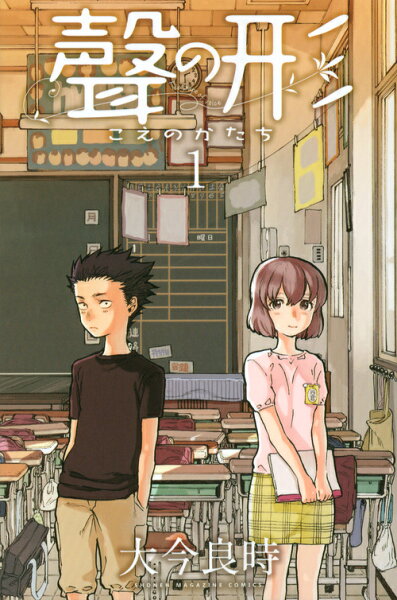
A Silent Voice
Yu's review of A Silent Voice — Shoya Ishida bullied a deaf girl named Shoko Nishimiya in elementary school; years later, carrying that weight, he finds her again; what follows is not a redemption story but something more honest than that.

Romance / Drama
A Devil and Her Love Song
Yu's review of A Devil and Her Love Song — Maria Kawai was expelled from an elite religious academy for speaking the truth too directly; at her new school, her brutal honesty and inability to perform social niceness makes her an instant target; two boys choose to see past what everyone else reacts to.
Romance / Drama
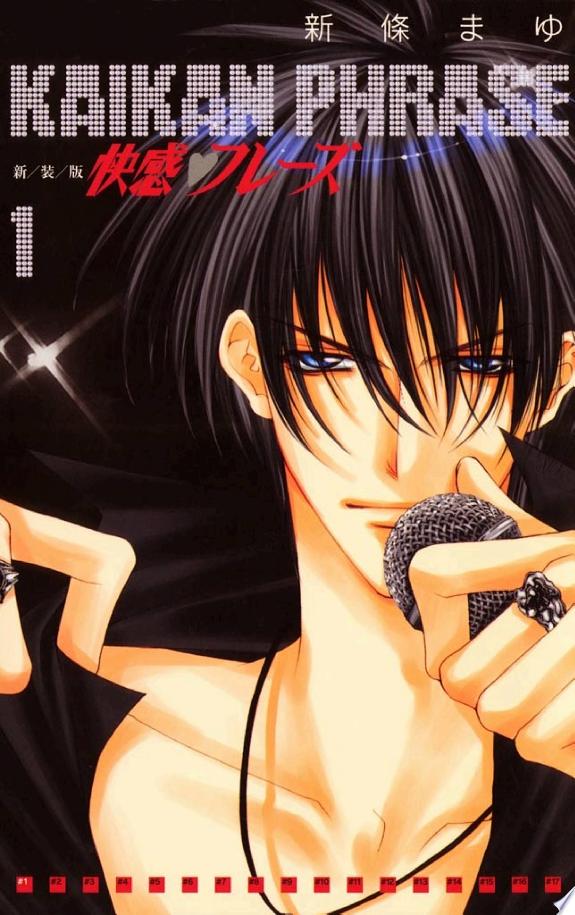
Sensual Phrase
A review of Mayu Shinjo's Sensual Phrase — 18 volumes in Shōjo Comic. Aspiring lyricist Aine Yukimura's words catch the attention of rock star Sakuya; they become entangled in a passionate and complicated relationship against the backdrop of 1990s J-rock. VIZ Media's English edition is complete.
Romance / Drama
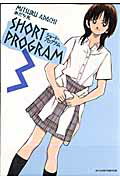
Short Program
Short Program collects Mitsuru Adachi's short story manga — brief, precise studies of the moment when two people almost connect, or do connect, or miss each other by a margin that changes everything.
Romance / Music
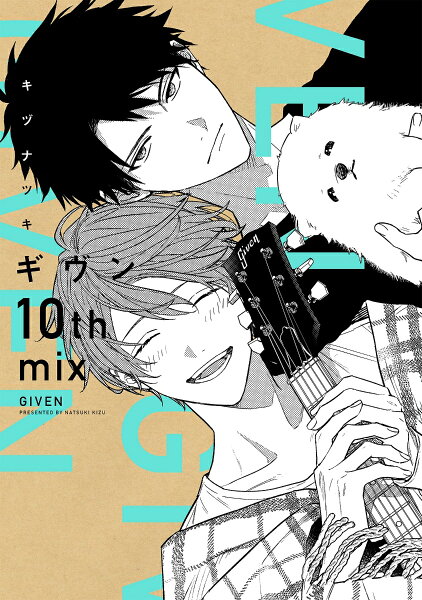
Given
A review of Given, the BL music manga about a guitarist who falls for a beautiful boy with an extraordinary voice and a devastating past.
Written by
Yu
Manga Enthusiast from Japan
I grew up in Japan and manga literally saved me during a tough time in elementary school. My English isn't perfect, but my love for manga is real — and I want to share it with you.
Disclosure: This post contains affiliate links. As an Amazon Associate, I earn from qualifying purchases at no extra cost to you.