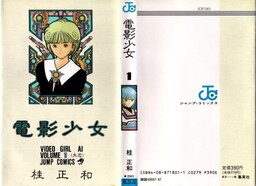
Video Girl Ai Review: A Heartbroken Boy Rents a Video and the Girl in It Steps Out of His Television
by Masakazu Katsura
Read the first volume. If it doesn't hook you, put it down. It'll hook you.
Buy Video Girl Ai on Amazon →*Affiliate link — I earn a small commission at no extra cost to you.
Quick Take
- A completed supernatural romance from the early 1990s that handles its premise with more emotional sincerity than the VCR-girl setup suggests
- The damaged-Ai premise — her VCR malfunction created a version of her that can develop real feelings — gives the romance genuine stakes that the intended version would not have
- 15 volumes complete in English; a classic of 1990s shojo-influenced Shonen Jump romance
Who Is This Manga For?
- Readers interested in classic 1990s manga romance with supernatural elements
- Anyone who wants completed supernatural romance with genuine emotional depth
- Fans of Katsura's art style (also known for I"s and DNA²)
- Readers who want to experience a formative manga of the romance genre
Content Warnings & Age Rating
Age Rating: M (Mature) Content Warnings: Supernatural romance; mature romantic content; emotional complexity around love triangle; 1990s sensibility about gender and relationships
M rating — some content reflects the era's conventions and exceeds contemporary Teen standards.
Yu's Rating
| Category | Score |
|---|---|
| Story Depth | ★★★★☆ |
| Art Style | ★★★★★ |
| Character Development | ★★★★☆ |
| Accessibility for Non-Japanese Readers | ★★★★☆ |
| Reread Value | ★★★★☆ |
Story Overview
Yota Moteuchi is a high school boy who loves Moemi, who loves his best friend Takashi. His heartbreak is complete and sincere. He finds a video shop that shouldn't exist, rents a tape with a girl on the cover who looks like she's reaching for him, and brings it home.
Ai Amano steps out of his television. She was meant to be a comforting presence for heartbroken boys — warm, supportive, encouraging. His worn VCR has damaged her programming. She is irritable, clumsy, and developing something that looks unmistakably like genuine feeling for Yota, which she wasn't designed to have.
The series follows Yota's entanglement with the real love triangle — his feelings for Moemi, Moemi's feelings for Takashi, Takashi's situation — while Ai exists in his apartment, exceeding her programming, and becoming someone who cannot be returned to a tape.
Characters
Yota Moteuchi — A protagonist whose sincerity about his heartbreak is the series' starting quality — he is genuinely hurt, genuinely good-natured, and genuinely unprepared for Ai.
Ai Amano — The series' most interesting character — a being who was supposed to be comfortable support and became instead someone with genuine frustration, affection, and the specific tragedy of feelings she was never meant to have.
The love triangle — Moemi and Takashi whose situation creates the background against which Yota's actual story plays out.
Art Style
Katsura's art is among the most polished in early 1990s manga — the character designs, particularly Ai's, are detailed and expressive with a style that influenced a generation of manga artists. The emotional scenes are drawn with genuine visual sensitivity.
Cultural Context
Video Girl Ai ran in Weekly Shonen Jump from 1989-1992 and was part of a moment when Shonen Jump was willing to publish romance with emotional depth and maturity. Katsura's influence on subsequent manga art — particularly in how to draw compelling female characters with genuine interiority — is measurable across the decade that followed.
What I Love About It
Ai wasn't supposed to feel anything real. She was damaged into feeling. The series treats this not as a malfunction to be corrected but as the most interesting thing about her — that an attempt at artificial comfort, broken, became something that could genuinely hurt and genuinely love.
What English-Speaking Fans Say
Western readers who have discovered Video Girl Ai describe it as a pleasant surprise — the supernatural premise is handled with more emotional seriousness than expected, Ai is a more complex character than the cover suggests, and Katsura's art holds up as exceptional by any era's standard. Frequently cited as underappreciated in the classic manga canon.
Memorable Scene ⚠️ Spoiler Warning
The sequence where Ai directly confronts what she is — what she was meant to be, what she has become, and what that means for everything she has been feeling — and the specific way Yota responds to that confrontation, is the series' most honest convergence of its supernatural premise and its emotional story.
Similar Manga
- Chobits — Artificial girl romance with similar premise about whether artificial feelings are real
- I"s — Katsura's later work; pure romance without supernatural element
- Ah! My Goddess — Supernatural romance with divine being adjusting to human circumstances
- Absolute Boyfriend — Similar robot/artificial lover premise, different handling
Reading Order / Where to Start
Volume 1 — Yota's heartbreak and Ai's emergence from the television are established in the first volume.
Official English Translation Status
VIZ Media has published the complete English series. All 15 volumes available.
Pros & Cons
Pros
- Ai's damaged-programming premise gives the romance genuine stakes
- Katsura's art is exceptional and holds up decades later
- Complete — the full emotional arc is available
- Ai's characterization as more than her intended function is thoughtfully developed
Cons
- 1990s sensibility in some content and gender dynamics
- Love triangle structure can frustrate readers wanting direct romance
- M rating content may not suit all readers
Format Comparison
| Format | Notes |
|---|---|
| Individual Volumes | VIZ Media; complete series available |
| Digital | Limited availability |
Where to Buy
Read the first volume. If it doesn't hook you, put it down. It'll hook you.
This post contains affiliate links. If you purchase through these links, I may earn a small commission at no extra cost to you. As an Amazon Associate, I earn from qualifying purchases.
*Affiliate link — I earn a small commission at no extra cost to you.
More Manga You Might Like
Romance / Fantasy
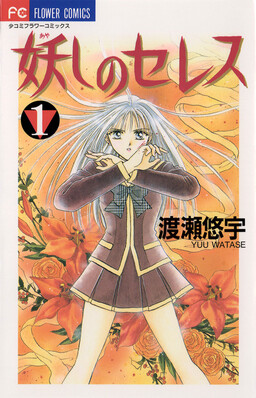
Ceres: Celestial Legend
Yu's review of Ceres: Celestial Legend — on her 16th birthday Aya Mikage learns she is the reincarnation of the celestial maiden Ceres, and that her own family tests and kills its children to stop Ceres's revenge. Yuu Watase's darkest, most adult shojo.
Romance / Drama
Short Program
Short Program collects Mitsuru Adachi's short story manga — brief, precise studies of the moment when two people almost connect, or do connect, or miss each other by a margin that changes everything.
Romance / Drama
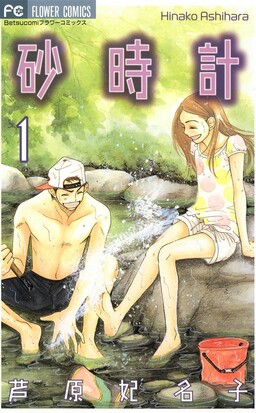
Sand Chronicles
Yu's review of Sand Chronicles — Ann Uekusa moves from Tokyo to rural Shimane after her parents' separation; her mother's death by suicide shapes everything that follows; the series follows Ann from childhood through adulthood with unflinching attention to grief, depression, and the slow work of becoming a whole person.
Romance / Drama
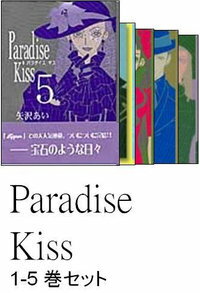
Paradise Kiss
Yu's review of Paradise Kiss — Yukari, a high-achieving student who has never questioned her path, is spotted by fashion students and asked to model their graduation collection; George, the designer, becomes the first person who sees who she might actually be.
Romance / Drama
Mars
Yu's review of Mars — Kira Aso is a quiet art student who has withdrawn from people; Rei Kashino is a reckless motorcycle racer whose fearlessness on the track conceals what he's afraid of; they begin a relationship that requires both of them to confront what they've been avoiding.
Romance
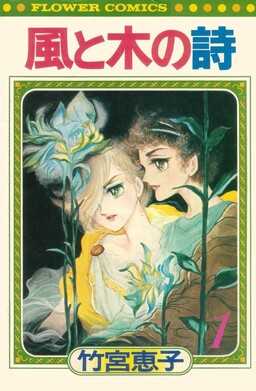
Kaze to Ki no Uta
Yu's review of Kaze to Ki no Uta — set in a 19th century French boarding school, the relationship between Serge, a half-Japanese student with a traumatic past, and Gilbert, a beautiful and sexually promiscuous boy whose behavior conceals something devastating; the manga that essentially created the Boys' Love genre, published between 1976 and 1984.
Written by
Yu
Manga Enthusiast from Japan
I grew up in Japan and manga literally saved me during a tough time in elementary school. My English isn't perfect, but my love for manga is real — and I want to share it with you.
Disclosure: This post contains affiliate links. As an Amazon Associate, I earn from qualifying purchases at no extra cost to you.