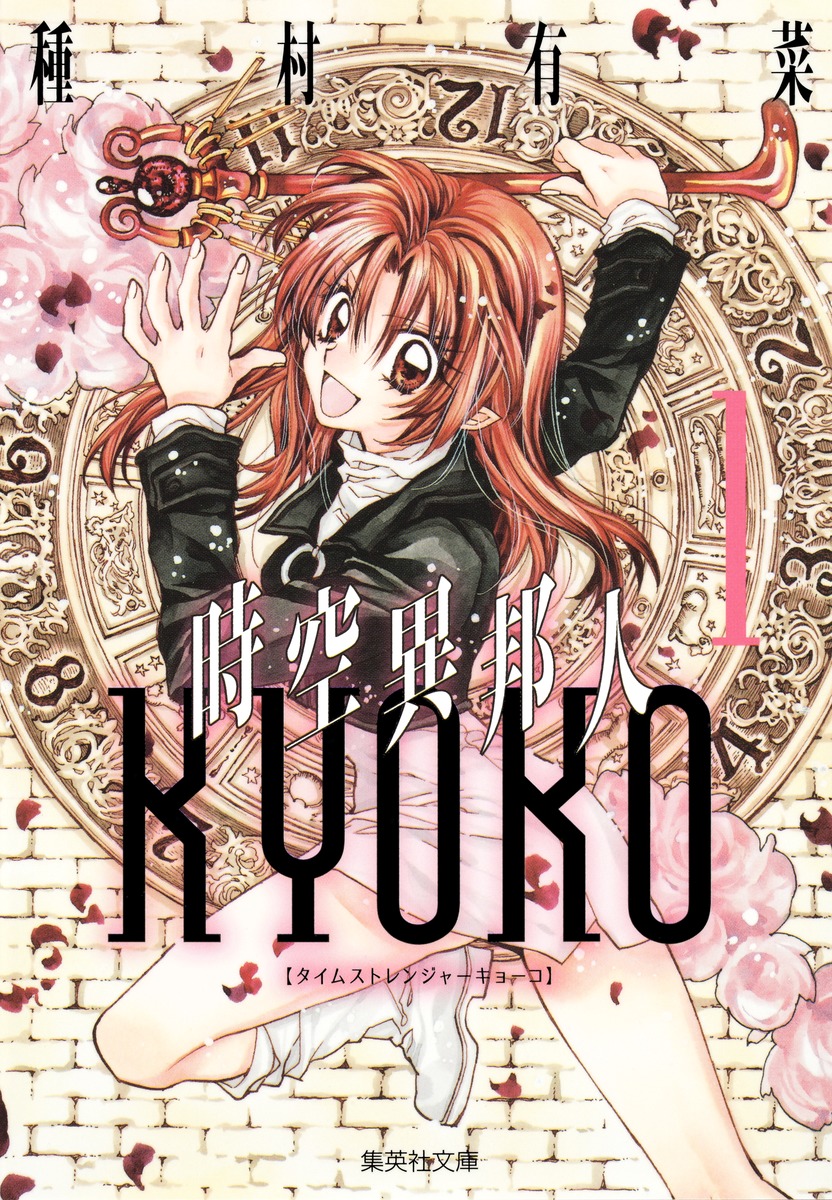
Time Stranger Kyoko Review: Arina Tanemura's Compact 30th-Century Princess Story With a God-Reveal Ending
by Arina Tanemura
Read the first volume. If it doesn't hook you, put it down. It'll hook you.
Buy Time Stranger Kyoko on Amazon →*Affiliate link — I earn a small commission at no extra cost to you.
I came to Time Stranger Kyoko the way most Tanemura readers my age did: late, after Full Moon o Sagashite and Gentlemen's Alliance Cross had already taught me what to expect from her. I was looking for a shorter Tanemura to fill an afternoon. I found one — and it turned out to be sharper than its premise had any right to be.
I'm Yu, and this is the Tanemura I recommend to friends who want to try her work but have been put off by Full Moon's length and emotional weight.
Quick Take
- Arina Tanemura's Time Stranger Kyoko (タイムストレンジャー京子) ran in Shueisha's Ribon from September 2000 to September 2001 — three tankōbon volumes.
- VIZ Media released the complete English edition between July 2008 and January 2009. The series is complete in English.
- Rated T (Teen) — fantasy violence, demon character, themes of comatose family member and self-sacrifice; nothing explicit.
Story Overview
The year is the 30th century. Earth has a unified royal family. The crown princess, Kyoko Suomi, has spent her entire life refusing the throne. Her father, the king, gives her an offer: he will release her from royal obligation forever if she can find a way to wake her twin sister Ui, who has been in a coma since birth.
The way to wake Ui is to find twelve people known as "Strangers" — humans with hidden telepathic gifts, each linked to one of twelve holy stones. The twelve stones, gathered together, can operate an enormous mechanical clock buried beneath the city; the clock, properly run, will wake Ui.
Kyoko, the manga reveals quickly, is herself the first Stranger. From there she works through the cast: classmates, strangers, two royal guardians named Sakataki and Hizuki who are assigned to protect her. She develops feelings for Sakataki. The series's narrative engine is the search for the remaining Strangers; its emotional engine is the slow reveal of who Hizuki actually is and what waking Ui will actually cost.
The third volume closes the loop. Hizuki is the twelfth Stranger and a demon. Kyoko, at the awakening, discovers she is not a princess by inheritance but the child of Chronos, god of time, raised in human form. The series ends with her choices about both her sister and her own divine nature.
Characters
Kyoko Suomi — Tanemura's protagonist: cheerful, defiant, deeply committed to her sister in a way the series doesn't ask her to perform. Her refusal of the throne reads less as adolescent rebellion than as a person who has correctly assessed what royal life would cost her.
Ui — Kyoko's twin sister. Comatose for the whole manga until the climax. The relationship between them is the volume's quiet center.
Sakataki — Royal guardian, Kyoko's romantic interest for most of the run. A more conventional Tanemura love interest; serious, devoted, slightly stiff.
Hizuki — Royal guardian, classmate, cold to a degree that the series eventually explains. His arc as the twelfth Stranger — and the demon nature underneath it — is the series' most interesting late move. Tanemura draws him as the more visually complicated of the two leads, which is the hint planted across the whole run.
The twelve Strangers — A varied cast of human telepaths whose holy stones are needed to operate the clock. The book gathers them across three volumes; the fact that twelve is a lot for three volumes is the series's structural challenge and its most consistent weakness.
What I Love About It
What I love about Time Stranger Kyoko is that Tanemura, in three volumes, refuses to rush the third-act reveal.
The pieces are arranged early. The Hizuki problem — the fact that this character has more interiority than a normal romantic foil should — is visible by the end of volume 1. Kyoko's odd connection to her own role is similarly seeded. But Tanemura doesn't yank the curtain. She lets the series do the conventional princess-and-quest beats faithfully, lets the romance with Sakataki develop, lets the reader's expectations about which boy is the love interest settle. And then she pivots, in the last quarter of volume 3, with full conviction.
The reveal that Kyoko is the daughter of Chronos — and that Hizuki, the demon, has been the actual axis of the story — is exactly the kind of "the structure was always this" twist that Tanemura specializes in. Three volumes is the right length for it. Any longer and the misdirection would feel cruel; any shorter and it wouldn't land.
It is not Tanemura's deepest work. It is, I think, her most economical.
Memorable Scene ⚠️ Spoiler Warning
Hizuki's reveal as the twelfth Stranger and as a demon. Tanemura draws the unveiling across a full two-page spread, the kind of single image she uses in all her major works. What makes it specifically Tanemura is that the spread is not played for romantic spectacle: the moment is genuinely upsetting for Kyoko. The boy she had been ignoring as a romantic possibility, who has been with her the whole time, has been hiding what he is — and what he is has implications for her relationship with her sister that she has not yet processed.
The full impact of the page lands in the next chapter, when Kyoko has to make a choice about Ui that the demon-Stranger reveal has reshaped. Tanemura earns the choice without overworking it.
Pros & Cons
Pros:
- Three volumes, complete, English-licensed in full — a single weekend Tanemura read.
- The art is consistent Tanemura quality: intricate costumes, full-page spreads, expressive faces.
- The structural twist works; the series is more thoughtful than its princess premise suggests.
Cons:
- Twelve Strangers in three volumes is too many; several feel like sketches.
- Some 2000s Ribon conventions — chibi reaction faces, screen-tone overload — read dated.
- Less emotional weight than Full Moon o Sagashite; readers expecting that intensity will find this lighter.
Is Time Stranger Kyoko Worth Reading?
Yes — if you want a short, complete Tanemura read or you're testing whether her work suits you before committing to her longer series. Skip if you specifically want Tanemura at her most emotionally devastating; this is her cleanest construction, not her deepest one.
Who Is This Manga For?
- Full Moon o Sagashite readers who haven't gone back to Tanemura's earlier short works.
- Ribon-era shoujo nostalgists.
- Sailor Moon / Cardcaptor Sakura readers who want a princess-quest cousin.
- Anyone who likes a 3-volume manga that knows exactly what it is.
Official English Translation Status
VIZ Media published all three English volumes of Time Stranger Kyoko between July 2008 and January 2009. The series is complete in English. Print volumes are out of print but used copies and digital editions through major retailers remain accessible.
Where to Buy
VIZ's three English volumes are the only English edition. Used copies are widely available; digital editions surface through major retailers periodically.
Browse Time Stranger Kyoko on Amazon →
This post contains affiliate links. If you purchase through these links, I may earn a small commission at no extra cost to you. As an Amazon Associate, I earn from qualifying purchases.
*Affiliate link — I earn a small commission at no extra cost to you.
More Manga You Might Like
Romance
Hibi Chouchou: Everyday Butterflies
Yu's review of Hibi Chouchou: Everyday Butterflies — Suiren Shibazeki is so beautiful and quiet that people find her unapproachable; Kawasumi is so internally focused that he barely notices others; they notice each other, and what follows is one of the most unhurried and genuinely tender slow-burn romances in shojo manga.
Romance / Fantasy
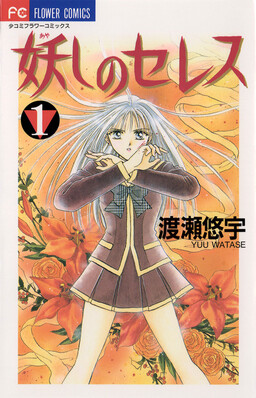
Ceres: Celestial Legend
Yu's review of Ceres: Celestial Legend — on her 16th birthday Aya Mikage learns she is the reincarnation of the celestial maiden Ceres, and that her own family tests and kills its children to stop Ceres's revenge. Yuu Watase's darkest, most adult shojo.
Romance / Fantasy
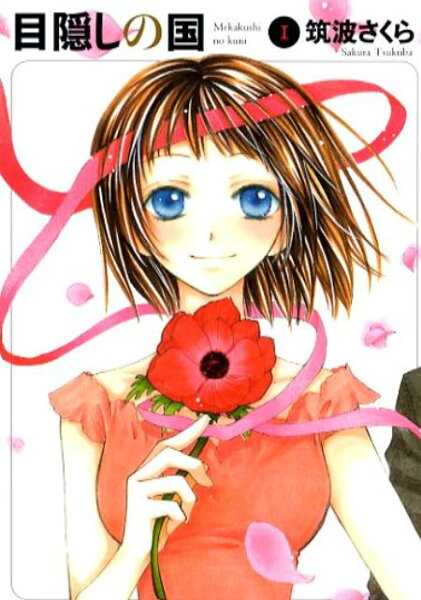
Land of the Blindfolded
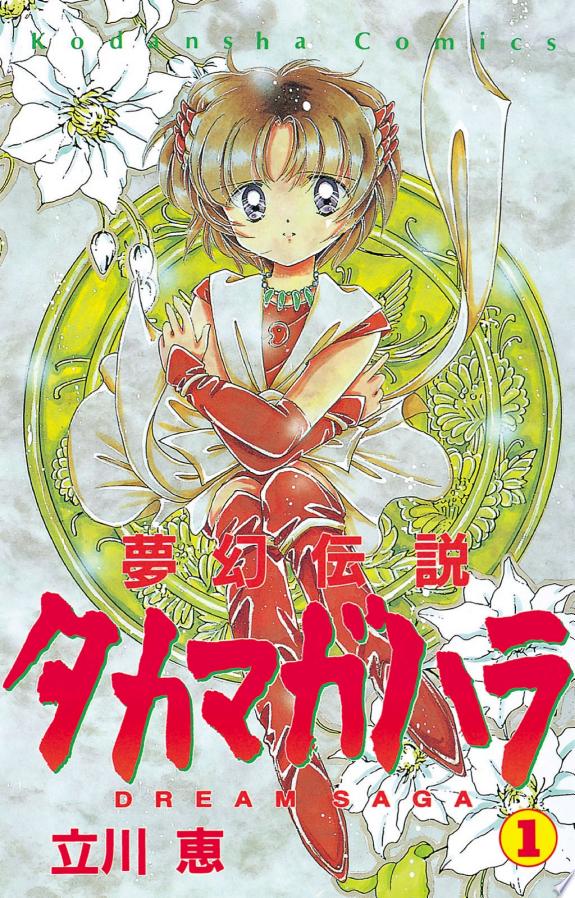
Yu's review of Land of the Blindfolded — Kanade Outsuki can see glimpses of the future when she touches people; she meets Arou Nougami, who can see the past; their complementary abilities and developing feelings for each other create a quiet, thoughtful romance across 9 volumes.
Romance / Fantasy
Phantom Dream
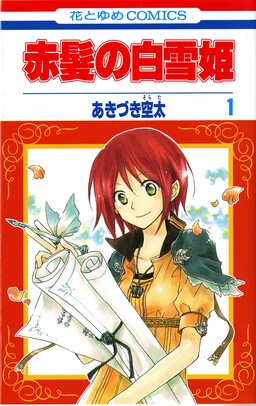
Yu's review of Phantom Dream — Tamaki Otoya is the last in a line of spirit summoners tasked with exorcising evil; his childhood friend Asahi loves him and fears the duty that is consuming him; the series is Natsuki Takaya's darker early work, full of sacrifice and the cost of supernatural obligation.
Romance / Fantasy
Snow White with the Red Hair
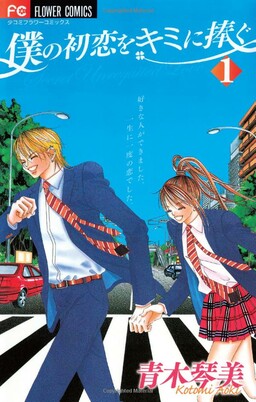
Yu's review of Snow White with the Red Hair — Shirayuki is an herbalist with distinctive red hair who flees her country when its prince demands her as his concubine; she crosses into the neighboring kingdom of Clarines and meets Prince Zen, who helps her without expecting anything in return; the series follows her life in Clarines as she trains to become a court herbalist while her relationship with Zen develops.
Romance
Kare First Love
Yu's review of Kare First Love — Karin Karino believes she is too plain to be seen — until Kiriya Aoi, the most popular boy at a nearby school, begins pursuing her with genuine interest; a shojo romance about a girl who has to learn to believe she's worth being chosen.
Written by
Yu
Manga Enthusiast from Japan
I grew up in Japan and manga literally saved me during a tough time in elementary school. My English isn't perfect, but my love for manga is real — and I want to share it with you.
Disclosure: This post contains affiliate links. As an Amazon Associate, I earn from qualifying purchases at no extra cost to you.