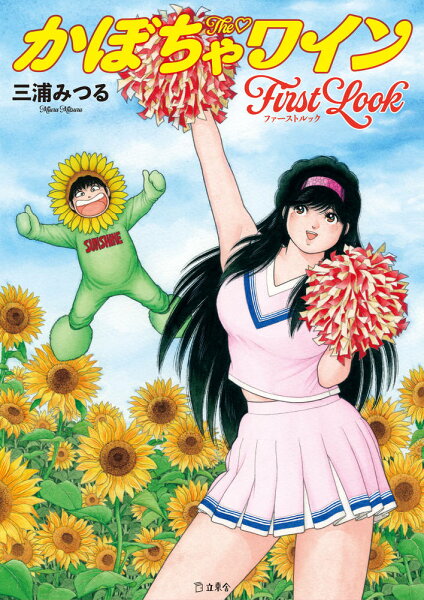
The Pumpkin Wine Review: The School Comedy Where Love Was a Disaster Every Week
by Mitsuru Miura
Read the first volume. If it doesn't hook you, put it down. It'll hook you.
Buy The Pumpkin Wine on Amazon →*Affiliate link — I earn a small commission at no extra cost to you.
What if the girl who could carry you over her shoulder was the one you most wanted to impress?
Quick Take
- Mitsuru Miura's height-gap romance comedy — the physical contrast is the joke and the affection underneath it is the heart
- Ran in Weekly Shonen Champion through the early 1980s, a hit that established the comedic romance template for Japanese high school manga
- 17 volumes of consistently funny and genuinely sweet material
Who Is This Manga For?
- Romance comedy fans who want a classic of the genre
- Readers of 1980s shonen manga interested in how romantic comedy developed
- Anyone who appreciates physical comedy in romance settings
- Fans of mismatched-height romance — this established the template
Content Warnings & Age Rating
Age Rating: T (Teen) Content Warnings: Comedy romance. School setting. Light physical comedy. No concerning content.
Appropriate for all readers.
Yu's Rating
| Category | Score |
|---|---|
| Story Depth | ★★★☆☆ |
| Art Style | ★★★★☆ |
| Character Development | ★★★★☆ |
| Accessibility for Non-Japanese Readers | ★★★★☆ |
| Reread Value | ★★★★☆ |
Story Overview
Eiji Mito is an ordinary high school boy who falls for Natsu — who is a foot taller than him, extremely athletic, and beloved by everyone in school. The romance is built on Eiji's persistence and Natsu's mixture of exasperation and genuine affection.
The comedy comes from the height gap in constant interaction with normal romantic situations: a hug that involves a significant vertical adjustment, a chase scene where Natsu effortlessly outpaces everyone else, a tender moment interrupted by the physical reality of the size difference. Miura finds new variations consistently across 17 volumes.
What sustains the series is that the relationship is genuine. Eiji is not just a vehicle for comedy; he is committed, warm, and — the series gradually reveals — exactly what Natsu needs. The height difference is the premise; the actual subject is the specific kind of confidence it takes to pursue someone whose apparent advantages are so visible.
Characters
Eiji Mito: A protagonist whose defining characteristic is not giving up — not out of stubbornness but out of genuine certainty that Natsu is worth whatever embarrassment his pursuit involves. His confidence is the series' engine.
Natsu: Tall, strong, and genuinely loveable — the series makes her appealing as a person so that the comedy doesn't come at her expense. She is someone worth pursuing.
Art Style
Miura's art handles the height contrast with consistent visual comedy — the composition of panels always aware of the vertical difference between the characters. The physical comedy sequences are well-timed and clearly drawn.
Cultural Context
The Pumpkin Wine ran in Weekly Shonen Champion from 1982 to 1984. It was one of the most popular romance manga of its era and the anime adaptation contributed to the genre's mainstream visibility. The height-gap romance concept influenced subsequent manga romance extensively.
What I Love About It
I love that Eiji is never embarrassed into giving up.
The series puts him in consistently humiliating situations — situations designed by the height contrast to make him look small and Natsu look overwhelmingly capable. He consistently responds by trying again. Not because he lacks shame, but because he has made a decision that shame isn't the right criterion. This is actually a serious position about love, delivered through comedy.
What English-Speaking Fans Say
Not known in English-speaking markets. Among readers of classic Japanese romance manga who discover it through historical surveys of the genre, The Pumpkin Wine is recognized as an important and influential work — the height-gap romance template that later manga built on.
Memorable Scene ⚠️ Spoiler Warning
A scene where Natsu, who has been maintaining exasperation at Eiji's persistent pursuit, realizes for the first time that she has been waiting for him to arrive. The scene is brief, not dramatized, and entirely consistent with the comic register — which is how it manages to be genuinely moving.
Similar Manga
- Lovely Complex: Later height-gap romance — more famous, directly influenced by this
- My Love Story: Unusual physical protagonist in a romance — similar spirit
- Touch: Adachi's contemporary — romance with sports, different tone
Reading Order / Where to Start
Volume 1. The romance develops over the full run.
Official English Translation Status
The Pumpkin Wine has no official English translation.
Pros & Cons
Pros
- One of the foundational height-gap romance manga
- Consistently funny across 17 volumes
- Eiji is a genuinely good protagonist
- Complete
Cons
- No English translation
- The comedy formula is consistent — may feel repetitive in long stretches
- The premise's novelty diminishes for readers familiar with later works in the tradition
Format Comparison
| Format | Notes |
|---|---|
| Physical | Japanese editions available |
| Digital | Available in Japanese |
| Omnibus | Collected editions available |
Where to Buy
No English release yet. That just means you find it before everyone else does.
*Affiliate link — I earn a small commission at no extra cost to you.
More Manga You Might Like
Romance / Comedy
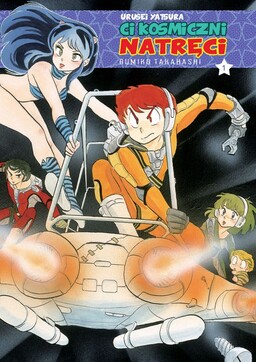
Urusei Yatsura
Yu's review of Urusei Yatsura — Earth is invaded by aliens; a random lottery selects Ataru Moroboshi to compete against the alien princess Lum in a game of tag; he wins by grabbing her horns; his victory declaration is mistaken for a marriage proposal; Lum moves into his house; Ataru continues to chase every other girl he sees while Lum insists on being his wife.

Romance / Comedy
Toradora!
Yu's review of Toradora! — a delinquent-looking boy and a tiny, terrifying girl make a deal to help each other confess to the other's best friend, and discover they had the wrong target all along.

Sports / Romance
Jajabako Groomin UP!
Jajabako Groomin UP! follows Yuu Kasugano, a city boy who comes to work at a horse ranch and falls into the world of horse grooming — and into the orbit of the ranch owner's daughter, a tomboyish girl named Chizuru whose relationship with horses is more natural than her relationship with people.
Romance / Comedy
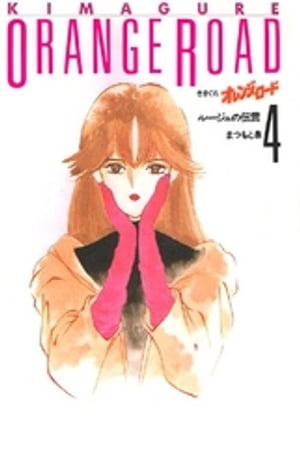
Kimagure Orange Road
Kimagure Orange Road follows Kyosuke Kasuga, a boy with hidden psychic powers who is caught between two girls — the cool, mysterious Madoka he loves and the devoted, energetic Hikaru who loves him — in one of the defining romantic comedies of 1980s manga.

Romance / Comedy
Stop!! Hibari-kun!
Stop!! Hibari-kun! follows Kosaku Umetsu, who moves in with his parents' friends after being orphaned — a yakuza-connected family with four daughters, except that the eldest, Hibari, is biologically male and presents as female, a fact that Kosaku cannot get past and cannot stop thinking about.

Romance / Comedy
Yuukan Club
Yuukan Club follows six ultra-wealthy high school students who form the Leisure Club and stumble into mysteries, adventures, and romantic entanglements while maintaining an existence so extravagant it functions as its own genre of comedy.
Written by
Yu
Manga Enthusiast from Japan
I grew up in Japan and manga literally saved me during a tough time in elementary school. My English isn't perfect, but my love for manga is real — and I want to share it with you.