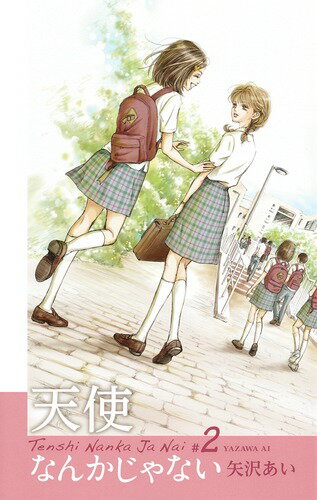
Tenshi Nanka Janai Review: The Early Ai Yazawa Manga That Proved She Was Always Going to Make Something Extraordinary
by Ai Yazawa
Read the first volume. If it doesn't hook you, put it down. It'll hook you.
Buy Tenshi Nanka Ja Nai on Amazon →*Affiliate link — I earn a small commission at no extra cost to you.
She wasn't an angel. Neither was he. That was the beginning of something real.
Quick Take
- Ai Yazawa's 9-volume early Ribon manga — before NANA, before Paradise Kiss, the student council romance that showed what she was going to become
- Midori and Sudo: two people who are not what the other expects and are better for it
- A Ribon romance that transcends the Ribon formula — the Yazawa sensibility is already fully present
Who Is This Manga For?
- Ai Yazawa fans who want the full span of her work including the early years
- Classic Ribon manga readers who want the magazine's late 1980s/early 1990s period
- Romance manga readers who want genuine character development over formula
- Readers who want shojo manga that takes its characters' feelings seriously without condescending to them
Content Warnings & Age Rating
Age Rating: T (Teen) Content Warnings: School romance, high school drama, friendship and relationship themes. Nothing concerning.
Suitable for most readers.
Yu's Rating
| Category | Score |
|---|---|
| Story Depth | ★★★★☆ |
| Art Style | ★★★★★ |
| Character Development | ★★★★☆ |
| Accessibility for Non-Japanese Readers | ★★★★☆ |
| Reread Value | ★★★★☆ |
Story Overview
Midori is a new first-year student at a high school that has just become co-ed for the first time. She joins the student council, which brings her into proximity with Sudo, the council president — confident, popular, and initially resistant to taking Midori seriously.
The series follows the development of their relationship alongside the student council's activities and the friendships that form around them. It's structured as a school romance, which it is — but Yazawa's treatment of the formula is already noticeably different from how Ribon typically handled it.
The characters make mistakes. They hurt each other and have to repair what's broken. The feelings are treated with the seriousness they deserve rather than as dramatic decoration. Midori has an inner life beyond her feelings for Sudo; Sudo has a history that informs who he is. These are people in a romance, not romantic archetypes having experiences.
Characters
Midori: A protagonist with the warmth and directness that would characterize Yazawa's protagonists in later, larger works — already fully realized here.
Sudo: A male lead who could have been the generic cool-guy romantic interest and instead has genuine complications — his confidence conceals something the series takes time to reveal.
The friend group: The ensemble around Midori and Sudo is given real development — the friendships matter, not just the central romance.
Art Style
Yazawa's art in this early period is already recognizable as hers — the distinctive character design, the attention to fashion and personal style, the ability to convey emotional states through posture and expression rather than just face. The visual language that would make NANA extraordinary is present here in earlier form.
Cultural Context
Tenshi Nanka Ja Nai ran in Ribon from 1987 to 1994, establishing Yazawa as a Ribon creator before she moved to Shojo Comic for Paradise Kiss and then NANA. The series appeared as she was developing the sensibility that would define her later work.
Reading it now, knowing what she went on to make, is a specific kind of interesting — the seeds of NANA are visible in how this series handles its characters' feelings and mistakes.
What I Love About It
I love that the characters are allowed to mess things up.
Shojo romance often protects its characters from genuine error — mistakes are misunderstandings, and the right feeling is always good enough. Yazawa lets Midori and Sudo actually damage what they have, and then asks them to repair it. That willingness is what makes the relationship feel real rather than inevitable.
What English-Speaking Fans Say
Known among Ai Yazawa fans who have sought out her complete work. Recognized as a formative work in which her distinctive sensibility is already present and as more sophisticated than the typical Ribon romance of the same period. Often recommended as essential reading for understanding what NANA's emotional register emerged from.
Memorable Scene ⚠️ Spoiler Warning
A fight between Midori and Sudo that doesn't resolve quickly — that leaves both of them in a damaged state and requires real effort rather than romantic convenience to repair. The scene is where the series shows what distinguishes it from the formula: consequences are real, repair requires actual work.
Similar Manga
| Title | Its Approach | How Tenshi Nanka Ja Nai Differs |
|---|---|---|
| NANA | Two women named Nana whose friendship defines the story, with romance as complication | Tenshi is earlier and smaller — the seeds of NANA's emotional approach are visible |
| Paradise Kiss | Fashion world romance with unconventional male lead | Same creator's sensibility in a different setting — Tenshi is more conventionally structured |
| Marmalade Boy | Ribon school romance with elaborate family situation | Tenshi has more psychological honesty — the Yazawa sensibility versus the Yoshizumi formula |
Reading Order / Where to Start
Volume 1. The series develops continuously and reading in order matters.
Official English Translation Status
Tenshi Nanka Ja Nai has no official English translation.
Pros & Cons
Pros
- The early Ai Yazawa work that shows her sensibility already formed
- Character development is genuine rather than gestural
- Complete at 9 volumes — a satisfying complete experience
- The art is already recognizably hers
Cons
- No English translation
- The school romance formula may not hold readers who want the scale of NANA
- Earlier work — less fully developed than her later major titles
- 9 volumes establishes a world that her later work expanded much further
Is Tenshi Nanka Ja Nai Worth Reading?
For Ai Yazawa fans and readers who want to see where NANA's emotional honesty came from, yes — this is essential context and also a very good romance in its own right. For readers who want NANA specifically, this is smaller and earlier. But for what it is — a 9-volume school romance with genuine psychological honesty — it exceeds its formula.
Format Comparison
| Format | Notes |
|---|---|
| Physical | Japanese editions available |
| Digital | Available in Japanese |
| Omnibus | Collected editions available |
Where to Buy
No English release yet. That just means you find it before everyone else does.
*Affiliate link — I earn a small commission at no extra cost to you.
More Manga You Might Like

Romance / Drama
Fruits Basket
Yu's review of Fruits Basket — a girl who has lost everything moves in with a family cursed to transform into animals of the Chinese zodiac, and slowly melts the ice that generations of abuse built around their hearts.
Romance / Drama
Bara no Tame ni
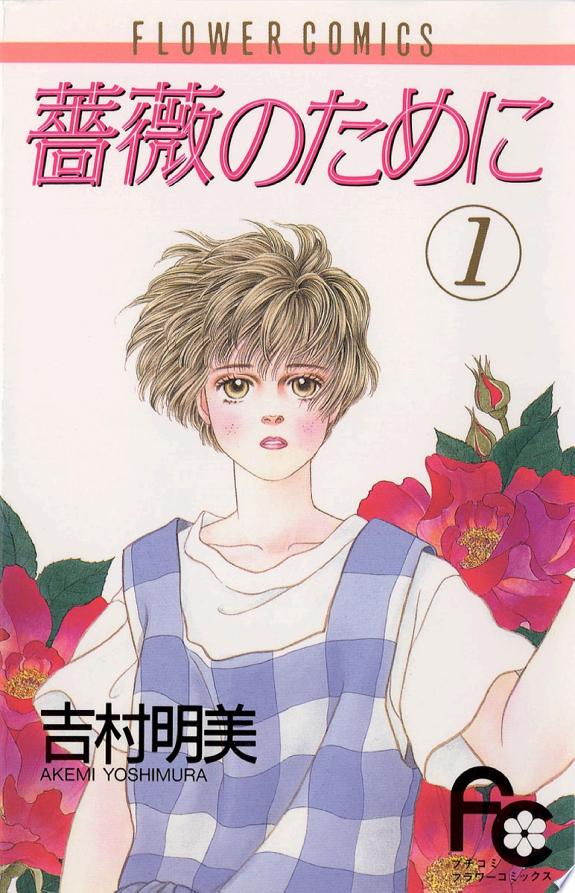
Bara no Tame ni follows Yuri Makurano, a plain, orphaned girl who learns her actress 'mother' is alive — along with three glamorous half-siblings — and a buried secret about her real parentage. An award-winning Shogakukan shojo drama by Akemi Yoshimura.
Romance / Historical
Mari to Shingo
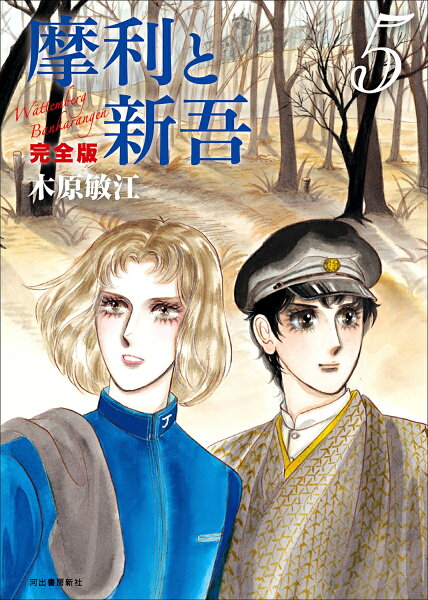
Mari to Shingo follows two young men at an elite Taisho-era Japanese school — the aristocratic Mari and the street-smart Shingo — whose complicated bond defines the series and refuses to be categorized by the vocabulary available to either character.
Romance / Comedy
Yuukan Club
Yuukan Club follows six ultra-wealthy high school students who form the Leisure Club and stumble into mysteries, adventures, and romantic entanglements while maintaining an existence so extravagant it functions as its own genre of comedy.
Romance / Drama
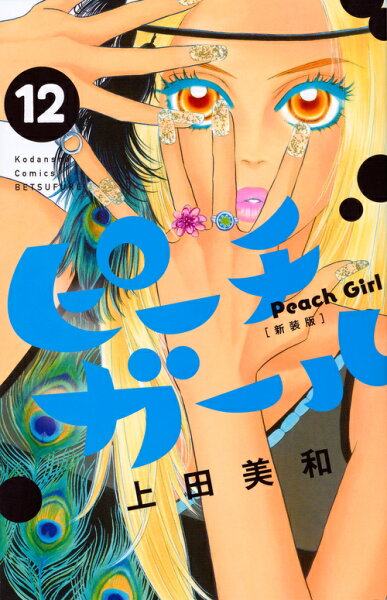
Peach Girl
Yu's review of Peach Girl — Momo Adachi's tan skin from swimming makes others assume she's a gyaru; her best friend Sae is actually her manipulative enemy; she is caught between two boys while Sae engineers situations against her.
Romance / Comedy
Ouran High School Host Club
Yu's review of Ouran High School Host Club — a scholarship student at an elite school accidentally breaks a vase and must join the Host Club to pay off the debt, in a manga that satirizes shojo tropes while being genuinely charming.
Written by
Yu
Manga Enthusiast from Japan
I grew up in Japan and manga literally saved me during a tough time in elementary school. My English isn't perfect, but my love for manga is real — and I want to share it with you.