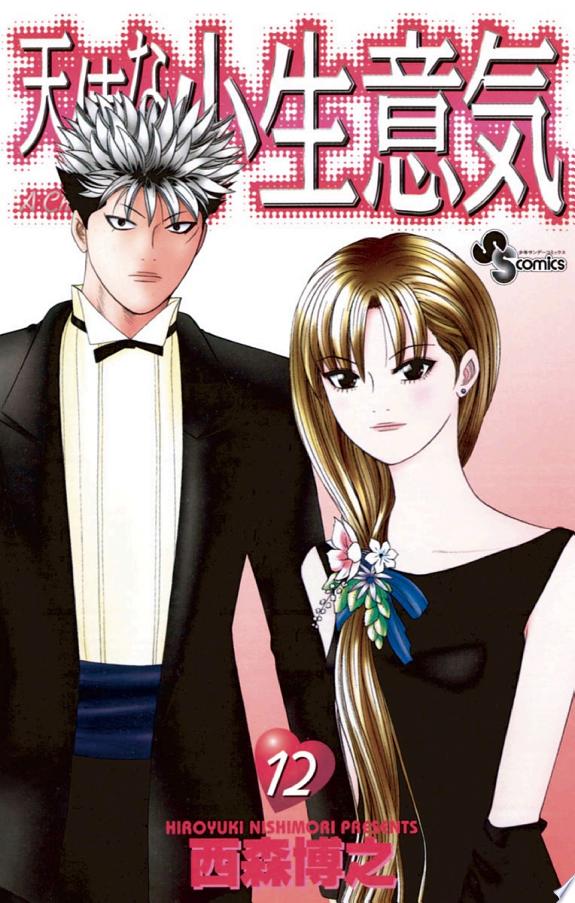
Tenshi Na Konamaiki Review: She Was Turned Into a Girl by a Genie, and Has Never Once Let It Slow Her Down
by Hiroshi Aro
Read the first volume. If it doesn't hook you, put it down. It'll hook you.
Buy Tenshi Na Konamaiki on Amazon →*Affiliate link — I earn a small commission at no extra cost to you.
Quick Take
- Megumi is one of the most memorable gender-swap protagonists in manga.
- Published in Shonen Sunday but reads like action-comedy shojo — uniquely positioned.
- The romantic subplots are handled with surprising emotional nuance.
Who Is This Manga For?
- Fans of classic 2000s shojo romance with strong emotional storytelling
- Readers who enjoy supernatural or fantasy elements woven into romance
- Anyone looking for a complete, finished series with satisfying endings
- Fans of Hiroshi Aro's distinctive art style and storytelling
Content Warnings & Age Rating
Age Rating: T (Teen) Content Warnings: gender transformation themes, mild violence, comedy
Safe for most readers.
Yu's Rating
| Category | Score |
|---|---|
| Story Depth | ★★★★☆ |
| Art Style | ★★★★☆ |
| Character Development | ★★★★☆ |
| Accessibility for Non-Japanese Readers | ★★★★☆ |
| Reread Value | ★★★★☆ |
Overall: 4/5 — Highly recommended for fans of the genre.
Story Overview
When Megumi Amatsuka was a child, he found a genie's book and made a wish — but the genie misheard and transformed him into a girl. Now a teenager, Megumi lives as a beautiful and fearsome young woman who nobody dares mess with, all while searching for a way to reclaim his male body. Into this complicated life steps Miki Sanjou, a boy who falls hard for Megumi — not knowing the truth. And Megumi, who has built a wall around his heart, finds it getting harder to maintain.
Characters
The cast of Tenshi Na Konamaiki is built around contrasting personalities that push each other to grow. The protagonist carries the emotional weight of the story, facing obstacles that test not just their courage but their understanding of what they truly want. Supporting characters serve as mirrors, rivals, and confidants — each with enough depth to feel real rather than functional.
Art Style
Hiroshi Aro's artwork reflects the era and publication it emerged from. Character designs are expressive and emotionally communicative — you can read a character's inner state from their eyes alone. Action sequences (where they exist) are dynamic and clear. The panel composition guides your eye through emotional beats with skill.
Cultural Context
Tenshi Na Konamaiki was published in Japan during an era when the genre was at a creative peak. The themes it explores — love, identity, and what it means to find where you belong — resonate across cultures, which is why this series found such a passionate international readership.
What I Love About It
Megumi refuses to be victimized by her situation. She's aggressive, confident, and takes no nonsense from anyone. The story never treats her gender situation as a tragedy to be pitied — she's just a person dealing with a weird problem while also being the coolest person in any room. That's rare and refreshing.
What English-Speaking Fans Say
Western fans who discover this series often describe it as a "hidden gem" — something they wish more people knew about. The emotional core tends to hit universal notes that translate well across cultures. Fans of similar series often cite this as filling a specific gap in their manga reading.
Memorable Scene ⚠️ Spoiler Warning
Without revealing specifics: there is a scene in the later volumes that completely recontextualizes a relationship that readers have been invested in from the beginning. The author plants the seeds early, but the payoff lands with the full weight of everything that came before. Readers report putting the manga down just to process what they've read.
Similar Manga
If you enjoyed Tenshi Na Konamaiki, try:
- Vampire Knight by Matsuri Hino — dark supernatural romance with complex love triangles
- Fruits Basket by Natsuki Takaya — emotional depth, fantasy elements, unforgettable characters
- Ceres: Celestial Legend by Yuu Watase — dark mythology woven into romantic drama
- Nana by Ai Yazawa — raw, emotionally honest adult romance
Reading Order / Where to Start
Start from volume 1 — this series builds carefully from its opening pages. Don't skip ahead.
Official English Translation Status
Tenshi Na Konamaiki was published in English by VIZ Media. All volumes are available.
Pros & Cons
Pros:
- Complete story — no waiting for new volumes
- Strong emotional core and memorable characters
- Art that captures the spirit of its era perfectly
Cons:
- Older publication may show its age in certain tropes
- Some story logic requires suspension of disbelief
Format Comparison
| Format | Pros | Cons |
|---|---|---|
| Physical | Collectible, great art reproduction | Out of print copies may be expensive |
| Digital | Immediately accessible | Less tactile experience |
| Used | Very affordable | Condition varies |
Where to Buy
Read the first volume. If it doesn't hook you, put it down. It'll hook you.
This post contains affiliate links. If you purchase through these links, I may earn a small commission at no extra cost to you. As an Amazon Associate, I earn from qualifying purchases.
*Affiliate link — I earn a small commission at no extra cost to you.
More Manga You Might Like
Romance / Comedy
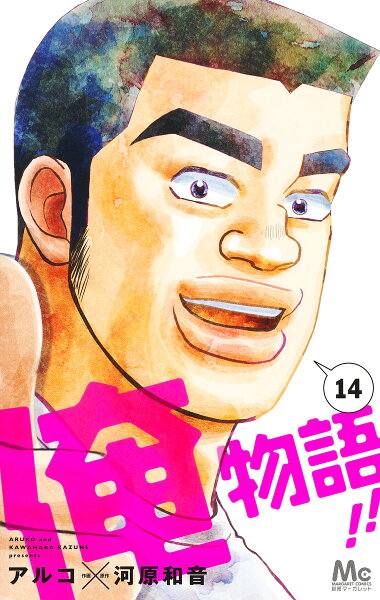
My Love Story!!
Yu's review of My Love Story!! — a huge, scary-looking boy with no luck with girls saves a girl from a groper on the train, and she falls in love with him — not his handsome best friend.
Romance
Mixed Vegetables
A review of Mixed Vegetables — the shojo romance about a pastry chef's daughter who wants to run a sushi restaurant, and a sushi chef's son who wants to be a pastry chef, who start dating specifically to access each other's family businesses — and then complicate everything by actually falling in love.

Romance / Comedy
I Hate You More Than Anyone
Yu's review of I Hate You More Than Anyone — Kazuha Yoshida is the eldest of seven siblings and has been fighting with next-door neighbor Seiichi Tennozu since childhood; the series follows how their determined hatred gradually reveals itself as something more complicated and more honest across 9 volumes.
Romance / Comedy
Kaichou wa Maid-sama!
Yu's review of Kaichou wa Maid-sama! — Misaki Ayuzawa is the strict student council president of a recently co-ed school; she secretly works at a maid cafe to support her family; when the most popular boy at school, Usui Takumi, discovers her secret, he keeps it — and keeps showing up at her workplace across 18 volumes.
Romance / Comedy
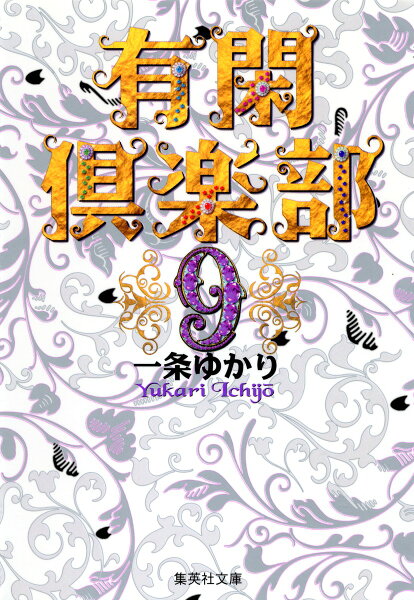
Yuukan Club
Yuukan Club follows six ultra-wealthy high school students who form the Leisure Club and stumble into mysteries, adventures, and romantic entanglements while maintaining an existence so extravagant it functions as its own genre of comedy.
Romance / Comedy
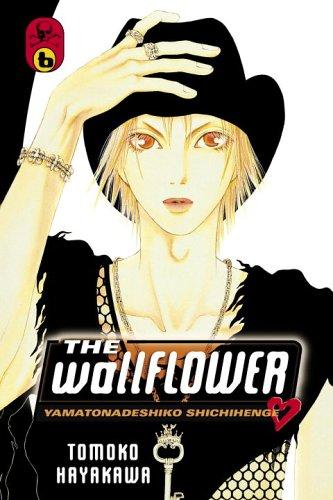
The Wallflower
Four gorgeous boys must transform a horror-loving recluse into a proper lady — or pay rent for life.
Written by
Yu
Manga Enthusiast from Japan
I grew up in Japan and manga literally saved me during a tough time in elementary school. My English isn't perfect, but my love for manga is real — and I want to share it with you.
Disclosure: This post contains affiliate links. As an Amazon Associate, I earn from qualifying purchases at no extra cost to you.