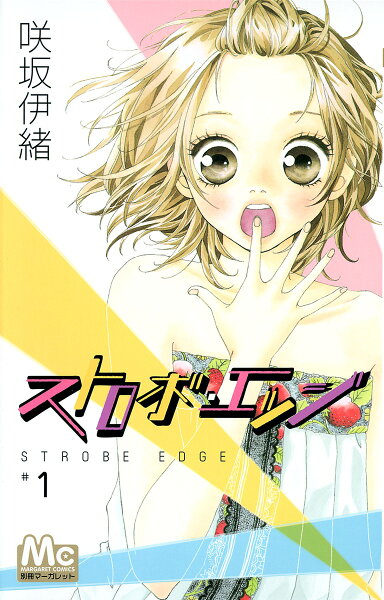
Strobe Edge Review: Learning That Loving Someone Doesn't Mean You Get to Keep Them
by Io Sakisaka
Read the first volume. If it doesn't hook you, put it down. It'll hook you.
Buy Strobe Edge on Amazon →*Affiliate link — I earn a small commission at no extra cost to you.
Quick Take
- A girl who has never been in love and cannot identify what the feeling even is falls for a boy who is in a relationship with someone else
- Clean, emotionally honest shojo from the same author as Ao Haru Ride — the predecessor that established what Sakisaka does best
- 10 volumes, complete, satisfying conclusion
Who Is This Manga For?
- Readers who want a compact, complete shojo romance
- Fans of Ao Haru Ride who want more Sakisaka, or vice versa
- Anyone who has experienced unrequited feelings and wants them treated with respect rather than as comic failure
- Readers who want ten volumes that feel complete rather than padded
Content Warnings & Age Rating
Age Rating: T (Teen) Content Warnings: Romantic content, themes of unrequited love and the complexity of feelings when the object of your love is unavailable
Accessible. Standard shojo content.
Yu's Rating
| Category | Score |
|---|---|
| Story Depth | ★★★★☆ |
| Art Style | ★★★★☆ |
| Character Development | ★★★★★ |
| Accessibility for Non-Japanese Readers | ★★★★★ |
| Reread Value | ★★★★☆ |
Story Overview
Ninako Kinoshita is sunny, guileless, and has never had feelings that she would identify as "love." When she falls for Ren Ichinose — the most popular, most unattainable boy in school — she is genuinely uncertain what the feeling is. She decides to observe it rather than act on it.
Ren is in a relationship. He is fundamentally kind, not arrogant, and treats Ninako with the same respect he gives everyone. He also comes to value her specifically, which complicates everything for both of them.
The manga is honest about the experience of loving someone who is unavailable — not dramatic or catastrophizing, but real. Ninako does not stop her feelings; she learns to hold them while treating Ren and his relationship with respect. That emotional maturity, rare in shojo, is what makes the manga work.
Characters
Ninako Kinoshita — One of shojo manga's most genuinely likeable heroines. Her guilelessness is not stupidity; it is openness. She asks herself hard questions and answers them honestly.
Ren Ichinose — The love interest who is not available and does not pretend to be. His eventual feelings for Ninako are developed with enough time and evidence that his change of position feels earned.
Daiki Korenaga — Ninako's friend who loves her; his arc is handled with unusual respect — the manga does not make him a villain for wanting what he wants.
Art Style
Sakisaka's art is clean and expressive — her hallmark is capturing emotional nuance in characters' faces, particularly in scenes of restraint rather than expression. The moments when characters are feeling something they are not saying are her strongest art.
What I Love About It
What Ninako does with her unrequited feelings. She does not catastrophize, does not make it about her, and genuinely tries to be happy for Ren and his relationship. That is difficult in life and even more difficult to portray in manga without making the character seem emotionally flat. Sakisaka makes it look like courage, which it is.
What English-Speaking Fans Say
Strobe Edge is often recommended alongside Ao Haru Ride to Sakisaka fans — both are considered among the better compact shojo romances of the 2000s-2010s era. Western readers appreciate the length (10 volumes is a manageable commitment) and the emotional honesty. Ninako is consistently praised as one of the genre's more mature protagonists.
Memorable Scene ⚠️ Spoiler Warning
The scene where Ninako tells Ren she loves him — knowing he is in a relationship, knowing nothing can come of it, but deciding to say it once because it is true and she will be able to live better having said it — is the manga's emotional peak. Her reasoning is the most mature moment in the manga.
Similar Manga
- Ao Haru Ride — Same author, similar emotional sensibility
- Kimi ni Todoke — Longer, similar warmth
- Say I Love You — Similar emotional restraint
- Shortcake Cake — Sakisaka's later work, similar quality
Reading Order / Where to Start
Volume 1. Ten volumes reads in a weekend.
Official English Translation Status
VIZ Media published the complete 10-volume series. All volumes available.
Pros & Cons
Pros
- 10 volumes, complete, no padding
- Ninako is one of shojo's more emotionally mature heroines
- The unrequited love section is handled with rare honesty
- Daiki's arc is given real respect
Cons
- Shorter than some readers want for the attachment level it creates
- Ren's internal state is less accessible than Ninako's in early volumes
- The resolution requires some coincidence to work
Format Comparison
| Format | Notes |
|---|---|
| Individual Volumes | Standard VIZ release |
| Digital | Works well for this length |
| Physical | Fine |
Where to Buy
Read the first volume. If it doesn't hook you, put it down. It'll hook you.
This post contains affiliate links. If you purchase through these links, I may earn a small commission at no extra cost to you. As an Amazon Associate, I earn from qualifying purchases.
*Affiliate link — I earn a small commission at no extra cost to you.
More Manga You Might Like
Romance / Shojo
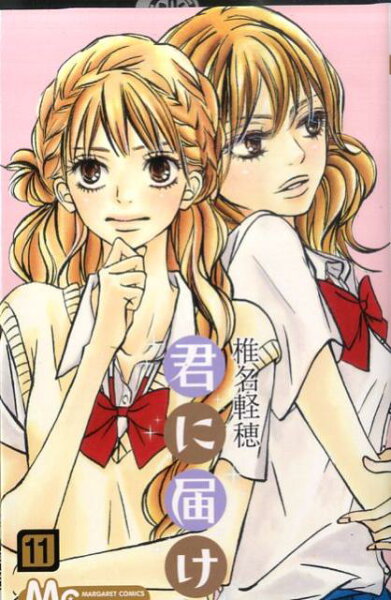
Kimi ni Todoke: From Me to You
Yu's review of Kimi ni Todoke — Sawako Kuronuma is avoided by her classmates because she resembles the horror movie character Sadako, but when the most popular boy in class actually speaks to her, her world begins to change.
Romance
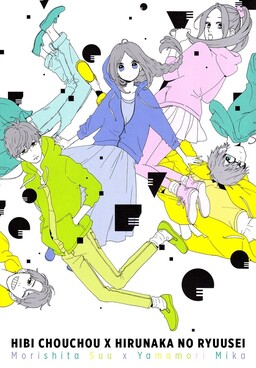
Hibi Chouchou: Everyday Butterflies
Yu's review of Hibi Chouchou: Everyday Butterflies — Suiren Shibazeki is so beautiful and quiet that people find her unapproachable; Kawasumi is so internally focused that he barely notices others; they notice each other, and what follows is one of the most unhurried and genuinely tender slow-burn romances in shojo manga.
Romance / Comedy
Kaichou wa Maid-sama!
Yu's review of Kaichou wa Maid-sama! — Misaki Ayuzawa is the strict student council president of a recently co-ed school; she secretly works at a maid cafe to support her family; when the most popular boy at school, Usui Takumi, discovers her secret, he keeps it — and keeps showing up at her workplace across 18 volumes.
Romance / Shojo
Say I Love You
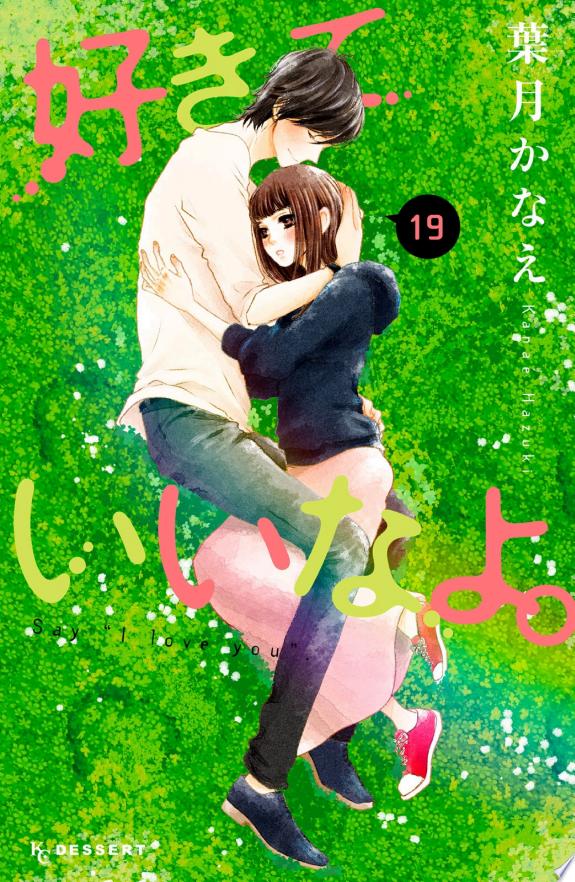
Yu's review of Say I Love You — Mei Tachibana has had no friends for years after a childhood betrayal, but when she accidentally kicks the most popular boy in school, he inexplicably decides she is worth knowing.
Romance / Comedy
Ouran High School Host Club
Yu's review of Ouran High School Host Club — a scholarship student at an elite school accidentally breaks a vase and must join the Host Club to pay off the debt, in a manga that satirizes shojo tropes while being genuinely charming.
Romance / Comedy
My Little Monster
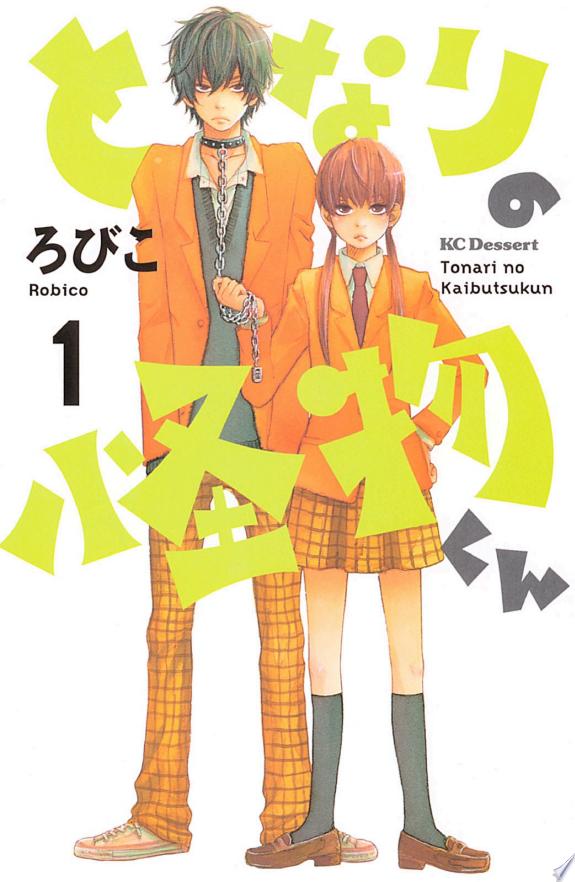
Yu's review of My Little Monster — a studious girl focused entirely on grades is disrupted when she is asked to deliver notes to a classmate who stopped coming to school, a boy who fights constantly and has no idea how human interaction works.
Written by
Yu
Manga Enthusiast from Japan
I grew up in Japan and manga literally saved me during a tough time in elementary school. My English isn't perfect, but my love for manga is real — and I want to share it with you.
Disclosure: This post contains affiliate links. As an Amazon Associate, I earn from qualifying purchases at no extra cost to you.