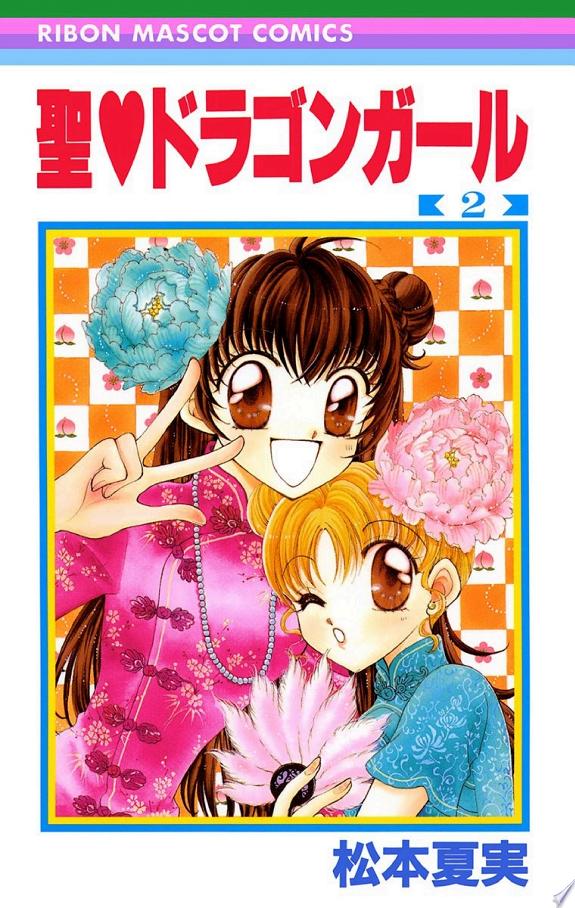
St. ♥ Dragon Girl Review: A Ribon Action-Romance Where the Girl Hits First and the Boy Does the Magic
by Natsumi Matsumoto
Read the first volume. If it doesn't hook you, put it down. It'll hook you.
Buy St. ♥ Dragon Girl on Amazon →*Affiliate link — I earn a small commission at no extra cost to you.
I read St. ♥ Dragon Girl during the years when VIZ's Shojo Beat imprint was hauling out the back catalog of Ribon, and I am quietly grateful they did. It's an action-romance from the same magazine that birthed Sailor Moon and Marmalade Boy — and it has, by a wide margin, the rowdiest female lead of the three.
I'm Yu, and Momoka Sendou is one of my favorite shoujo protagonists of her era for one reason: she does not need to be rescued.
Quick Take
- Natsumi Matsumoto's St. ♥ Dragon Girl (セント♥ドラゴンガール) ran in Shueisha's Ribon magazine from October 1999 to April 2003 — eight tankōbon volumes.
- VIZ Media's Shojo Beat imprint published the complete English edition between December 2, 2008 and September 7, 2010.
- Rated T (Teen) — yokai-fighting action, mild romantic content, no explicit material.
Story Overview
Momoka Sendou is a high schooler and a serious martial artist; her dojo and her training are the most important things in her life after Ryuga Kou, her childhood friend. Ryuga is the heir to a family that practices Chinese magic — protective rituals, exorcism, the kind of supernatural craft that involves summoning entities to handle things humans cannot.
The series opens with Ryuga performing a summoning to protect Momoka's psychic cousin Shunran, whom a serpent king has set his sights on as a bride. The summoned dragon spirit is meant to inhabit Ryuga as a vessel. Instead — for reasons the manga has fun with — the dragon ends up in Momoka. From that moment, Momoka can call on the dragon's power when she fights, becoming dramatically stronger and dramatically more dangerous than her training alone would allow.
The eight volumes follow her, Ryuga, Shunran, and a small recurring cast as they handle the next wave of yokai cases that find them. The serpent-king plot resolves; new threats arrive; the romance between Momoka and Ryuga keeps pretending not to be a romance for as long as it can get away with it. The final volumes pay off the relationship arc and the dragon-spirit arc on roughly equal terms.
Characters
Momoka Sendou — A high school martial artist with the dragon spirit inside her. The thing that makes Momoka work as a shoujo lead is that she was strong before she got the dragon. Matsumoto draws her as physically confident, willing to throw a punch first, and slightly impatient with magical solutions when a kick would do. She is the rare shoujo protagonist who does not need the magical artifact to be the most capable person in the room.
Ryuga Kou — Heir to a family of Chinese-magic practitioners. The exorcism, sealing, and summoning work falls to him; the heavy hitting falls to Momoka. Their dynamic is built around the inversion of the usual shoujo formula — he's the one performing rituals while she fights — and the manga has fun with it.
Shunran — Momoka's cousin. Possesses psychic gifts; the catalyst for the first arc and a recurring presence afterward. Her vulnerability gives Momoka something specific to protect, but Matsumoto doesn't reduce her to a damsel.
The recurring antagonists — Yokai of various kinds, mostly Chinese-folklore derived, plus the serpent king of the opening arc and the larger spirit-world figures who appear in later volumes.
What I Love About It
What I love about St. ♥ Dragon Girl is what I said in the opening: Momoka never has to be rescued.
That sounds small. It is not small in Ribon-era shoujo. The dominant grammar of the magazine was protective male leads carrying physically vulnerable female protagonists through danger. Matsumoto inverts this. Ryuga does important work; the magic he performs is real and necessary. But the threats hit Momoka, and Momoka handles them. The dragon spirit doesn't replace her competence; it amplifies a martial artist who was already going to win the fight.
The romance is the second thing I love. Childhood friends who have always known they would eventually have to decide what they are is one of the oldest shoujo setups. Matsumoto plays the trope sincerely. The slow erosion of their plausible deniability — over years, not chapters — is the through-line that makes the eight volumes feel like a complete arc rather than an episodic series.
Memorable Scene ⚠️ Spoiler Warning
A late-run sequence where Ryuga is the one in danger and Momoka has to choose between her own safety and his. The series has been building toward this inversion: every previous arc, Ryuga was sealing the threat while Momoka punched it. The late arc finally puts him in the position the standard shoujo lead would have been in from the start.
What makes it land is Momoka's response. She doesn't panic. She doesn't get rescued by an outside agency. She fights, makes the decision herself. It is one of the cleanest payoffs the series gives the reader — exactly the kind of role-flip the eight volumes had been quietly preparing.
Pros & Cons
Pros:
- A genuinely active female lead in a Ribon shoujo from 1999–2003 — rarer than it should be.
- Eight volumes, complete, English-licensed in full by Shojo Beat — a finite reading commitment.
- The Chinese-magic / martial-arts blend gives the series a visual texture distinct from its Ribon peers.
Cons:
- The early volumes are episodic in a way that some readers find lightweight.
- Supporting cast (especially the recurring villains) gets less interiority than Momoka and Ryuga.
- Late-90s Ribon aesthetic conventions — chibi reaction panels, screen-tone overload — may read dated.
Is St. Dragon Girl Worth Reading?
Yes — if you want a complete short-form Ribon-era shoujo with a fighter protagonist. Skip if you want pure romance with no action or vice versa; the book commits to both.
Who Is This Manga For?
- Sailor Moon fans who want something shorter and less cosmic-scale.
- Inuyasha readers who want a Ribon-flavored take on Chinese-magic adventure.
- Anyone who likes the protective childhood-friend trope played the long way around.
- Completists of VIZ's Shojo Beat back catalog.
Official English Translation Status
VIZ Media's Shojo Beat published all eight volumes of St. ♥ Dragon Girl in English between December 2, 2008 and September 7, 2010. The series is complete in English. Print volumes are out of print; used copies and digital editions through major storefronts remain accessible.
Where to Buy
VIZ Shojo Beat's eight English volumes are the only English edition. Used copies are widely available; digital editions surface periodically through major retailers.
Browse St. Dragon Girl on Amazon →
This post contains affiliate links. If you purchase through these links, I may earn a small commission at no extra cost to you. As an Amazon Associate, I earn from qualifying purchases.
*Affiliate link — I earn a small commission at no extra cost to you.
More Manga You Might Like
Romance
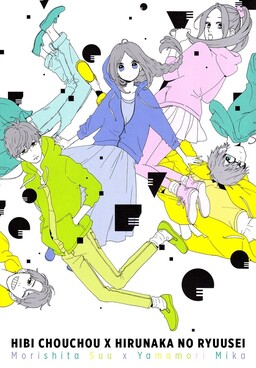
Hibi Chouchou: Everyday Butterflies
Yu's review of Hibi Chouchou: Everyday Butterflies — Suiren Shibazeki is so beautiful and quiet that people find her unapproachable; Kawasumi is so internally focused that he barely notices others; they notice each other, and what follows is one of the most unhurried and genuinely tender slow-burn romances in shojo manga.
Romance / Fantasy
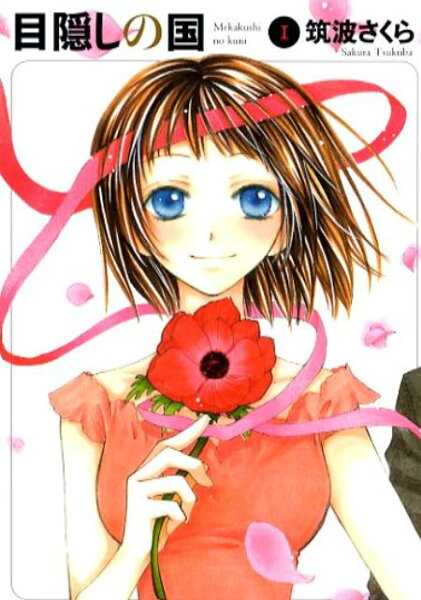
Land of the Blindfolded
Yu's review of Land of the Blindfolded — Kanade Outsuki can see glimpses of the future when she touches people; she meets Arou Nougami, who can see the past; their complementary abilities and developing feelings for each other create a quiet, thoughtful romance across 9 volumes.
Romance / Fantasy
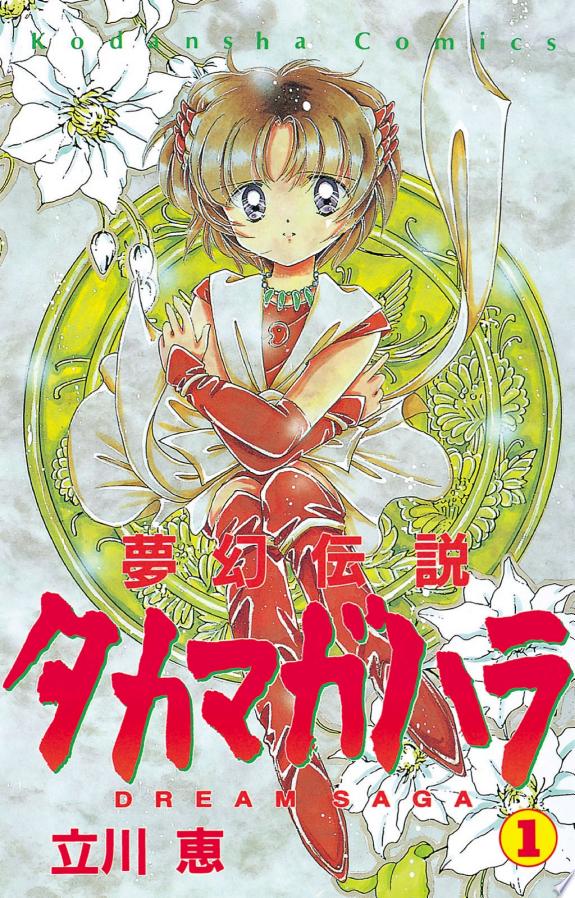
Phantom Dream
Yu's review of Phantom Dream — Tamaki Otoya is the last in a line of spirit summoners tasked with exorcising evil; his childhood friend Asahi loves him and fears the duty that is consuming him; the series is Natsuki Takaya's darker early work, full of sacrifice and the cost of supernatural obligation.
Romance / Fantasy
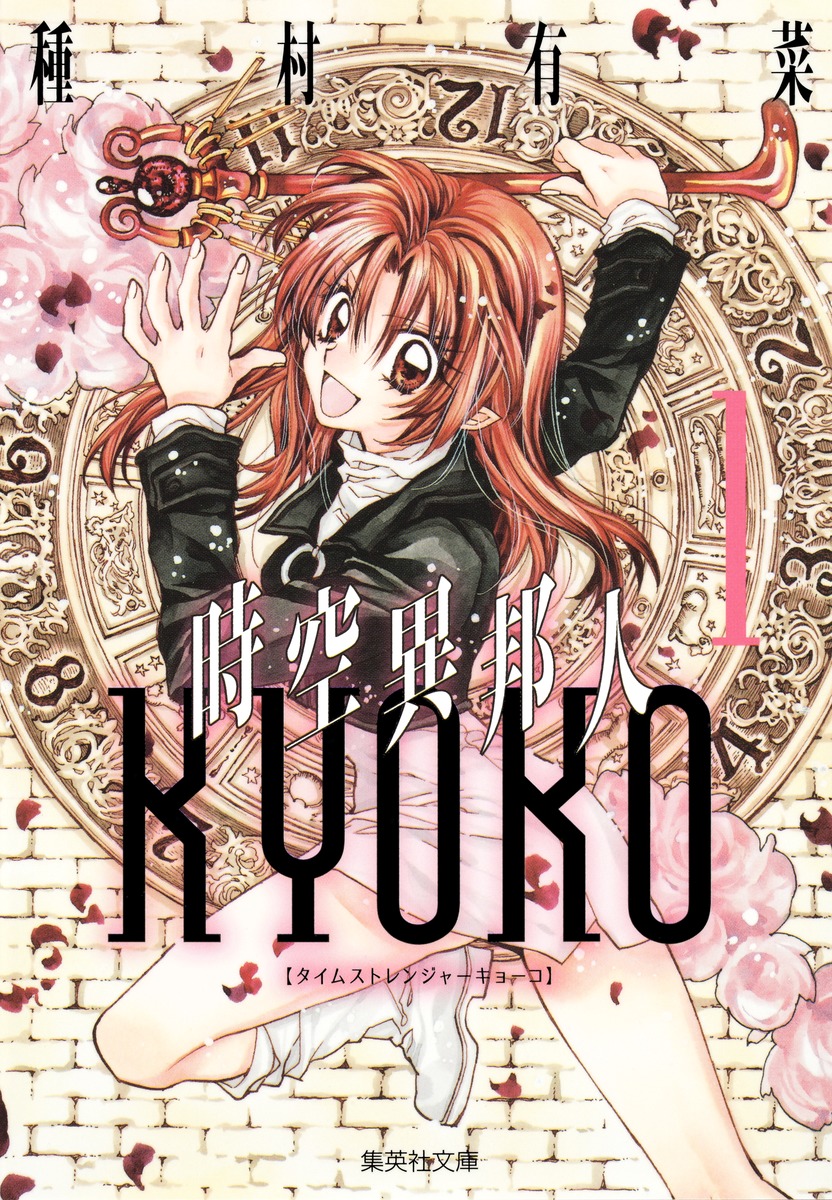
Time Stranger Kyoko
A review of Time Stranger Kyoko — Arina Tanemura's 3-volume Ribon series (September 2000–September 2001), about a 30th-century princess who must gather twelve Strangers and their holy stones to wake her comatose twin sister. VIZ published the complete English edition 2008–2009.

Romance
Cactus's Secret
Yu's review of Cactus's Secret (サボテンの秘密) by Nana Haruta — Miku Yamada has crushed on clueless Kyohei Fujioka since middle school, but when she tries to confess he treats it as a joke and nicknames her 'cactus' for being so prickly around him. A breezy four-volume Ribon romance where the girl makes the first move.
Romance / Slice of Life
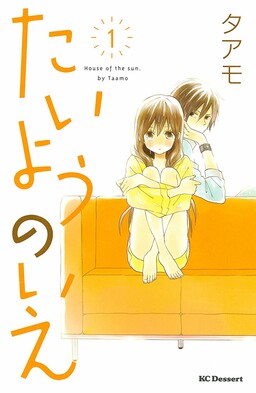
House of the Sun (Taiyou no Ie)
Yu's review of House of the Sun (Taiyou no Ie) — Mao Motomiya, whose home life fell apart when her father remarried, finds herself staying at the house of Hiro, her cheerful childhood friend; his large, warm family gradually becomes the home she didn't know she needed, and the romance that develops is built on that foundation.
Written by
Yu
Manga Enthusiast from Japan
I grew up in Japan and manga literally saved me during a tough time in elementary school. My English isn't perfect, but my love for manga is real — and I want to share it with you.
Disclosure: This post contains affiliate links. As an Amazon Associate, I earn from qualifying purchases at no extra cost to you.