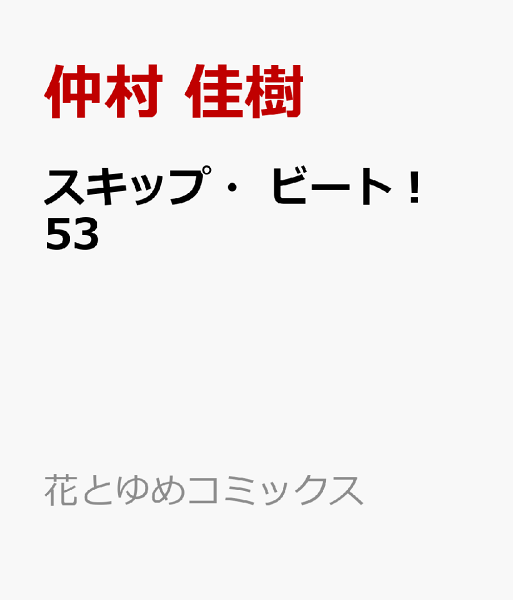
Skip Beat! Review: The Best Revenge Is Becoming a Better Actor Than Him
by Yoshiki Nakamura
Read the first volume. If it doesn't hook you, put it down. It'll hook you.
Buy Skip Beat! on Amazon →*Affiliate link — I earn a small commission at no extra cost to you.
Quick Take
- A girl betrayed by the pop idol she gave up everything to support decides to destroy him by becoming a better entertainer
- What starts as revenge becomes a genuine story about discovering what you are capable of when no one has ever asked you to be anything
- One of the best ongoing shojo manga — 49 volumes in and the protagonist is still one of the most compelling characters in the genre
Who Is This Manga For?
- Readers who want a protagonist with genuine ambition and the skill development to back it up
- Fans of entertainment industry stories (acting, music, modeling) done with real detail
- Anyone who wants romance that arrives slowly and earns it
- Readers willing to commit to a long, ongoing series with no end in sight
Content Warnings & Age Rating
Age Rating: T (Teen) Content Warnings: Sho's manipulation of Kyoko is depicted and criticized, not romanticized; some comedic violence; themes of emotional damage from childhood
Very accessible. The toxic relationship in the backstory is clearly framed as wrong.
Yu's Rating
| Category | Score |
|---|---|
| Story Depth | ★★★★☆ |
| Art Style | ★★★★☆ |
| Character Development | ★★★★★ |
| Accessibility for Non-Japanese Readers | ★★★★☆ |
| Reread Value | ★★★★☆ |
Story Overview
Kyoko Mogami followed her childhood friend and idol Sho Fuwa from their small town to Tokyo, working multiple jobs to support his career while he pursued his dream of being a pop star. When she overhears him telling a colleague that she is just a convenient housekeeper, something inside her breaks — and then rearranges into something entirely different.
She decides to enter show business and destroy him. She applies to the talent agency LME, gets rejected because she lacks star quality (specifically: the love and warmth that make performers magnetic), and then gets accepted into LME's grudge development department — a unit the agency created specifically for unusual cases.
What follows is the story of Kyoko discovering that she is talented. More than talented. That she has a capacity for character immersion, emotional depth, and transformation that the entertainment industry has not seen. And that figuring out who she actually is, separate from who she was for Sho, is both more difficult and more rewarding than revenge.
Characters
Kyoko Mogami — One of the great shojo protagonists. Her grudge is real and funny, but her passion for acting is realer. Watching her discover her capabilities chapter by chapter, across 49 volumes, is one of manga's great pleasures.
Ren Tsuruga — LME's top actor, initially cold toward Kyoko, gradually recognizing what she is and what he feels about it. His secret identity is one of the longest-running reveals in the series.
Sho Fuwa — The ex. Initially a simple villain, increasingly complicated as he is forced to reckon with what Kyoko has become. The manga is smart about how it handles his arc.
Lory Takarada — The eccentric LME president, whose decision to create the Love Me Section for Kyoko is one of the best comedy setups in the manga.
Art Style
Nakamura's art is expressive and detailed, with excellent visual comedy (Kyoko's grudge spirits are a running visual gag that never gets old) alongside serious performance sequences. The acting scenes — where Kyoko immerses herself in a character — are drawn with a care that makes you feel the transformation.
Cultural Context
The Japanese entertainment industry (jimusho, idol culture, the distinction between talent agencies and the entertainment they produce) is depicted with insider knowledge. The hierarchy of Ren's position, the way younger talents must navigate senior relationships, the specific pressures of variety shows vs. drama vs. CM work — these details make the world feel real.
What I Love About It
I love that Kyoko's character development is about skill, not just love. Most shojo manga with an entertainment setting make the romance the main event and the career secondary. Skip Beat! reverses this. Kyoko's growth as an actress — her techniques, her breakthroughs, her specific gift for inhabiting characters — is the manga's real subject. The romance is real too, but it develops at the pace that a person recovering from emotional damage actually develops.
Her love of acting is infectious. I started reading this manga and immediately wanted to perform something.
What English-Speaking Fans Say
Skip Beat! has a devoted Western following who have been with it for over twenty years. The consistent praise is for Kyoko as a protagonist — she is almost never discussed without someone saying she is their favorite shojo lead. The slow romance is sometimes criticized by impatient readers, but most fans have accepted the pace as part of what makes the eventual development meaningful. There is occasional frustration with how long the series is going — 49 volumes is a significant commitment — but readers who are in it are deeply in it.
Memorable Scene ⚠️ Spoiler Warning
The Heel siblings arc — where Kyoko and Ren must play a pair of criminal siblings for a project — contains the most emotionally complex acting the manga has depicted. Watching Kyoko's character Setsu interact with Ren's character Cain while both of them are also Kyoko and Ren interacting with each other is the kind of layered storytelling that makes this series special.
Similar Manga
- Ouran High School Host Club — Lighter; also comedic, also character-ensemble driven
- Glass Mask — Classic acting manga; more intense, older
- Nana — Music industry setting, similar career ambition alongside romance
- Fruits Basket — Different setting, similar depth of character development
Reading Order / Where to Start
Volume 1. The premise is established fast and the comedy is immediate. This is a series where you need to be patient with the romance — it will come, but the character development is the main event.
Official English Translation Status
VIZ Media is publishing the ongoing series in English. Currently 49 volumes released, with new volumes as they come out in Japan. The translation has been consistently strong across the run.
Pros & Cons
Pros
- Kyoko is one of the greatest shojo protagonists
- Character development that actually shows skill growth, not just emotional growth
- Comedy that stays funny across 49 volumes
- Entertainment industry world-building with genuine detail
Cons
- Ongoing with no end in sight (49+ volumes)
- The romance develops very slowly — readers looking for quick payoff will be frustrated
- Long enough that some story arcs drag
Format Comparison
| Format | Notes |
|---|---|
| Individual Volumes | Standard release; the series is long enough that digital may be more practical |
| Digital | Recommended for this series — 49 volumes takes up real shelf space |
| Omnibus | Some omnibus editions exist; check availability |
Where to Buy
Read the first volume. If it doesn't hook you, put it down. It'll hook you.
This post contains affiliate links. If you purchase through these links, I may earn a small commission at no extra cost to you. As an Amazon Associate, I earn from qualifying purchases.
*Affiliate link — I earn a small commission at no extra cost to you.
More Manga You Might Like

Romance / Drama
We Were There
A high school love story that follows its couple deep into adulthood, through a four-year silence, a mother's suicide, and the slow work of finding each other again.
Romance / Drama
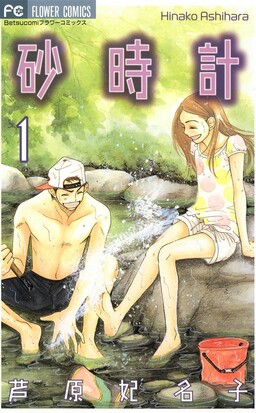
Sand Chronicles
Yu's review of Sand Chronicles — Ann Uekusa moves from Tokyo to rural Shimane after her parents' separation; her mother's death by suicide shapes everything that follows; the series follows Ann from childhood through adulthood with unflinching attention to grief, depression, and the slow work of becoming a whole person.
Romance / Drama
Orange
Yu's review of Orange — on the first day of high school, Naho receives a letter from herself ten years in the future, listing the regrets she has about a classmate named Kakeru, and warning her to save him before it's too late.

Romance / Drama
Fruits Basket
Yu's review of Fruits Basket — a girl who has lost everything moves in with a family cursed to transform into animals of the Chinese zodiac, and slowly melts the ice that generations of abuse built around their hearts.
Romance / Fantasy
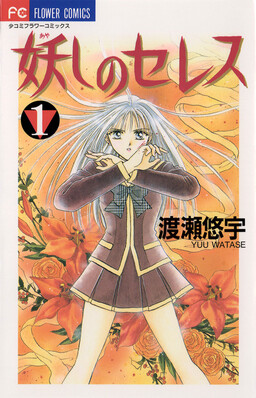
Ceres: Celestial Legend
Yu's review of Ceres: Celestial Legend — on her 16th birthday Aya Mikage learns she is the reincarnation of the celestial maiden Ceres, and that her own family tests and kills its children to stop Ceres's revenge. Yuu Watase's darkest, most adult shojo.
Drama / Romance
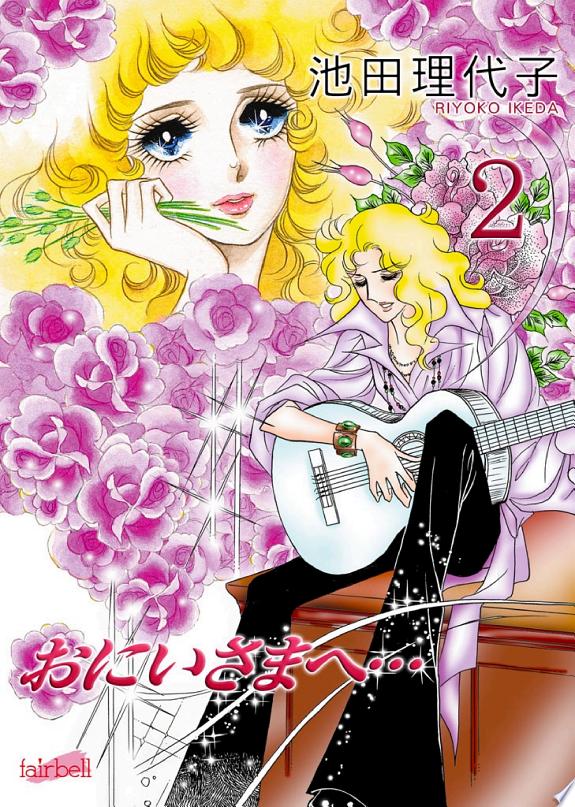
Brother, Dear Brother
A new student at an elite girls' academy gets pulled into a sorority's poison politics in Riyoko Ikeda's haunting epic.
Written by
Yu
Manga Enthusiast from Japan
I grew up in Japan and manga literally saved me during a tough time in elementary school. My English isn't perfect, but my love for manga is real — and I want to share it with you.
Disclosure: This post contains affiliate links. As an Amazon Associate, I earn from qualifying purchases at no extra cost to you.