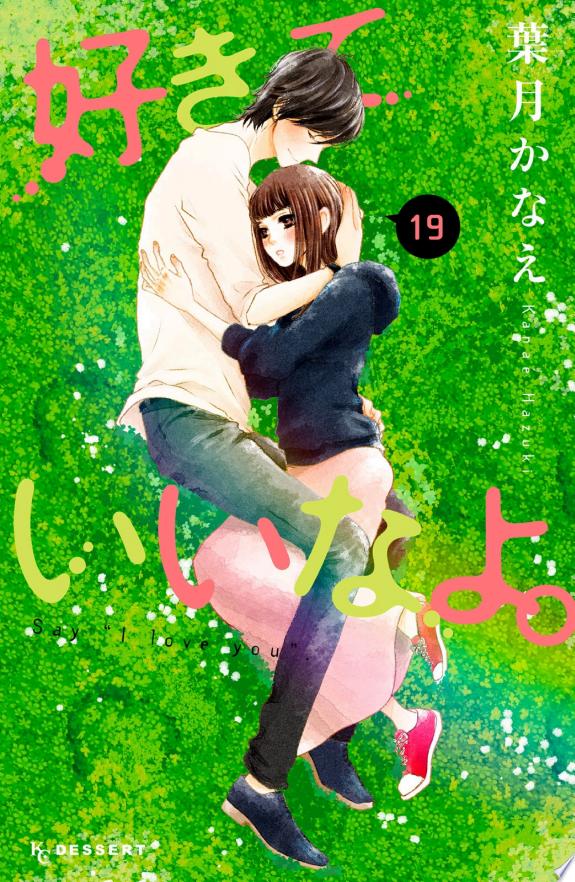
Say I Love You Review: A Girl Who Trusts No One Meets a Boy Who Won't Leave Her Alone
by Kanae Hazuki
Read the first volume. If it doesn't hook you, put it down. It'll hook you.
Buy Say I Love You on Amazon →*Affiliate link — I earn a small commission at no extra cost to you.
Quick Take
- A girl who has shut everyone out since childhood is pursued by the school's most popular boy after she accidentally kicks him in the face
- Shojo romance that takes social anxiety and trust issues seriously rather than treating them as quirks to be fixed by love
- 18 volumes, complete
Who Is This Manga For?
- Readers who want shojo romance with a realistic take on social difficulty
- Anyone who has experienced social anxiety and wants to see it portrayed without condescension
- Fans of school romance with genuine emotional stakes
- Readers who want a complete series with reasonable length
Content Warnings & Age Rating
Age Rating: T (Teen) Content Warnings: Themes of social anxiety and betrayal, mild romantic physical content in later volumes
Generally accessible. Later volumes are slightly more mature in romantic content.
Yu's Rating
| Category | Score |
|---|---|
| Story Depth | ★★★★☆ |
| Art Style | ★★★★☆ |
| Character Development | ★★★★★ |
| Accessibility for Non-Japanese Readers | ★★★★★ |
| Reread Value | ★★★★☆ |
Story Overview
Mei Tachibana has not had a friend since elementary school, when a betrayal taught her that trusting people leads to pain. She has been alone by choice for years.
Yamato Kurosawa is popular — genuinely kind, not just socially successful — and when Mei accidentally kicks him defending herself from his friend's prank, he is inexplicably delighted. He gives her his phone number. She throws it away. He tracks her down anyway.
What follows is Mei learning to trust: first Yamato, then his friends, then a world that has not been kind to her. The manga is honest about how difficult this is — the setbacks are real, the progress is slow, and Mei's wariness is treated as reasonable rather than something to be overcome in three chapters.
Characters
Mei Tachibana — Defensive, quiet, and genuinely difficult to befriend — which the manga respects. Her resistance to Yamato's attention is not played as charming shyness but as the reasonable response of someone who has been hurt.
Yamato Kurosawa — Popular in ways that the manga investigates rather than takes for granted. His past and his reasons for pursuing Mei specifically are developed over time into something more complex than initial popularity.
The Secondary Cast — Aiko and Asami, who become Mei's first female friends, provide the ensemble heart of the manga. Their stories of insecurity and social navigation parallel and deepen Mei's.
Art Style
Hazuki's art is clean shojo style — expressive, with careful attention to body language that suits a manga about a character who expresses everything through physical withdrawal. The character designs are distinct and recognizable.
What I Love About It
Mei's trust being earned rather than given. Most shojo manga treats the protagonist's eventual openness as the reward for the love interest's persistence — he's so charming she can't help it. This manga treats it as Mei making a genuine choice, after seeing enough evidence to trust, that the risk is worth taking. That specificity is what makes the romance meaningful.
What English-Speaking Fans Say
Say I Love You has a modest but loyal Western fanbase from the anime adaptation. Western readers praise Mei's characterization as more realistic than typical shojo heroines. The criticism most often raised is that Yamato's character depth in the early volumes is thinner than Mei's — he improves across the run.
Memorable Scene ⚠️ Spoiler Warning
Mei's first "I love you" — said aloud, meaning it, after volumes of being unable to — is the emotional center of the manga. Hazuki earns it by showing exactly what it costs Mei to be that open.
Similar Manga
- Kimi ni Todoke — Similar social isolation premise, longer run
- Ao Haru Ride — Similar emotional restraint, similar school setting
- Horimiya — More balanced lead characterization
- My Little Monster — Similar reluctant protagonist, more comedic
Reading Order / Where to Start
Volume 1. Linear romance arc — no good entry point mid-series.
Official English Translation Status
Kodansha USA published the complete 18-volume series. All volumes available.
Pros & Cons
Pros
- Mei's social anxiety is handled with genuine respect
- 18 volumes, complete, satisfying ending
- The secondary characters develop their own meaningful arcs
- Honest about how difficult trust is to rebuild
Cons
- Yamato's early characterization is less developed than Mei's
- Some romantic jealousy arcs feel repetitive in the middle section
- Accessible but not distinctive enough for some readers
Format Comparison
| Format | Notes |
|---|---|
| Individual Volumes | Standard Kodansha USA release |
| Digital | Works well |
| Physical | Fine |
Where to Buy
Read the first volume. If it doesn't hook you, put it down. It'll hook you.
This post contains affiliate links. If you purchase through these links, I may earn a small commission at no extra cost to you. As an Amazon Associate, I earn from qualifying purchases.
*Affiliate link — I earn a small commission at no extra cost to you.
More Manga You Might Like
Romance / Shojo
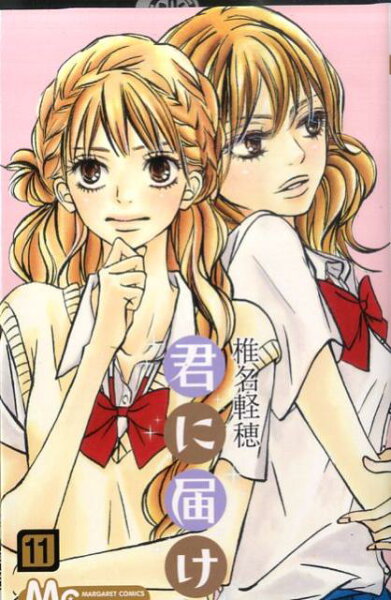
Kimi ni Todoke: From Me to You
Yu's review of Kimi ni Todoke — Sawako Kuronuma is avoided by her classmates because she resembles the horror movie character Sadako, but when the most popular boy in class actually speaks to her, her world begins to change.
Romance
Hibi Chouchou: Everyday Butterflies
Yu's review of Hibi Chouchou: Everyday Butterflies — Suiren Shibazeki is so beautiful and quiet that people find her unapproachable; Kawasumi is so internally focused that he barely notices others; they notice each other, and what follows is one of the most unhurried and genuinely tender slow-burn romances in shojo manga.
Romance / Comedy
Kaichou wa Maid-sama!
Yu's review of Kaichou wa Maid-sama! — Misaki Ayuzawa is the strict student council president of a recently co-ed school; she secretly works at a maid cafe to support her family; when the most popular boy at school, Usui Takumi, discovers her secret, he keeps it — and keeps showing up at her workplace across 18 volumes.
Romance / Shojo
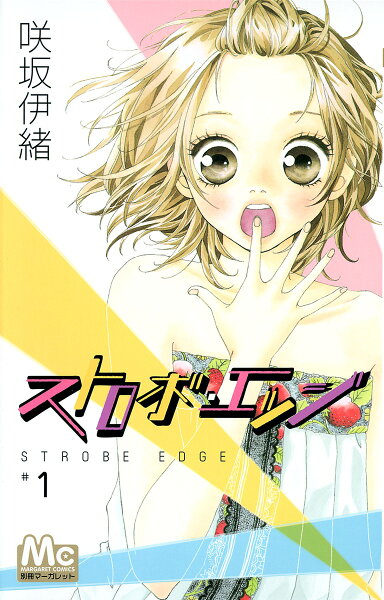
Strobe Edge
Yu's review of Strobe Edge — a girl who doesn't understand what love is falls for the most popular and unattainable boy in school, who is already in a relationship, and learns that loving someone is more complicated than she expected.
Romance / Comedy
Ouran High School Host Club
Yu's review of Ouran High School Host Club — a scholarship student at an elite school accidentally breaks a vase and must join the Host Club to pay off the debt, in a manga that satirizes shojo tropes while being genuinely charming.
Romance / Comedy
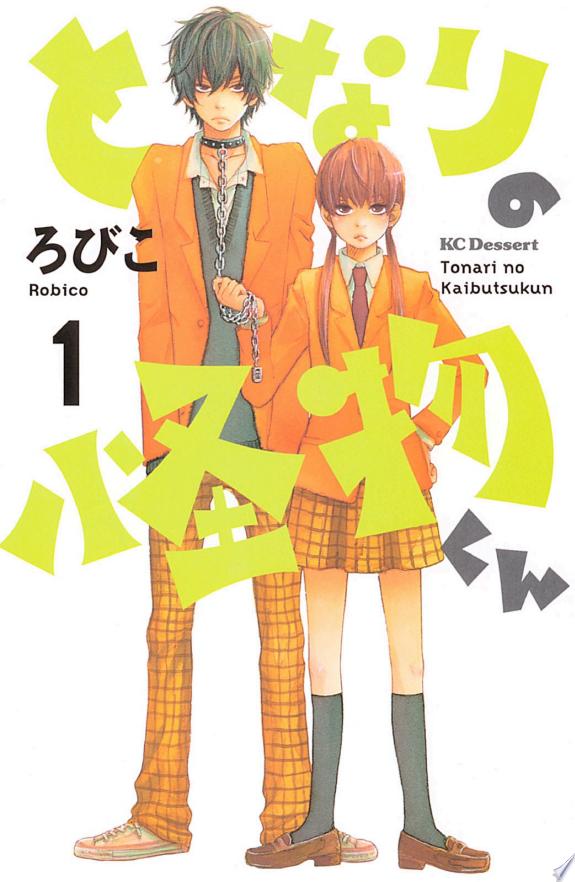
My Little Monster
Yu's review of My Little Monster — a studious girl focused entirely on grades is disrupted when she is asked to deliver notes to a classmate who stopped coming to school, a boy who fights constantly and has no idea how human interaction works.
Written by
Yu
Manga Enthusiast from Japan
I grew up in Japan and manga literally saved me during a tough time in elementary school. My English isn't perfect, but my love for manga is real — and I want to share it with you.
Disclosure: This post contains affiliate links. As an Amazon Associate, I earn from qualifying purchases at no extra cost to you.