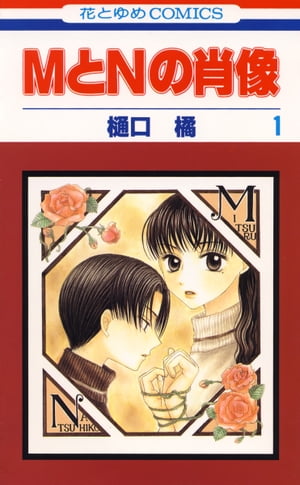
Portrait of M & N Review: The Manga Where the Punchline Is Also the Point
by Higuchi Tachibana
Read the first volume. If it doesn't hook you, put it down. It'll hook you.
Buy Portrait of M & N on Amazon →*Affiliate link — I earn a small commission at no extra cost to you.
She's a masochist who's kept it secret for years. He's a narcissist who's kept it secret for years. Their first meeting is immediately a disaster for both of them.
Quick Take
- A shojo comedy about two students who discover each other's embarrassing secrets and end up in a mutual-protection arrangement that becomes something more
- The comedic premise is played for genuine warmth rather than just punchlines
- 7 complete volumes — more emotional depth than the premise suggests
Who Is This Manga For?
- Shojo readers who want comedy that still takes its characters seriously
- Fans of secret-identity romance where the "secret" is character-defining rather than plot-mechanical
- People who enjoy ensemble casts in school settings
- Anyone who wants a complete, light romance with a satisfying ending
Content Warnings & Age Rating
Age Rating: T (Teen) Content Warnings: Masochism as a comedic premise, family pressure themes
The masochism is a character trait played for comedy and gradually for emotional depth — not depicted explicitly.
Yu's Rating
| Category | Score |
|---|---|
| Story Depth | ★★★☆☆ |
| Art Style | ★★★★☆ |
| Character Development | ★★★★☆ |
| Accessibility for Non-Japanese Readers | ★★★★☆ |
| Reread Value | ★★★☆☆ |
Story Overview
Mitsuru Abe has a secret: she's a masochist. Any insult or harsh word produces the opposite effect from what's intended. She's spent her life suppressing it while maintaining a perfectly proper appearance under intense family pressure.
Natsuhiko Amakusa has a secret: he's a narcissist. Compliments send him spiraling into bliss. He's cultivated a cold, distant persona specifically to prevent anyone from saying nice things to him.
When Mitsuru accidentally discovers Natsuhiko's secret and he discovers hers, they reach a truce: they'll protect each other's secrets. The story follows what happens when two people who built walls to hide who they are suddenly have someone who knows the truth — and doesn't use it against them.
Higuchi uses the comedy premise carefully: the secrets are funny, but the reason the characters have them isn't. Mitsuru's family pressure is real. Natsuhiko's wall is real. The romance works because the manga doesn't forget that.
Characters
Mitsuru Abe — More complex than the premise suggests. Her masochism is a comedic trait but her actual emotional arc — learning to accept herself rather than hide — is the series' genuine subject.
Natsuhiko Amakusa — The narcissist who is in fact deeply uncomfortable with being genuinely seen. His development from defensive to open is paced well across the seven volumes.
The supporting ensemble — Higuchi populates the school setting with secondary characters who get their own smaller arcs without overwhelming the main story.
Art Style
Higuchi's art is clean shojo with expressive character work — the big reactions the comedy premise requires are drawn with genuine visual flair. Character designs are distinctive and appealing. The art is most effective in the quieter emotional scenes, where the exaggerated comedy style is pulled back to let the genuine feeling show.
Cultural Context
The "hidden personality" premise in shojo manga often uses the secret as a plot device — something to be revealed and resolved. Portrait of M & N is more interested in the secret as a window into why people hide themselves, which connects it to the broader shojo tradition of examining the gap between public and private self.
The family pressure on Mitsuru — the expectation of proper, controlled behavior — reflects a specific anxiety about female self-expression in Japanese social context that shojo manga has addressed in various ways for decades.
What I Love About It
The moment when Natsuhiko stops protecting the secret and starts protecting Mitsuru. The shift from "I won't tell" to "I won't let this happen to her" is the scene where the relationship stops being a mutual agreement and starts being actual care. Higuchi places it carefully and the series earns it.
What English-Speaking Fans Say
A pleasant mid-tier shojo comedy — remembered fondly by readers who found it through Tokyopop's catalog. The comedy is consistently praised. The seven-volume length is appreciated as enough to develop the relationship without overstaying. Not a landmark series but a reliable one.
Memorable Scene ⚠️ Spoiler Warning
The backstory chapter explaining why Mitsuru developed as she did — the specific incident and its connection to the family pressure she carries — is the chapter that makes the comedy feel earned. You laugh throughout the series and then this chapter makes you understand why the laughing matters.
Similar Manga
| Title | Its Approach | How Portrait of M & N Differs |
|---|---|---|
| Ouran High School Host Club | Comedy romance with hidden character depths | Ouran is more elaborate and fantastical; Portrait is more grounded and character-focused |
| Kamisama Kiss | Secret-sharing between mismatched characters | Kamisama has supernatural elements; Portrait is entirely realistic |
| Lovely Complex | Comedy romance about characters protecting insecurities | Very similar register; Portrait is slightly darker in its backstory |
Reading Order / Where to Start
Volume 1, straight through. The comedy setup establishes immediately and the emotional depth builds from there.
Official English Translation Status
Tokyopop published all 7 volumes in English. Complete and available.
Pros & Cons
Pros
- The comedic premise is used for genuine character development
- Both leads have real emotional arcs
- Seven volumes — appropriate length for the story
- More warmth than the premise implies
Cons
- The masochism premise puts some readers off before the actual series begins
- Not distinctive enough to be a must-read outside the shojo comedy genre
- Some volumes now out of print
- The pacing slows in the middle before the final arc
Is Portrait of M & N Worth Reading?
For shojo comedy fans who can engage with the premise — yes. Warmer than it looks.
Format Comparison
| Format | Pros | Cons |
|---|---|---|
| Physical | Complete 7-volume set | Some volumes out of print |
| Digital | More accessible | — |
| Omnibus | No omnibus available | — |
Where to Buy
Read the first volume. If it doesn't hook you, put it down. It'll hook you.
This post contains affiliate links. If you purchase through these links, I may earn a small commission at no extra cost to you. As an Amazon Associate, I earn from qualifying purchases.
*Affiliate link — I earn a small commission at no extra cost to you.
More Manga You Might Like
Comedy / Romance
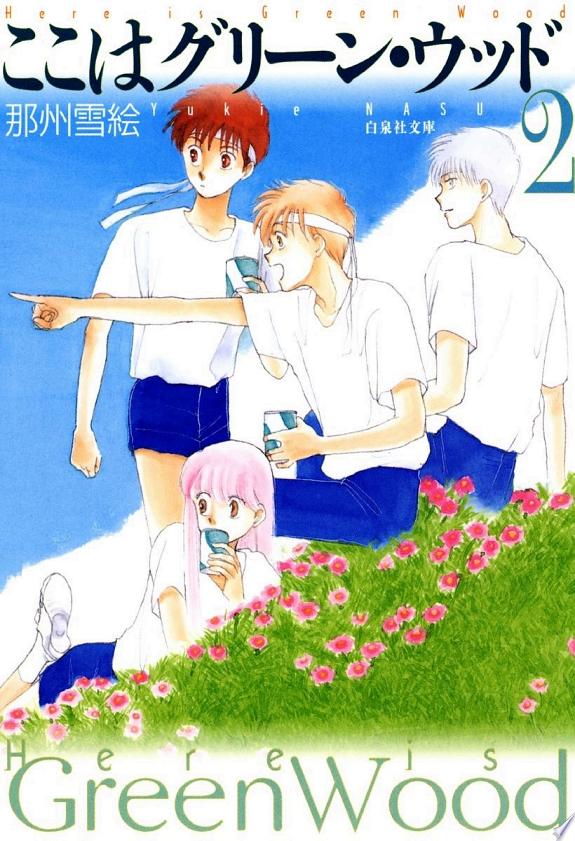
Here Is Greenwood
Yu's review of Here Is Greenwood — a high school boy moves into a school dormitory to escape his brother's wife (his first love), and finds the dormitory is populated entirely by eccentric misfits.

Romance / Comedy
Moe Kare!!
A review of Moe Kare!! — Ikuemi Ryo's eight-volume shojo comedy about a girl who is obsessed with bishounen anime characters and the real boy who appears to be her ideal type in person — and then turns out to be considerably more complicated than a 2D character.
Romance / Comedy
Tenshi Ja Nai!!
A review of Tenshi Ja Nai!! — the shojo comedy about a girl who shares a dorm room with the school's most popular idol, discovers the idol is secretly a boy, and gets caught in the comedic spiral that follows.
Romance / Comedy
Ultra Cute
A review of Ultra Cute — the shojo romance about two best friends who discover they're both in love with the same boy, and choose to compete fairly rather than let the rivalry destroy their friendship.
Romance / Comedy
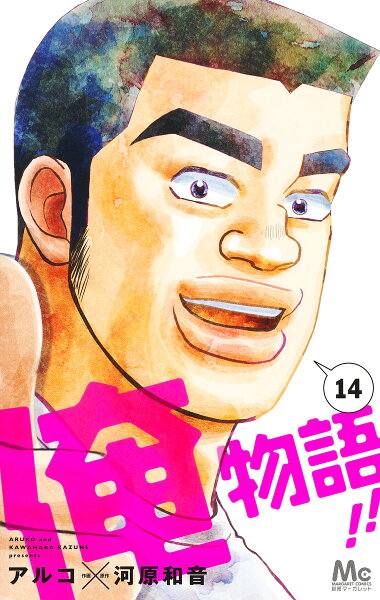
My Love Story!!
Yu's review of My Love Story!! — a huge, scary-looking boy with no luck with girls saves a girl from a groper on the train, and she falls in love with him — not his handsome best friend.
Romance / Fantasy
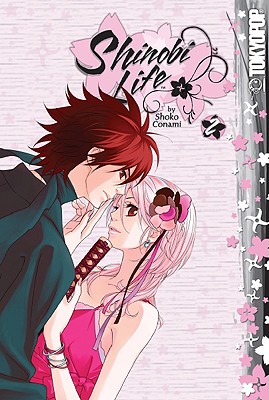
Shinobi Life
A review of Shinobi Life — Shoko Conami's twelve-volume shojo romance about a girl who falls off a rooftop and lands in the arms of a ninja from the past who is convinced she is the princess he has sworn his life to protect.
Written by
Yu
Manga Enthusiast from Japan
I grew up in Japan and manga literally saved me during a tough time in elementary school. My English isn't perfect, but my love for manga is real — and I want to share it with you.
Disclosure: This post contains affiliate links. As an Amazon Associate, I earn from qualifying purchases at no extra cost to you.