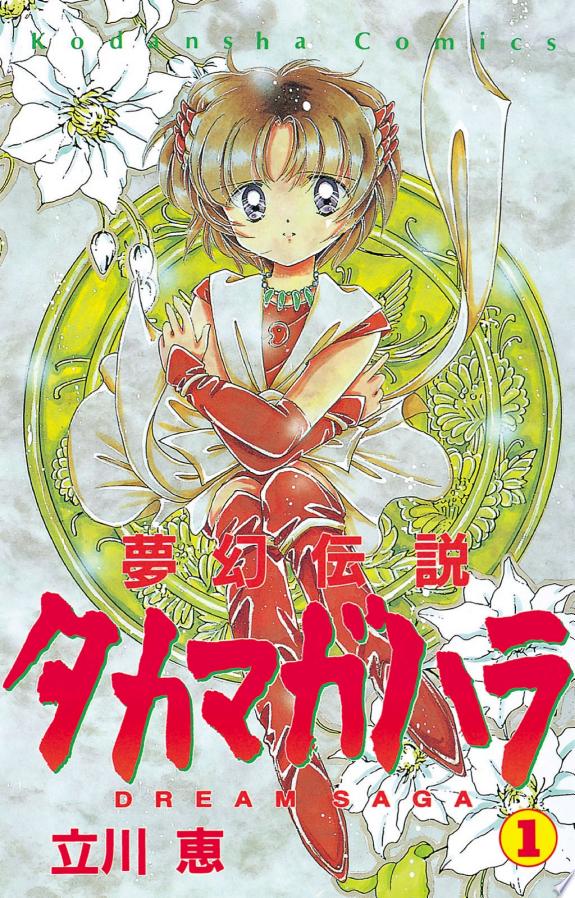
Phantom Dream Review: Natsuki Takaya's Dark Supernatural Romance About Sacrifice, Duty, and the Love That Survives Both
by Natsuki Takaya
Read the first volume. If it doesn't hook you, put it down. It'll hook you.
Buy Phantom Dream on Amazon →*Affiliate link — I earn a small commission at no extra cost to you.
Quick Take
- Takaya's darker early work — before Fruits Basket's warmth, she was writing supernatural romance with real sacrifice and real cost
- The spirit summoner duty that consumes Tamaki gives the romance its stakes: Asahi loves someone who is being systematically destroyed by his obligations
- 5 volumes complete in English (TOKYOPOP); compact and dark; essential for Takaya fans who want to understand where Fruits Basket came from
Who Is This Manga For?
- Natsuki Takaya fans who want to read her complete major works
- Readers who want dark supernatural romance where the supernatural cost is genuine
- Anyone interested in shojo manga about duty and sacrifice rather than circumstantial romantic obstacles
- Readers who want short, complete supernatural romance with real emotional weight
Content Warnings & Age Rating
Age Rating: T (Teen) Content Warnings: Supernatural violence and exorcism sequences; sacrifice themes including self-sacrifice; character deaths; dark romantic tone
T rating — darker than the rating suggests; emotional content is heavy.
Yu's Rating
| Category | Score |
|---|---|
| Story Depth | ★★★★☆ |
| Art Style | ★★★★☆ |
| Character Development | ★★★★☆ |
| Accessibility for Non-Japanese Readers | ★★★☆☆ |
| Reread Value | ★★★★☆ |
Story Overview
Tamaki Otoya is the last successor to a line of spirit summoners — people with the ability and obligation to exorcise malevolent spirits that threaten humans. The work is consuming him. Each exorcism takes something from him that does not come back.
Asahi is his childhood friend who loves him and can see clearly what the duty is doing to him while being unable to stop it. The series follows their relationship against the escalating supernatural threats that Tamaki must face as the last of his line.
The five volumes move quickly — this is Takaya working with limited space and knowing it — but the emotional core is clear: what does love mean when the person you love is committed to a path that will destroy them?
Characters
Tamaki Otoya — A protagonist defined by duty in a way that makes his gentleness toward Asahi more meaningful; he is being used up by his obligations, and his care for her is the thing he is trying to protect from that.
Asahi — A female lead whose love is active rather than passive; she sees what is happening to Tamaki and her response is not acceptance but the specific grief of loving someone whose path you cannot change.
Art Style
Takaya's early art style is less refined than Fruits Basket — the character designs have a sharper, darker quality appropriate to the series' tone. The supernatural imagery is effectively menacing. You can see the elements that would develop into Fruits Basket's visual warmth, still in a darker register.
Cultural Context
Phantom Dream ran in Hana to Yume from 1994 to 1997, predating Fruits Basket by several years. It shows Takaya's characteristic interest in characters defined by obligations they did not choose, in the cost of supernatural duty to the people who bear it, and in the specific difficulty of loving someone who is being destroyed by something external to you. Those themes were refined into Fruits Basket; here they are present in a darker, less tempered form.
What I Love About It
The series is honest about the cost. Takaya does not provide a happy ending that erases what Tamaki has lost to his duty — the resolution acknowledges what has been spent. That honesty is what separates Phantom Dream from supernatural romance that uses the dark premise as decoration.
What English-Speaking Fans Say
Western readers who discovered Phantom Dream through Fruits Basket generally describe it as essential context for Takaya's themes — specifically noted for showing the darker baseline from which Fruits Basket's warmth is a deliberate evolution, for Asahi being a more actively grief-stricken female lead than Takaya usually writes, and for the compact format being appropriately matched to the material's intensity. Recommended for Takaya completionists and readers who want dark supernatural shojo.
Memorable Scene ⚠️ Spoiler Warning
The scene where Tamaki's accumulated sacrifice reaches its conclusion — and Asahi's response to it — is the series' most emotionally precise moment, and the one that shows most clearly what Takaya was practicing before writing Fruits Basket.
Similar Manga
- Fruits Basket — Takaya's major work; the warmth here evolved from Phantom Dream's darker register
- Land of the Blindfolded — Supernatural shojo romance with similar careful emotional treatment
- Angel Sanctuary — Dark supernatural romance with similar sacrifice themes
- Ceres: Celestial Legend — Supernatural obligation romance with similar cost
Reading Order / Where to Start
Volume 1 — Tamaki's duty, Asahi's love for him, and the first major supernatural conflict establish the series' emotional logic immediately.
Official English Translation Status
TOKYOPOP published the complete English series. All 5 volumes available; note TOKYOPOP is defunct, so secondhand only.
Pros & Cons
Pros
- Dark supernatural romance with genuine cost
- Essential for understanding Natsuki Takaya's work
- Both leads have genuine emotional depth
- Compact and complete in 5 volumes
Cons
- TOKYOPOP editions are secondhand only
- Short format limits some character development
- Cultural references to Japanese spiritual practices may need context
Format Comparison
| Format | Notes |
|---|---|
| Individual Volumes | TOKYOPOP (defunct); secondhand market |
| Digital | Very limited availability |
Where to Buy
Read the first volume. If it doesn't hook you, put it down. It'll hook you.
This post contains affiliate links. If you purchase through these links, I may earn a small commission at no extra cost to you. As an Amazon Associate, I earn from qualifying purchases.
*Affiliate link — I earn a small commission at no extra cost to you.
More Manga You Might Like
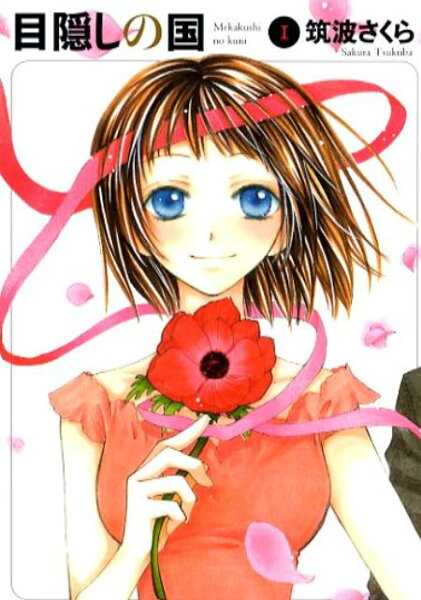
Romance / Fantasy
Land of the Blindfolded
Yu's review of Land of the Blindfolded — Kanade Outsuki can see glimpses of the future when she touches people; she meets Arou Nougami, who can see the past; their complementary abilities and developing feelings for each other create a quiet, thoughtful romance across 9 volumes.
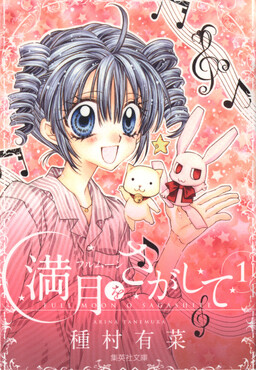
Romance / Fantasy
Full Moon o Sagashite
Yu's review of Full Moon o Sagashite — twelve-year-old Mitsuki has throat cancer and one year to live; two shinigami arrive to escort her when the time comes, but instead grant her the ability to transform into a healthy sixteen-year-old so she can pursue her dream of becoming a singer and find the boy she promised to meet again.
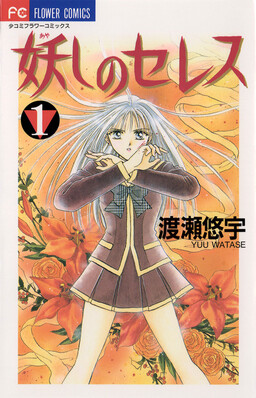
Romance / Fantasy
Ceres: Celestial Legend
Yu's review of Ceres: Celestial Legend — on her 16th birthday Aya Mikage learns she is the reincarnation of the celestial maiden Ceres, and that her own family tests and kills its children to stop Ceres's revenge. Yuu Watase's darkest, most adult shojo.
Romance / Drama
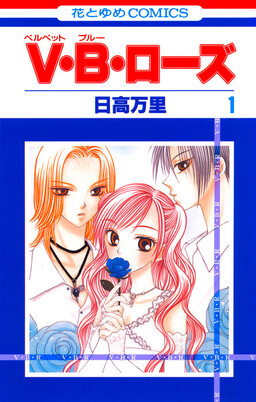
V.B. Rose
Yu's review of V.B. Rose — Ageha helps out at VB Rose, a boutique wedding dress shop run by two young men; her sister is getting married and Ageha becomes involved in making the dress; the craft focus and the shop's atmosphere form the backdrop for a romance with one of the shop's owners.
Romance / Fantasy
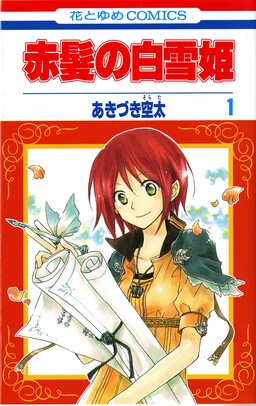
Snow White with the Red Hair
Yu's review of Snow White with the Red Hair — Shirayuki is an herbalist with distinctive red hair who flees her country when its prince demands her as his concubine; she crosses into the neighboring kingdom of Clarines and meets Prince Zen, who helps her without expecting anything in return; the series follows her life in Clarines as she trains to become a court herbalist while her relationship with Zen develops.
Romance / Fantasy
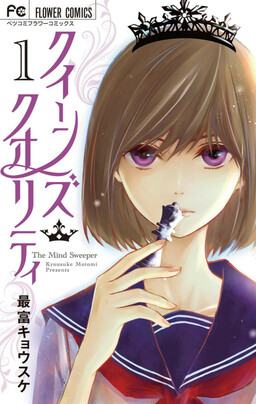
Queen's Quality
Yu's review of Queen's Quality — Fumi Nishioka works for a family of Mind Sweepers who enter people's minds to remove supernatural bugs; the Kyutaro Horikita, her partner, knows that Fumi harbors an extremely powerful inner persona called the Black Queen who could destroy or save everything — and that his feelings for her are complicated by his role in her situation.
Written by
Yu
Manga Enthusiast from Japan
I grew up in Japan and manga literally saved me during a tough time in elementary school. My English isn't perfect, but my love for manga is real — and I want to share it with you.
Disclosure: This post contains affiliate links. As an Amazon Associate, I earn from qualifying purchases at no extra cost to you.