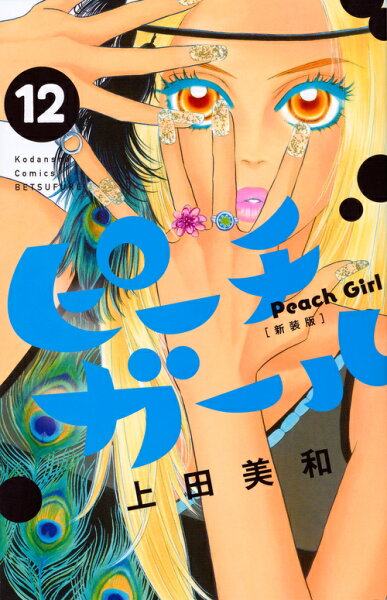
Peach Girl Review: She Looks Like a Gyaru Because She's on the Swim Team, Not Because She Wants To
by Miwa Ueda
Read the first volume. If it doesn't hook you, put it down. It'll hook you.
Buy Peach Girl on Amazon →*Affiliate link — I earn a small commission at no extra cost to you.
Quick Take
- A relentless enemy disguised as a best friend, two boys, and enough romantic catastrophe per chapter to fuel a daytime soap opera
- One of the defining shojo manga of the late 1990s — Sae is one of manga's greatest romantic villain characters
- 18 volumes, complete; the melodrama is intentional and the execution is skilled
Who Is This Manga For?
- Readers who want high-drama shojo romance with a genuinely threatening antagonist
- Fans of 1990s manga who want the genre at its most committed to emotional escalation
- Anyone who enjoys a story where the protagonist's path is genuinely obstructed
- Readers who appreciate a villain character with consistent motivation
Content Warnings & Age Rating
Age Rating: T (Teen) Content Warnings: Manipulation and sabotage are central and sustained, appearance-based bullying, romantic rivalry with real consequences, high melodrama throughout
The manipulation is extensive and the drama is maximalist.
Yu's Rating
| Category | Score |
|---|---|
| Story Depth | ★★★☆☆ |
| Art Style | ★★★★☆ |
| Character Development | ★★★★☆ |
| Accessibility for Non-Japanese Readers | ★★★★★ |
| Reread Value | ★★★☆☆ |
Story Overview
Momo Adachi is tan and blonde from swimming — in Japan's high school social hierarchy, her appearance reads as gyaru (a fashion subculture). This means rumors, assumptions, and being told she is not the type of girl a decent boy should like.
Sae Kashiwagi is Momo's "best friend." Sae is actually a master manipulator who sabotages Momo's relationships for her own benefit with terrifying efficiency. Everything Momo says near Sae becomes ammunition.
Between Momo, Sae, Kiley, and Toji — the two boys who love Momo — the series generates romantic conflict through sabotage more than misunderstanding. Sae creates the misunderstandings. Momo has to survive them.
Characters
Momo Adachi — Resilient in ways that matter — she does not stop having feelings because they keep being used against her. Her stubbornness is her best quality.
Sae Kashiwagi — One of manga's great romantic antagonists. She is consistent, effective, creative, and the manga gives her enough backstory to make her comprehensible without excusing her.
Kiley Okayasu — The more overtly charming love interest; his eventual depth is earned rather than assumed.
Toji Ouguchi — The more serious initial love interest; his arc across the series is more complicated than his first-volume presentation.
Art Style
Ueda's art captures the emotional extremity of the content — Momo's devastation and Sae's triumphant satisfaction are both drawn with effective clarity. The character designs are distinctly 1990s shojo and fit the material.
Cultural Context
Peach Girl engages directly with Japanese high school appearance culture — the gyaru subculture, the social status attached to skin color and hair, and the specific social hierarchy that makes Momo vulnerable to exactly the assumptions she faces. These elements are culturally specific and give the series a grounding that pure melodrama would lack.
What I Love About It
Sae. She is a bad person doing bad things with astonishing creativity and the manga never pretends otherwise. Her consistency — she is always exactly who she is — is what makes her a villain worth following across 18 volumes. She has genuine motivation and she pursues it with complete commitment. That is better villainy than most manga provides.
What English-Speaking Fans Say
Western readers from the Tokyopop era cite Peach Girl as a defining shojo discovery — the drama was more sustained and the antagonist more genuinely threatening than anything they had read. Sae is consistently named as one of manga's best villains. The series is noted as dated in some cultural specifics but effective in its core emotional mechanics.
Memorable Scene ⚠️ Spoiler Warning
The chapter where Sae's backstory — why she is who she is — is revealed, and Momo's response to it, is the series' most complex moment. Ueda does not ask readers to forgive Sae. She asks them to understand her. The distinction is handled carefully.
Similar Manga
- Hot Gimmick — 1990s shojo drama, similar intensity
- Mars — Shojo with trauma and romantic obstacle, same era
- Boys Over Flowers — High school hierarchy, romantic obstacles
- Nana — Adult relationship drama, similar emotional stakes
Reading Order / Where to Start
Volume 1 — Sae's nature reveals itself quickly and the dynamic establishes in the first volume.
Official English Translation Status
Kodansha USA has published the complete series. All volumes available.
Pros & Cons
Pros
- 18 volumes, complete
- Sae is one of manga's finest antagonist constructions
- Momo's resilience is consistently appealing
- The melodrama is committed and skilled
Cons
- Melodrama is maximalist — may be too much for some readers
- Some arcs in the middle volumes feel repetitive in their sabotage structure
- The cultural context of 1990s Japan appearance standards requires adjustment
Format Comparison
| Format | Notes |
|---|---|
| Individual Volumes | Kodansha USA; standard |
| Digital | Available |
Where to Buy
Read the first volume. If it doesn't hook you, put it down. It'll hook you.
This post contains affiliate links. If you purchase through these links, I may earn a small commission at no extra cost to you. As an Amazon Associate, I earn from qualifying purchases.
*Affiliate link — I earn a small commission at no extra cost to you.
More Manga You Might Like

Romance / Drama
Fruits Basket
Yu's review of Fruits Basket — a girl who has lost everything moves in with a family cursed to transform into animals of the Chinese zodiac, and slowly melts the ice that generations of abuse built around their hearts.
Romance / Drama
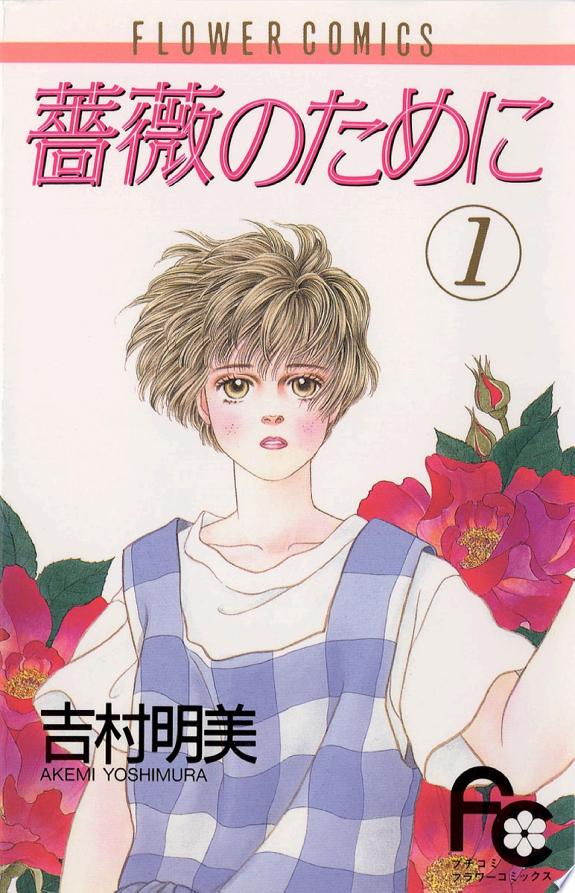
Bara no Tame ni
Bara no Tame ni follows Yuri Makurano, a plain, orphaned girl who learns her actress 'mother' is alive — along with three glamorous half-siblings — and a buried secret about her real parentage. An award-winning Shogakukan shojo drama by Akemi Yoshimura.
Romance / Drama
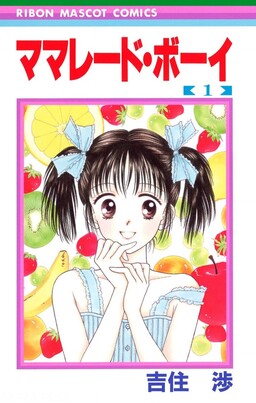
Marmalade Boy
Yu's review of Marmalade Boy — Miki Koishikawa's parents announce they are divorcing and remarrying other people; the other couple happens to have a son, Yuu, who moves into the same house; the series follows Miki's developing feelings for Yuu in this extremely unusual living situation.
Romance / Drama
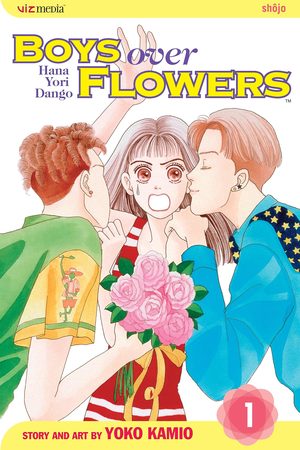
Boys Over Flowers (Hana Yori Dango)
Yu's review of Boys Over Flowers — Tsukushi Makino is a working-class scholarship student at Eitoku Academy, a school ruled by the F4. When she fights back against their bullying instead of breaking, she becomes the obsession of their leader, Tsukasa Domyoji.
Romance / Drama
Short Program
Short Program collects Mitsuru Adachi's short story manga — brief, precise studies of the moment when two people almost connect, or do connect, or miss each other by a margin that changes everything.
Romance / Drama
Sand Chronicles
Yu's review of Sand Chronicles — Ann Uekusa moves from Tokyo to rural Shimane after her parents' separation; her mother's death by suicide shapes everything that follows; the series follows Ann from childhood through adulthood with unflinching attention to grief, depression, and the slow work of becoming a whole person.
Written by
Yu
Manga Enthusiast from Japan
I grew up in Japan and manga literally saved me during a tough time in elementary school. My English isn't perfect, but my love for manga is real — and I want to share it with you.
Disclosure: This post contains affiliate links. As an Amazon Associate, I earn from qualifying purchases at no extra cost to you.