Orange Review: A Letter From the Future Arrives Too Late — Unless They Act Now
by Ichigo Takano
Read the first volume. If it doesn't hook you, put it down. It'll hook you.
Buy Orange on Amazon →*Affiliate link — I earn a small commission at no extra cost to you.
Quick Take
- A letter from the future gives Naho a chance to save her classmate Kakeru — the one she couldn't save the first time
- Orange is one of the most emotionally precise manga about depression, regret, and the weight of watching someone disappear
- 6 volumes complete; the kind of manga that stays with you
Who Is This Manga For?
- Readers who want romance manga with genuine emotional weight
- Anyone who has experienced grief or guilt about not acting when they could have
- Fans of manga about mental health treated with care and specificity
- Readers who want a short, complete, devastating story
Content Warnings & Age Rating
Age Rating: T (Teen) Content Warnings: Suicide is the central tragedy the story is trying to prevent; depression is depicted with real specificity; grief and survivor's guilt are prominent themes
This is handled with care but it is present throughout.
Yu's Rating
| Category | Score |
|---|---|
| Story Depth | ★★★★★ |
| Art Style | ★★★★☆ |
| Character Development | ★★★★★ |
| Accessibility for Non-Japanese Readers | ★★★★★ |
| Reread Value | ★★★★★ |
Story Overview
On the first day of her second year of high school, Naho Takamiya receives a letter. It is from herself, ten years in the future. The letter lists specific things that are going to happen — and one thing she must prevent. A new transfer student, Kakeru Naruse, will join the class. He will become her friend, then more than a friend. And he will die.
The letter is a list of regrets. The things future-Naho wishes she had done differently. What she should have said. Where she should have reached out. What she should not have held back.
Naho reads the letter and has to decide: does she believe it? And if she believes it, does she have the courage to do the things she failed to do the first time?
The series is about the specific difficulty of reaching someone who has decided to stop existing — not dramatically, but quietly, in all the small ways that depression makes a person disappear while still being present.
Characters
Naho Takamiya — Quiet, kind, and constitutionally unable to be direct. Her character flaw is precisely the flaw that makes the tragedy possible: she sees Kakeru struggling and cannot find the words to reach him. The letter forces her to override herself.
Kakeru Naruse — The series' most carefully drawn character. His depression is not theatrical — it is the specific weight of someone who has decided they are responsible for something they cannot undo. His moments of genuine happiness with the friend group make the danger more visible, not less.
Suwa Hiroto — Naho's other close friend, who also received a letter, and whose specific role in the plan to save Kakeru is the series' most quietly heartbreaking element.
Art Style
Takano's art is clean and emotionally legible — the face work in Orange is what makes it function. The moments when Kakeru is genuinely smiling and the moments when he is not are visually distinguishable in ways that reward rereading.
Cultural Context
Orange engages with Japanese youth suicide statistics — Japan has persistently high rates of youth suicide, and the specific social pressure and isolation that contribute to it are woven into Kakeru's situation. The series also draws on the Japanese concept of regret — the specific Japanese cultural weight of wishing you had done differently — and extends it into a science fiction premise.
What I Love About It
The letters. Each chapter, we see future-Naho's letter alongside present-Naho's experience. The gap between what future-Naho thought would happen and what actually happens — when Naho acts differently — is where the series lives. Some interventions work. Some do not. The uncertainty is the point.
What English-Speaking Fans Say
Orange is consistently cited by Western readers as one of the manga that most effectively depicts depression without either romanticizing it or reducing it to a plot device. The Suwa reveal — the extent to which others were also trying to reach Kakeru — generates almost universal emotional response.
Memorable Scene ⚠️ Spoiler Warning
The moment Naho finally says what the letter told her to say — directly, without flinching, to Kakeru's face — and Kakeru's response, which is not relief but something more complicated and real, is the scene that decides whether the series' premise earns itself.
Similar Manga
- A Silent Voice — Regret, repair, the weight of what was not said
- Your Lie in April — Loss and music, similar emotional weight
- March Comes in Like a Lion — Depression depicted carefully, slower pace
- Anohana — Loss and grief, supernatural framing
Reading Order / Where to Start
Volume 1 — the premise establishes completely and immediately.
Official English Translation Status
Seven Seas Entertainment published the complete series. Volumes 1-2 are available as an omnibus.
Pros & Cons
Pros
- One of the most precise depictions of depression in manga
- The time-letter conceit is used with full seriousness
- 6 volumes — complete and self-contained
- Every main character receives genuine development
Cons
- The suicide content is central — not suitable for readers currently struggling
- Some readers find the ending too hopeful given the premise
- Naho's passivity can frustrate before the letters force her to change
Format Comparison
| Format | Notes |
|---|---|
| Individual Volumes | Seven Seas; standard |
| Omnibus | Volumes available in omnibus format |
| Digital | Available |
Where to Buy
Read the first volume. If it doesn't hook you, put it down. It'll hook you.
This post contains affiliate links. If you purchase through these links, I may earn a small commission at no extra cost to you. As an Amazon Associate, I earn from qualifying purchases.
*Affiliate link — I earn a small commission at no extra cost to you.
More Manga You Might Like
Romance / Drama
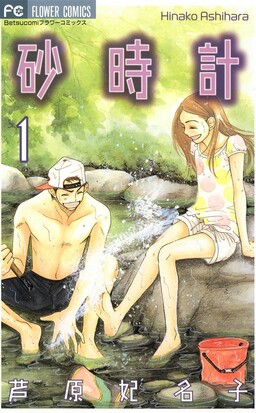
Sand Chronicles
Yu's review of Sand Chronicles — Ann Uekusa moves from Tokyo to rural Shimane after her parents' separation; her mother's death by suicide shapes everything that follows; the series follows Ann from childhood through adulthood with unflinching attention to grief, depression, and the slow work of becoming a whole person.

Romance / Drama
Fruits Basket
Yu's review of Fruits Basket — a girl who has lost everything moves in with a family cursed to transform into animals of the Chinese zodiac, and slowly melts the ice that generations of abuse built around their hearts.
Romance / Fantasy
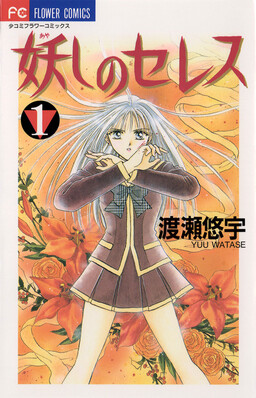
Ceres: Celestial Legend
Yu's review of Ceres: Celestial Legend — on her 16th birthday Aya Mikage learns she is the reincarnation of the celestial maiden Ceres, and that her own family tests and kills its children to stop Ceres's revenge. Yuu Watase's darkest, most adult shojo.

Romance / Drama
Cat Street
Yu's review of Cat Street by Yoko Kamio (Boys Over Flowers) — Keito Aoyama, a former child actress who froze on stage and shut herself away for years, enrolls in El Liston, a free school for kids who can't fit the normal one, and slowly learns how to be a person again.
Romance / Drama
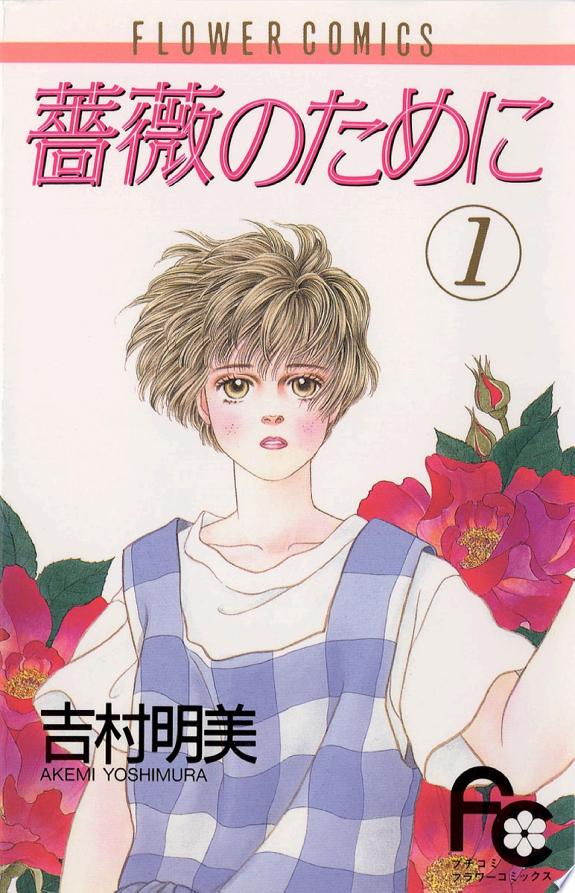
Bara no Tame ni
Bara no Tame ni follows Yuri Makurano, a plain, orphaned girl who learns her actress 'mother' is alive — along with three glamorous half-siblings — and a buried secret about her real parentage. An award-winning Shogakukan shojo drama by Akemi Yoshimura.
Romance / Drama
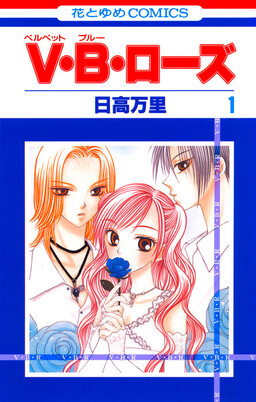
V.B. Rose
Yu's review of V.B. Rose — Ageha helps out at VB Rose, a boutique wedding dress shop run by two young men; her sister is getting married and Ageha becomes involved in making the dress; the craft focus and the shop's atmosphere form the backdrop for a romance with one of the shop's owners.
Written by
Yu
Manga Enthusiast from Japan
I grew up in Japan and manga literally saved me during a tough time in elementary school. My English isn't perfect, but my love for manga is real — and I want to share it with you.
Disclosure: This post contains affiliate links. As an Amazon Associate, I earn from qualifying purchases at no extra cost to you.