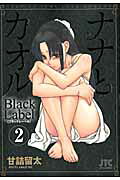
Nana to Kaoru Review: A Manga About Trust That Uses an Unusual Framework Honestly
by Ryuta Amazume
Read the first volume. If it doesn't hook you, put it down. It'll hook you.
Buy Nana to Kaoru on Amazon →*Affiliate link — I earn a small commission at no extra cost to you.
Quick Take
- Treats its subject matter with more psychological honesty than expected — it's genuinely about trust.
- Kaoru's devotion and Nana's gradual openness form a believable emotional arc.
- Not for everyone — the content is explicit — but it takes its themes seriously.
Who Is This Manga For?
- Fans of adult romance readers who want unusual character dynamics
- Readers who enjoy readers interested in manga that explores vulnerability and trust
- Anyone interested in fans of mature romance that goes beyond typical genre conventions
- People who like completionists of romance manga across the genre spectrum
Content Warnings & Age Rating
Age Rating: M (Mature) Content Warnings: BDSM themes, mature content, adult situations
Recommended for mature readers.
Yu's Rating
| Category | Score |
|---|---|
| Story Depth | ★★★☆☆ |
| Art Style | ★★★☆☆ |
| Character Development | ★★★★☆ |
| Accessibility for Non-Japanese Readers | ★★★★☆ |
| Reread Value | ★★★☆☆ |
Overall: 3/5 — More emotionally grounded than its premise suggests — for mature readers only.
Story Overview
Kaoru is a high school boy passionate about BDSM who has a secret crush on his overachieving neighbor Nana. When Nana's pressure-filled perfect life becomes overwhelming, she finds relief in "breather" sessions with Kaoru — consensual experiences that let her release control. Their sessions, conducted with care and negotiation, gradually build genuine intimacy and honest communication.
Characters
The cast of Nana to Kaoru is built around contrasting personalities that force each other to grow. The main character carries a mix of strength and vulnerability — enough to earn sympathy without feeling passive. Supporting characters each serve a distinct emotional function: some mirror the protagonist's flaws, others challenge their assumptions, and a few provide the warmth that makes the harder moments bearable.
Art Style
Ryuta Amazume's visual style suits the story it tells. Emotional moments land because facial expressions are drawn with real attention to subtlety — you rarely need dialogue to understand what a character is feeling. Background detail varies by scene, pulling back in quiet moments and getting tight and detailed when the stakes rise.
Cultural Context
Nana to Kaoru comes from Japanese attitudes toward alternative relationship dynamics and the cultural taboo that makes such relationships inherently hidden in school settings. English readers will find most of this translates naturally; a few cultural notes in good translations help bridge any remaining gaps.
What I Love About It
The manga is careful to portray consent and aftercare consistently. What could be exploitative becomes a study in how people allow themselves to be vulnerable with each other. The trust arc is the real story.
What English-Speaking Fans Say
Western readers who find this series often describe it as something they wish they'd found sooner. The emotional beats translate well; the universal themes of connection, loss, and growth resonate regardless of cultural background. Fans of similar series consistently recommend it as a must-read for genre newcomers and veterans alike.
Memorable Scene ⚠️ Spoiler Warning
There is a moment — usually in the middle or final act — where the story does something unexpected with a character you thought you understood. The setup is careful and patient. The payoff is sudden and complete. Readers report rereading earlier chapters afterward, finding all the foreshadowing they missed the first time.
Similar Manga
If you enjoyed Nana to Kaoru, try:
- Sundome — similarly mature romance with unusual dynamics
- Domestic Girlfriend — mature romantic drama (different tone)
- The World God Only Knows — contrast with lighter romance mechanics
Reading Order / Where to Start
Start from volume 1. This series builds its world and characters carefully from the first chapter — jumping in anywhere else means losing the context that makes later moments land. Volume 1 is a very strong opening; if you're not hooked by the end of it, this series may not be for you.
Official English Translation Status
Nana to Kaoru has been fully published in English. All 22 volumes are available.
Pros & Cons
Pros:
- Complete story with no wait for new volumes
- Strong character work and genuine emotional investment
- Psychological portrayal of consent and trust is consistently handled
Cons:
- Explicit content will not appeal to most readers
- The repetitive "session/reflection" structure can feel formulaic
Format Comparison
| Format | Pros | Cons |
|---|---|---|
| Physical | Best art reproduction | May require ordering online |
| Digital | Instant access, cheaper | Less collector value |
| Used | Very affordable | Condition and availability vary |
Where to Buy
Read the first volume. If it doesn't hook you, put it down. It'll hook you.
This post contains affiliate links. If you purchase through these links, I may earn a small commission at no extra cost to you. As an Amazon Associate, I earn from qualifying purchases.
*Affiliate link — I earn a small commission at no extra cost to you.
More Manga You Might Like

Romance / Drama
Mars
Yu's review of Mars — Kira Aso is a quiet art student who has withdrawn from people; Rei Kashino is a reckless motorcycle racer whose fearlessness on the track conceals what he's afraid of; they begin a relationship that requires both of them to confront what they've been avoiding.
Romance
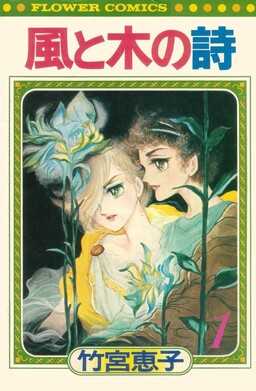
Kaze to Ki no Uta
Yu's review of Kaze to Ki no Uta — set in a 19th century French boarding school, the relationship between Serge, a half-Japanese student with a traumatic past, and Gilbert, a beautiful and sexually promiscuous boy whose behavior conceals something devastating; the manga that essentially created the Boys' Love genre, published between 1976 and 1984.
Romance / Fantasy
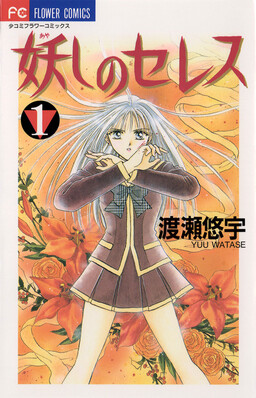
Ceres: Celestial Legend
Yu's review of Ceres: Celestial Legend — on her 16th birthday Aya Mikage learns she is the reincarnation of the celestial maiden Ceres, and that her own family tests and kills its children to stop Ceres's revenge. Yuu Watase's darkest, most adult shojo.
Romance / Drama
Video Girl Ai
Yu's review of Video Girl Ai — Yota Moteuchi is heartbroken after the girl he loves confesses her feelings to his best friend; he rents a video from a magical shop and the girl on the tape, Ai Amano, steps out of his television — damaged by his worn VCR, with a personality different from what was intended, and developing real feelings he wasn't supposed to create.
Romance / Comedy
Tramps Like Us
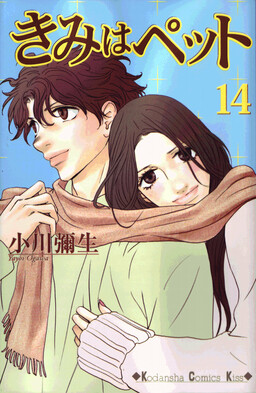
Yu's review of Tramps Like Us (Kimi wa Pet) — Sumire Iwaya is a successful career woman whose life is going exactly wrong: demoted, broken up with, alone; she finds a young man in a cardboard box and takes him in as her 'pet' Momo; the relationship explores power dynamics, vulnerability, and what people need from each other through a deliberately unconventional frame.
Romance
Ten Count
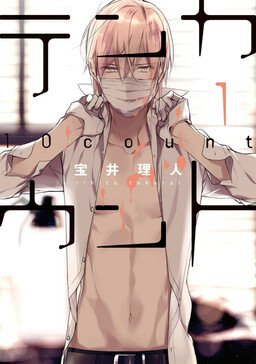
Yu's review of Ten Count — Tadaomi Shirotani, a corporate secretary with mysophobia and OCD, meets Riku Kurose, a therapist who recognizes his condition and offers to help him through a ten-step desensitization process; what develops between them is the series' central moral complication.
Written by
Yu
Manga Enthusiast from Japan
I grew up in Japan and manga literally saved me during a tough time in elementary school. My English isn't perfect, but my love for manga is real — and I want to share it with you.
Disclosure: This post contains affiliate links. As an Amazon Associate, I earn from qualifying purchases at no extra cost to you.