Nana Review: Two Girls With the Same Name and Completely Different Broken Hearts
by Ai Yazawa
Read the first volume. If it doesn't hook you, put it down. It'll hook you.
Buy Nana on Amazon →*Affiliate link — I earn a small commission at no extra cost to you.
Quick Take
- Two young women named Nana move to Tokyo and become the most important people in each other's lives — one chasing her boyfriend, one chasing her band's dream
- One of the most celebrated romance manga ever made, with an emotional honesty about adult love that most manga will not touch
- Be aware: on hiatus since 2009 due to Ai Yazawa's illness, and may never be completed
Who Is This Manga For?
- Adult readers who want romance that deals with real adult experience — jobs, apartments, band politics, complicated relationships
- Anyone who has had a friendship that felt more important than any romance
- Readers who can accept an incomplete story in exchange for 21 volumes of exceptional writing
- Fans of josei manga or mature romance that respects its characters' intelligence
Content Warnings & Age Rating
Age Rating: M (Mature) Content Warnings: Sexual content (tasteful, not explicit), substance use, mental health struggles, grief, complex relationship dynamics
This is an adult manga about adult lives. The content reflects that.
Yu's Rating
| Category | Score |
|---|---|
| Story Depth | ★★★★★ |
| Art Style | ★★★★★ |
| Character Development | ★★★★★ |
| Accessibility for Non-Japanese Readers | ★★★★☆ |
| Reread Value | ★★★★★ |
Story Overview
Two twenty-year-old women happen to share a train compartment on their way to Tokyo, both running toward something. Nana Komatsu — Hachi — is following her boyfriend and hoping that proximity will fix what is wrong with her relationship. Nana Osaki is following her punk band and the dream she has been building since high school.
They meet again by coincidence and end up sharing an apartment. Their friendship becomes the fixed point around which both their lives orbit — through relationships, breakups, music industry pressures, pregnancy, grief, and the general catastrophe of being young and in love with things that might not love you back.
Nana is often framed as a love story, and it is, but the love that matters most in it is not between any of the romantic pairs. It is between the two Nanas. Everything else — Hachi's romance with the beautiful rock star Takumi, Nana Osaki's past with her guitarist ex Ren — exists in the field created by their friendship.
Characters
Nana Komatsu (Hachi) — Impulsive, dependent, emotionally open, drawn to men who can take care of her and then hurt when they do exactly that. Her self-awareness about her own patterns is one of the most honest things in the manga.
Nana Osaki — Cool, controlled, hiding an enormous amount of grief behind leather and punk aesthetic. Her love for Hachi is the most uncomplicated thing in her complicated life.
Takumi Ichinose — Arguably the manga's most interesting character and certainly its most morally complicated. The manga does not let him be a simple villain.
Ren Honjou — Nana Osaki's ex and ongoing complication; his death (shown in the framing narrative) casts a shadow over the entire story.
Nobuo (Nobu) — The drummer Hachi also loves; their relationship is one of the great "what if" sorrows of the series.
Art Style
Yazawa's art is iconic — fashion-forward, expressive, with character designs so distinctive that fashion magazines have done features on Nana's wardrobe. Her characters look like real adults, not like teenagers drawn in an adult setting. The emotional expressiveness of her faces is extraordinary. The Tokyo setting is rendered with love for the city's texture.
Cultural Context
The Japanese music industry subculture — punk bands trying to get signed, the power dynamics between labels and artists, the specific world of visual kei and punk adjacent scenes — is depicted with insider detail. The manga was serialized in Cookie, a josei magazine, which means it was written for adult women who had already lived some version of what they were reading.
What I Love About It
I love the way Nana refuses to simplify any of its people. Takumi is controlling and cold and also clearly loves Hachi in the only way he knows how. Hachi is dependent and sometimes selfish and also genuinely warm and worth loving. Nana Osaki is cool and powerful and also terrified. The manga holds all of this simultaneously.
I love that the central relationship is a friendship. So much of what Nana is about — the reason both women make the choices they make, the reason they hold on to the apartment even when it would be easier to let go — is the friendship. It is the realest love story in the manga.
What English-Speaking Fans Say
Nana has one of the most devoted Western fanbases in manga, and also one of the most brokenhearted ones. The story has been on hiatus since 2009. Ai Yazawa became seriously ill and has not returned to it. There have been occasional messages from her thanking fans for their patience. The ending, whenever or whether it comes, is the thing Western fans have been waiting for longer than some of them have been adults.
The response to the story itself is consistent: readers call it among the best manga they have ever read and then immediately warn new readers that it is incomplete.
Memorable Scene ⚠️ Spoiler Warning
The scene where Hachi tells Nana she is pregnant — and both of them understand what it means for the life they built together — is the most devastating moment in the manga. Not because of the pregnancy itself, but because of the look on Nana Osaki's face, and the thing she does not say.
Similar Manga
- Fruits Basket — Different in tone, similar emotional depth and commitment to character
- Your Lie in April — Tragedy and love; less adult content, more accessible
- Paradise Kiss (also by Yazawa) — Shorter, complete, similarly fashion-forward
- Loveless — If you want something darker and stranger
Reading Order / Where to Start
Volume 1. The story has a framing narrative set some years in the future that reveals certain outcomes — this is intentional and part of how the manga builds its emotional weight.
Official English Translation Status
VIZ Media published 21 volumes before the hiatus. All 21 are available. No new volumes have been released since 2009, as the manga remains on hiatus. English editions are available and the translation is strong.
Pros & Cons
Pros
- One of the most emotionally honest manga about adult love ever written
- Extraordinary character work — every person feels completely real
- Art that is genuinely beautiful and fashion-historically interesting
- The central friendship is one of the great relationships in manga
Cons
- On hiatus since 2009; may never be completed
- 21 volumes with no ending is a real commitment to make with uncertain resolution
- Adult content and themes make it inappropriate for younger readers
Format Comparison
| Format | Notes |
|---|---|
| Individual Volumes | Standard release; VIZ editions are well-produced |
| Digital | Available; Yazawa's detailed art reads well on larger screens |
| Physical | Recommended — the art deserves the space |
Where to Buy
Read the first volume. If it doesn't hook you, put it down. It'll hook you.
This post contains affiliate links. If you purchase through these links, I may earn a small commission at no extra cost to you. As an Amazon Associate, I earn from qualifying purchases.
*Affiliate link — I earn a small commission at no extra cost to you.
More Manga You Might Like
Romance / Josei
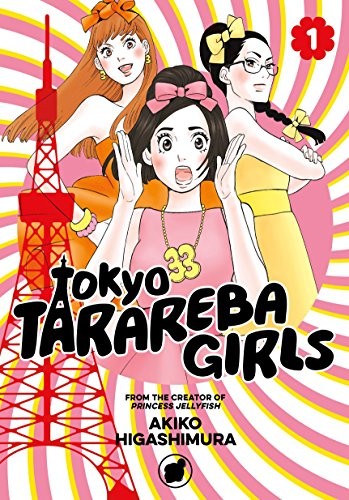
Tokyo Tarareba Girls
A review of Tokyo Tarareba Girls, Akiko Higashimura's brutally honest josei manga about three women in their thirties confronting their romantic failures.

Romance / Drama
We Were There
A high school love story that follows its couple deep into adulthood, through a four-year silence, a mother's suicide, and the slow work of finding each other again.
Romance / Drama
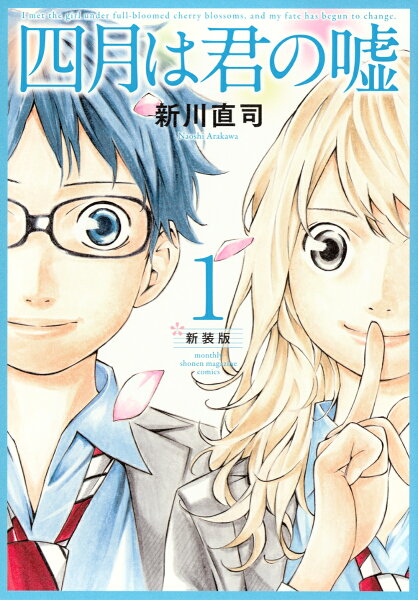
Your Lie in April
Yu's review of Your Lie in April — a piano prodigy who lost his ability to hear his own music after his mother's death meets a violinist who plays like she is throwing everything she has at the sky.
Romance / Music
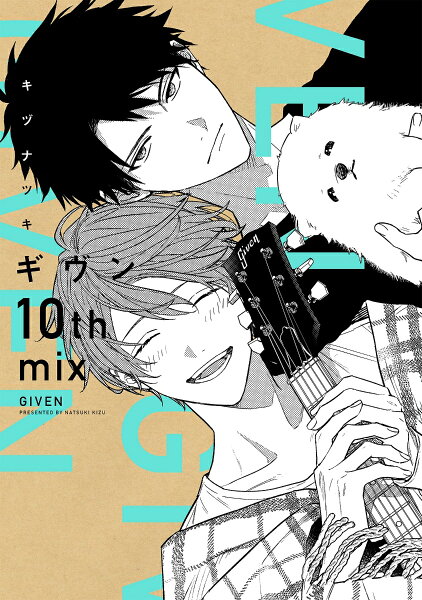
Given
A review of Given, the BL music manga about a guitarist who falls for a beautiful boy with an extraordinary voice and a devastating past.
Romance / Drama
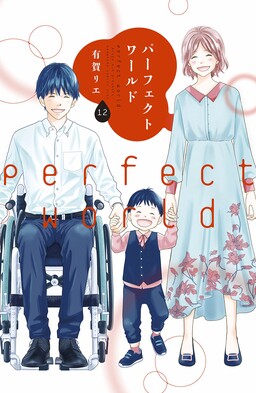
Perfect World
Yu's review of Perfect World — Tsugumi Kawana reconnects with her high school crush Itsuki Ayukawa, now an architect who uses a wheelchair after a spinal cord injury; the manga follows their relationship with honest attention to the practical, emotional, and social dimensions of disability in a romantic relationship.
Romance / Drama
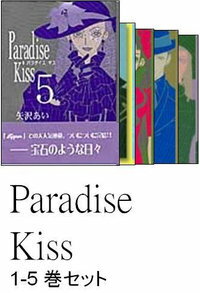
Paradise Kiss
Yu's review of Paradise Kiss — Yukari, a high-achieving student who has never questioned her path, is spotted by fashion students and asked to model their graduation collection; George, the designer, becomes the first person who sees who she might actually be.
Written by
Yu
Manga Enthusiast from Japan
I grew up in Japan and manga literally saved me during a tough time in elementary school. My English isn't perfect, but my love for manga is real — and I want to share it with you.
Disclosure: This post contains affiliate links. As an Amazon Associate, I earn from qualifying purchases at no extra cost to you.