Don't Toy With Me, Miss Nagatoro Review: A Girl Who Teases the Loner She's Fallen For — and Means Every Word of It
by Nanashi (774)
Read the first volume. If it doesn't hook you, put it down. It'll hook you.
Buy Don't Toy With Me, Miss Nagatoro on Amazon →*Affiliate link — I earn a small commission at no extra cost to you.
Quick Take
- One of the better "teasing girl likes shy guy" manga because Nagatoro's feelings are visible and genuine from early on — the comedy comes not from ambiguity about whether she likes him but from watching two people who aren't good at being direct about feelings dance around each other
- Senpai's development from pure victim to someone who genuinely responds to Nagatoro is the series' most satisfying arc
- 17+ volumes ongoing in English; one of the genre's most popular ongoing titles
Who Is This Manga For?
- Readers who enjoy romantic comedy where the romantic element is genuine rather than theoretical
- Anyone who finds the "teasing-as-affection" dynamic charming rather than frustrating
- Fans of school romance with a clearly defined central pair
- Readers who want ongoing romantic comedy with visible progress
Content Warnings & Age Rating
Age Rating: T (Teen) Content Warnings: Teasing that occasionally crosses into light bullying in early volumes; fan service elements consistent with seinen publication; school setting; the teasing dynamic may not be to all readers' taste
A T rating — the fan service is present but the series is primarily a romantic comedy.
Yu's Rating
| Category | Score |
|---|---|
| Story Depth | ★★★☆☆ |
| Art Style | ★★★★☆ |
| Character Development | ★★★★★ |
| Accessibility for Non-Japanese Readers | ★★★★★ |
| Reread Value | ★★★★☆ |
Story Overview
Senpai (never named) is a second-year high school boy who uses the deserted art club room to draw manga and be alone. Nagatoro is a first-year girl who discovers him there, reads his work, laughs at it, and begins visiting every day to tease him about everything.
The series follows their daily interactions — Nagatoro teasing, Senpai sometimes accepting it and sometimes pushing back, both of them slowly learning who the other person actually is. Nagatoro's friends join occasionally. Senpai's art improves. The gap between what they say and what they feel gradually narrows.
Characters
Nagatoro — A protagonist whose teasing is affection made visible for everyone except its target — her embarrassment when her feelings become too explicit, and her delight when she gets a reaction from Senpai, make her one of the genre's most expressive characters.
Senpai — The development from passive victim to someone who genuinely engages with Nagatoro — who teases back, who notices her, who cares about her opinion of his work — is the series' most satisfying arc and the reason the romance works.
Nagatoro's friends — Her social circle provides context for who Nagatoro is outside the art club room, and their growing awareness of what's happening between the two of them creates useful comedic perspective.
Art Style
774's art is expressive with a specific emphasis on Nagatoro's face — the variety of expressions, from gleeful cruelty to genuine embarrassment to quiet affection, is the series' most technically impressive element. Senpai's reactions carry equal weight in the comedic timing.
Cultural Context
The teasing-as-romance dynamic has a specific history in Japanese school romance manga — the idea that someone who treats you as a target for teasing is expressing something they can't say directly is a culturally recognizable shorthand. The series engages honestly with what that means rather than simply using it as an excuse for the protagonist to be treated poorly.
What I Love About It
The moment the series clicked for me was when I realized that Nagatoro's teasing is never actually mean — she never says anything genuinely cruel, never pushes past what Senpai can handle, and is immediately sensitive when she's gone too far. The teasing is affection in its own specific language, and once you hear it that way, the comedy becomes genuinely warm.
What English-Speaking Fans Say
Western readers divide roughly on Nagatoro based on how they read the teasing — those who read it as affection find the series warm and funny; those who read it as bullying find it uncomfortable. The consensus among readers who enjoy the genre is that Nagatoro herself is one of the better-characterized protagonists in school romantic comedy, and that Senpai's development is unusually satisfying.
Memorable Scene ⚠️ Spoiler Warning
The cultural festival arc, where Senpai exhibits his manga work and Nagatoro encounters it alongside strangers who don't know her connection to it — her reaction, which she can't control, makes her feelings visible to herself in a way the teasing never quite had to — is the series' most emotionally precise moment.
Similar Manga
- Teasing Master Takagi-san — Similar teasing dynamic, softer and more mutual
- My Senpai Is Annoying — Workplace teasing romance, similar warm dynamic
- Uzaki-chan Wants to Hang Out — Similar energetic girl and reserved guy, more slice-of-life
- Aharen-san — Quiet comedy romance, different register
Reading Order / Where to Start
Volume 1 — Nagatoro's discovery of Senpai and the establishment of their dynamic are in the first chapters.
Official English Translation Status
Kodansha Comics publishes the ongoing English series. 17+ volumes currently available.
Pros & Cons
Pros
- Nagatoro's feelings are visible and genuine from the start — no ambiguity frustration
- Senpai's development from passive to engaged is genuinely satisfying
- Comedic timing is consistently effective
- Ongoing with visible romantic progress
Cons
- Early volumes' teasing may be uncomfortable for some readers
- Fan service elements may not be to all tastes
- Ongoing with no complete resolution yet
Format Comparison
| Format | Notes |
|---|---|
| Individual Volumes | Kodansha Comics; ongoing |
| Digital | Available |
Where to Buy
Read the first volume. If it doesn't hook you, put it down. It'll hook you.
This post contains affiliate links. If you purchase through these links, I may earn a small commission at no extra cost to you. As an Amazon Associate, I earn from qualifying purchases.
*Affiliate link — I earn a small commission at no extra cost to you.
More Manga You Might Like
Romance / Comedy
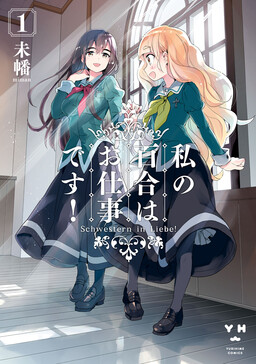
Yuri Is My Job!
Yu's review of Yuri Is My Job! — Hime Shiraki's entire identity is performing perfect femininity for public approval; working at Liebe Girls Academy café requires her to act out romantic yuri relationships with her coworkers for customers; her assigned partner Mitsuki hates her genuinely, and Hime begins to develop feelings that are not performance.
Romance
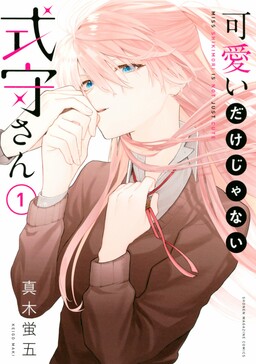
Shikimori's Not Just a Cutie
Yu's review of Shikimori's Not Just a Cutie — Izumi is a boy with the worst luck who is dating Shikimori, a girl who is sweet and feminine most of the time; but when Izumi is in danger, Shikimori shifts into a cool, intense mode that is completely different from her usual self, and which Izumi finds extremely appealing.

Romance / Comedy
Boarding School Juliet
Yu's review of Boarding School Juliet — at Dahlia Academy two rival nations share a campus through the Black Dog and White Cat dorms, and Black Dog leader Romio Inuzuka and White Cat leader Juliet Persia fall in love in chapter one, then spend 16 volumes trying to keep it secret long enough to change the world that would tear them apart.
Romance / Comedy
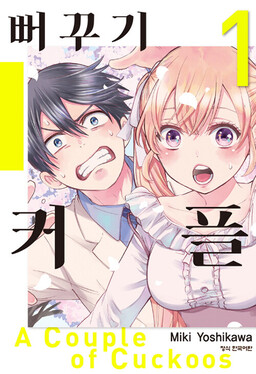
A Couple of Cuckoos
Yu's review of A Couple of Cuckoos — Nagi Umino discovers he was switched at birth with the daughter of a wealthy family; their parents decide the obvious solution is for the two teenagers to fake-date and eventually marry, which goes about as well as expected when both already have feelings for other people.
Romance / Comedy
Midori Days
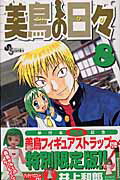
A review of Midori Days — Kazuro Inoue's eight-volume romantic comedy about high school delinquent Seiji Sawamura who wakes up one morning to find a miniature girl named Midori has replaced his right hand.

Romance / Music
Whisper Me a Love Song
Yu's review of Whisper Me a Love Song — Himari falls in love at first sight after hearing her senpai Yori perform at a school concert; when she confesses to Yori that she loves her, Yori thinks Himari means as a fan; the series follows the slow clarification of what both of them actually feel.
Written by
Yu
Manga Enthusiast from Japan
I grew up in Japan and manga literally saved me during a tough time in elementary school. My English isn't perfect, but my love for manga is real — and I want to share it with you.
Disclosure: This post contains affiliate links. As an Amazon Associate, I earn from qualifying purchases at no extra cost to you.