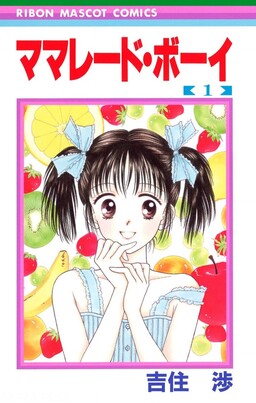
Marmalade Boy Review: Her Parents Divorced, Remarried Each Other's Spouses, and Now She Lives With Her Crush
by Wataru Yoshizumi
Read the first volume. If it doesn't hook you, put it down. It'll hook you.
Buy Marmalade Boy on Amazon →*Affiliate link — I earn a small commission at no extra cost to you.
Quick Take
- The shojo romance with the most audacious premise of the 1990s — the living situation alone is enough to drive a dozen volumes of romantic tension
- Yoshizumi uses the domestic proximity to generate romantic chemistry that other series would need elaborate plot contrivances to achieve
- 8 volumes complete; a defining 90s shojo romance with a premise that has not been repeated
Who Is This Manga For?
- Readers who enjoy romantic tension generated by situation rather than external obstacles
- Anyone who wants classic 1990s shojo with a distinctive premise
- Fans of slow-burn romance with genuine domestic warmth
- Readers who want completed romance with a satisfying conclusion
Content Warnings & Age Rating
Age Rating: T (Teen) Content Warnings: The parental remarriage situation is unconventional and the series acknowledges its complexity; romantic jealousy throughout; some mature romantic content in later volumes
The T rating is accurate.
Yu's Rating
| Category | Score |
|---|---|
| Story Depth | ★★★★☆ |
| Art Style | ★★★★☆ |
| Character Development | ★★★★☆ |
| Accessibility for Non-Japanese Readers | ★★★★☆ |
| Reread Value | ★★★★☆ |
Story Overview
Miki Koishikawa comes home to find her parents calmly announcing that they are divorcing and each remarrying someone they met on vacation. The other couple — the Matsuuras — are moving in. The Matsuura son, Yuu, will share the house.
Yuu is alternately charming and infuriating — he teases Miki, is perceptive about her feelings, and is generally impossible to read. The living arrangement means constant proximity. Miki's feelings, which begin as irritation, become something else.
The series follows their relationship through the complications of a family structure that everyone involved has to invent as they go. The parents' cheerful acceptance of their unusual situation is both comedic and genuinely warm — they are happy people making an unconventional choice.
Characters
Miki Koishikawa — Her specific quality is the frustration of someone whose feelings are clearly visible to everyone, including the person she's trying to conceal them from. Her gradual acceptance of what she wants is the series' emotional arc.
Yuu Matsuura — The "marmalade boy" of the title — sweet and sharp simultaneously. His actual feelings are the series' main mystery: he is clearly interested, he is clearly holding back something.
Art Style
Yoshizumi's art is quintessential 1990s shojo — expressive characters, emotional panel compositions, and a warm visual style that suits the domestic comedy. The character designs are appealing and distinctive.
Cultural Context
Marmalade Boy was serialized in Ribon in the early 1990s and adapted into a popular anime. It represents the mid-90s shojo romance style — relationship-focused, humor-balanced, with enough drama to maintain tension without becoming dark. The premise, while unusual by any standard, is handled with the cheerful pragmatism that characterizes Yoshizumi's approach.
What I Love About It
The household scenes — when both couples and both teenagers are all present and the domestic comedy of this extremely unusual family arrangement plays out. The series' specific warmth comes from the fact that all four parents are genuinely happy people who like each other, which makes the situation funny rather than troubling.
What English-Speaking Fans Say
Western readers who grew up with the Marmalade Boy anime describe the manga as more satisfying — the pacing is tighter and the relationship development is clearer. The premise is consistently cited as what distinguishes it from standard high-school romance. Yuu's eventual revelation is noted as paying off the mystery the series establishes.
Memorable Scene ⚠️ Spoiler Warning
The scene where Yuu finally explains what he has been concealing — why he has been simultaneously pursuing and holding back — and what this reveals about his actual feelings and what they were protecting is the series' most precisely constructed emotional reversal.
Similar Manga
- Kare Kano — 90s shojo romance with more psychological depth
- Love Hina — Domestic romantic comedy with shared living situation
- Peach Girl — 90s/2000s shojo with romantic jealousy focus
- Boys Over Flowers — 90s shojo with complex romantic dynamics
Reading Order / Where to Start
Volume 1 — The family announcement, Yuu's arrival, and the establishment of the domestic dynamic.
Official English Translation Status
TOKYOPOP published all 8 volumes. Out of print but widely available used.
Pros & Cons
Pros
- The premise generates romantic tension with unusual efficiency
- The household setting provides natural comedic and emotional situations
- Both protagonists are genuinely likable
- Compact 8 volumes with a satisfying complete arc
Cons
- Out of print — used copies only
- The premise requires accepting a fair amount of genre convention
- Some plot complications in later volumes feel contrived even by romance manga standards
Format Comparison
| Format | Notes |
|---|---|
| Individual Volumes | TOKYOPOP (out of print); available used |
| Digital | Limited |
Where to Buy
Read the first volume. If it doesn't hook you, put it down. It'll hook you.
This post contains affiliate links. If you purchase through these links, I may earn a small commission at no extra cost to you. As an Amazon Associate, I earn from qualifying purchases.
*Affiliate link — I earn a small commission at no extra cost to you.
More Manga You Might Like

Romance / Drama
Fruits Basket
Yu's review of Fruits Basket — a girl who has lost everything moves in with a family cursed to transform into animals of the Chinese zodiac, and slowly melts the ice that generations of abuse built around their hearts.
Romance / Drama
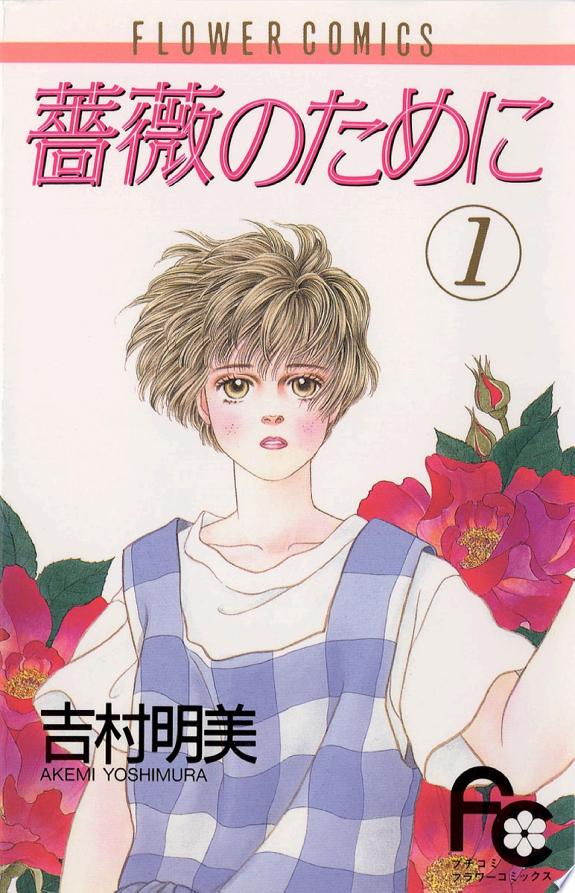
Bara no Tame ni
Bara no Tame ni follows Yuri Makurano, a plain, orphaned girl who learns her actress 'mother' is alive — along with three glamorous half-siblings — and a buried secret about her real parentage. An award-winning Shogakukan shojo drama by Akemi Yoshimura.
Romance / Drama
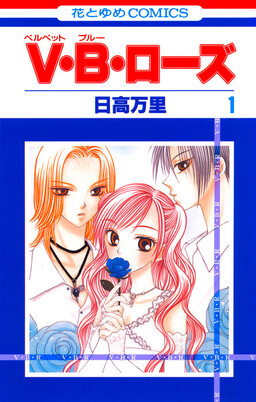
V.B. Rose
Yu's review of V.B. Rose — Ageha helps out at VB Rose, a boutique wedding dress shop run by two young men; her sister is getting married and Ageha becomes involved in making the dress; the craft focus and the shop's atmosphere form the backdrop for a romance with one of the shop's owners.
Romance / Drama
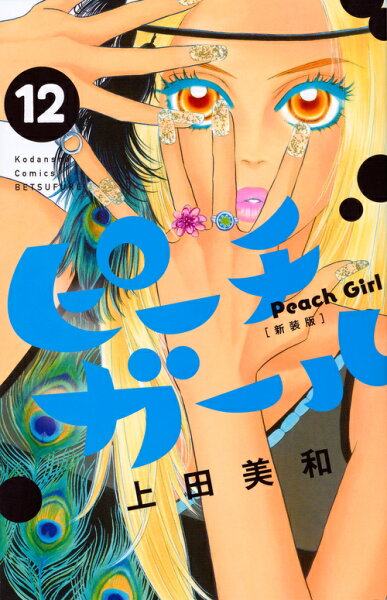
Peach Girl
Yu's review of Peach Girl — Momo Adachi's tan skin from swimming makes others assume she's a gyaru; her best friend Sae is actually her manipulative enemy; she is caught between two boys while Sae engineers situations against her.
Romance / Drama
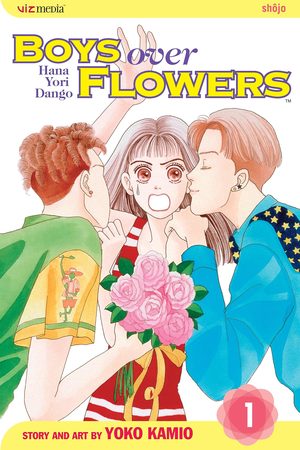
Boys Over Flowers (Hana Yori Dango)
Yu's review of Boys Over Flowers — Tsukushi Makino is a working-class scholarship student at Eitoku Academy, a school ruled by the F4. When she fights back against their bullying instead of breaking, she becomes the obsession of their leader, Tsukasa Domyoji.
Romance / Drama
Short Program
Short Program collects Mitsuru Adachi's short story manga — brief, precise studies of the moment when two people almost connect, or do connect, or miss each other by a margin that changes everything.
Written by
Yu
Manga Enthusiast from Japan
I grew up in Japan and manga literally saved me during a tough time in elementary school. My English isn't perfect, but my love for manga is real — and I want to share it with you.
Disclosure: This post contains affiliate links. As an Amazon Associate, I earn from qualifying purchases at no extra cost to you.