
Lovely Complex Review: Too Tall and Too Short, and Perfect Together
by Aya Nakahara
Read the first volume. If it doesn't hook you, put it down. It'll hook you.
Buy Lovely Complex on Amazon →*Affiliate link — I earn a small commission at no extra cost to you.
Quick Take
- The tallest girl and the shortest boy in class bicker constantly, get mistaken for a comedy duo, and slowly fall in love while insisting they definitely are not
- One of the warmest, funniest romance manga of the 2000s, set in Osaka with all the specific comedy that implies
- 17 volumes, complete, with a satisfying romantic ending
Who Is This Manga For?
- Readers who want romantic comedy where the comedy is genuinely funny
- Fans of Osaka setting and Kansai dialect humor (translated inventively by VIZ)
- Anyone who wants a romance where both leads are equally silly and equally lovable
- Readers looking for a classic shojo with real warmth
Content Warnings & Age Rating
Age Rating: T (Teen) Content Warnings: Mild suggestive content in later volumes
Broadly accessible. Warm, funny, appropriate for most readers.
Yu's Rating
| Category | Score |
|---|---|
| Story Depth | ★★★☆☆ |
| Art Style | ★★★★☆ |
| Character Development | ★★★★☆ |
| Accessibility for Non-Japanese Readers | ★★★★☆ |
| Reread Value | ★★★★☆ |
Story Overview
Risa Koizumi is 172cm tall — a giant by Japanese high school girl standards. Atsushi Otani is 156cm — noticeably short for a Japanese high school boy. They are constantly mistaken for a comedy duo. They bicker constantly. They are both trying to get the attention of someone else.
When both of their romantic prospects go elsewhere, they end up spending time together, being each other's comedic support through the disappointment. And somewhere in the bickering and the shared jokes and the specific way they make each other laugh, something happens.
Lovely Complex is set in Osaka, which gives it a particular flavor — Osaka comedy culture, the specific rhythm of Kansai banter, the warmth of a city that takes its humor seriously. The manga uses this setting authentically, and the VIZ translation makes inventive choices to carry the dialect humor into English.
Characters
Risa Koizumi — Loud, emotional, completely honest about her feelings (to everyone except the person she likes), and genuinely funny. Her height complex is real and the manga treats it seriously while also mining it for comedy.
Atsushi Otani — Dense in exactly the way shojo male leads are supposed to be, but dense in a specific Osaka way that is more lovable than frustrating. His eventual recognition of his own feelings is handled with appropriate comedy.
The friend group — A well-drawn ensemble whose own relationships develop alongside the central romance.
Art Style
Nakahara's art is expressive and designed for comedy — big reactions, physical gags, the visual timing that makes comedy manga work. The height difference between Risa and Otani is used consistently as both gag and visual shorthand for their relationship. The art becomes more polished across the 17 volumes.
Cultural Context
Osaka has a specific identity in Japan as the comedy capital — people from Osaka are expected to be funny, expect others to be funny, and engage with humor as a primary mode of relating. Lovely Complex is completely embedded in this culture. The banter between Risa and Otani is an Osaka banter, with specific rhythms and expectations. This is mostly accessible to non-Japanese readers but knowing the context makes it richer.
What I Love About It
The confession scene — when one of them finally says something real, and what the other does with it — is the manga doing what it does best: taking a moment that could be pure drama and making it funny without making it less meaningful. That ability to hold comedy and sincerity simultaneously is Nakahara's particular gift.
I also love that both characters are equally ridiculous. There is no cool, collected love interest here. There is a tall girl and a short boy who are both fully capable of complete embarrassment, and their mutual embarrassment is the basis of their relationship.
What English-Speaking Fans Say
Lovely Complex has a warm nostalgic following among Western readers who read it in the 2000s-2010s, and newer readers who discover it through recommendations still respond strongly to it. The Osaka comedy translates well in the VIZ edition. The most common comment is that it is "underrated" — less famous than comparable shojo but equally good. The ending is considered satisfying.
Memorable Scene ⚠️ Spoiler Warning
The Christmas Eve scene — the setup, the misunderstanding, the emotional fallout, and the resolution — is the manga's emotional center and one of the more genuinely affecting moments in shojo comedy. It manages to be both funny and devastating within a few pages, which is exactly what this manga does.
Similar Manga
- Kaguya-sama: Love Is War — More strategic comedy, less warm
- Ouran High School Host Club — Similar era, similar warmth
- Horimiya — More modern, less comedic, similarly warm
- Toradora (manga adaptation) — Similar height-complex comedy setup
Reading Order / Where to Start
Volume 1. The setup is the first chapter and the comedy is immediate.
Official English Translation Status
VIZ Media published the complete 17-volume series. All volumes available. The translation is one of the better shojo translations of its era.
Pros & Cons
Pros
- Genuine comedy from two equally ridiculous leads
- Osaka setting adds specific flavor
- 17 volumes, complete, satisfying ending
- Warm without being saccharine
Cons
- 17 volumes is a longer commitment for a comedy
- Some middle volumes feel like wheel-spinning
- The height joke, while not the only joke, is frequent enough to notice
Format Comparison
| Format | Notes |
|---|---|
| Individual Volumes | Standard VIZ release |
| Digital | Works fine |
| Physical | Fine |
Where to Buy
Read the first volume. If it doesn't hook you, put it down. It'll hook you.
This post contains affiliate links. If you purchase through these links, I may earn a small commission at no extra cost to you. As an Amazon Associate, I earn from qualifying purchases.
*Affiliate link — I earn a small commission at no extra cost to you.
More Manga You Might Like

Romance / Comedy
Yuukan Club
Yuukan Club follows six ultra-wealthy high school students who form the Leisure Club and stumble into mysteries, adventures, and romantic entanglements while maintaining an existence so extravagant it functions as its own genre of comedy.
Romance / Comedy
Ouran High School Host Club
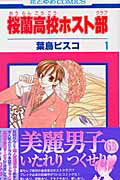
Yu's review of Ouran High School Host Club — a scholarship student at an elite school accidentally breaks a vase and must join the Host Club to pay off the debt, in a manga that satirizes shojo tropes while being genuinely charming.
Romance / Comedy
Maid Sama!
Yu's review of Maid Sama! — Misaki Ayuzawa is the iron-fisted student council president of a formerly all-boys school; she works secretly at a maid café to support her family; the school's most popular boy discovers her secret and holds it over her, but not in the way she expects.
Romance / Comedy
Urusei Yatsura
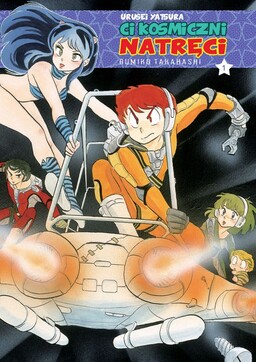
Yu's review of Urusei Yatsura — Earth is invaded by aliens; a random lottery selects Ataru Moroboshi to compete against the alien princess Lum in a game of tag; he wins by grabbing her horns; his victory declaration is mistaken for a marriage proposal; Lum moves into his house; Ataru continues to chase every other girl he sees while Lum insists on being his wife.
Romance / Comedy
Toradora!
Yu's review of Toradora! — a delinquent-looking boy and a tiny, terrifying girl make a deal to help each other confess to the other's best friend, and discover they had the wrong target all along.
Romance / Comedy
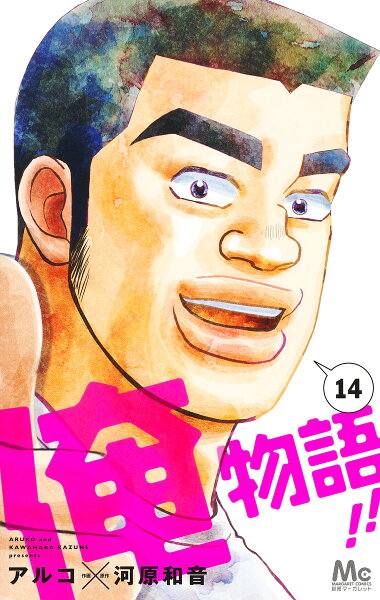
My Love Story!!
Yu's review of My Love Story!! — a huge, scary-looking boy with no luck with girls saves a girl from a groper on the train, and she falls in love with him — not his handsome best friend.
Written by
Yu
Manga Enthusiast from Japan
I grew up in Japan and manga literally saved me during a tough time in elementary school. My English isn't perfect, but my love for manga is real — and I want to share it with you.
Disclosure: This post contains affiliate links. As an Amazon Associate, I earn from qualifying purchases at no extra cost to you.