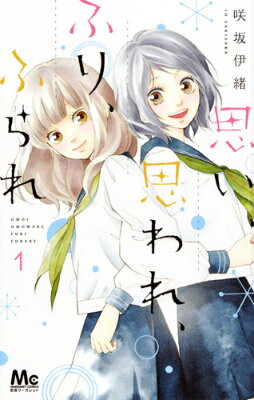
Love Me, Love Me Not Review: Two Girls and Two Boys, and the Question of What It Means to Love Openly
by Io Sakisaka
Read the first volume. If it doesn't hook you, put it down. It'll hook you.
Buy Love Me, Love Me Not on Amazon →*Affiliate link — I earn a small commission at no extra cost to you.
Quick Take
- Io Sakisaka (Ao Haru Ride, Strobe Edge) returns with a four-person romance where the contrast between emotional openness and emotional restraint is the theme
- Warm, character-driven, and carefully structured; the friendship between Yuna and Akari is as important as the romance
- 12 volumes, complete
Who Is This Manga For?
- Fans of Io Sakisaka's earlier work who want her at her most deliberately structured
- Readers who want shojo romance where the female friendship is central
- Anyone who appreciates romance manga that examines how people love rather than just who
- Readers who want a complete, warm series with a satisfying ending
Content Warnings & Age Rating
Age Rating: T (Teen) Content Warnings: Mild romantic content
Fully comfortable for all readers.
Yu's Rating
| Category | Score |
|---|---|
| Story Depth | ★★★★☆ |
| Art Style | ★★★★★ |
| Character Development | ★★★★★ |
| Accessibility for Non-Japanese Readers | ★★★★★ |
| Reread Value | ★★★★☆ |
Story Overview
Yuna and Akari are new neighbors and new classmates. Yuna is quiet, careful with her feelings, someone who has never said what she wants. Akari says everything she feels immediately and is sometimes embarrassed by how openly she expresses herself.
Rio Yamamoto is Akari's stepbrother. Kazuomi Inui is Rio's best friend. The four of them begin interacting, and the two pairs of feelings that develop are shaped entirely by the difference between saying and not saying.
Sakisaka constructs the series around that difference deliberately — she is examining what it costs to withhold feelings and what it risks to express them.
Characters
Yuna Ichijou — Her restraint is not shyness but habit; she grew up in an environment that didn't reward expressing feelings, and the series is about her learning to try.
Akari Yamamoto — Her openness is not carelessness; she has been hurt by expressing herself and does it anyway because she believes it's right. Her courage is the series' moral center.
Rio Yamamoto — Complex, with history that informs his relationship with Akari; his arc is the series' most structurally careful.
Kazuomi Inui — A character whose surface and interior are significantly different; his relationship with Yuna develops slowly and honestly.
Art Style
Sakisaka's art is warm and precise — her character expressions during emotional turning points are consistently excellent, and the four characters are visually distinctive enough to be immediately identifiable across any scene. Her art style has matured significantly from Strobe Edge through this series.
Cultural Context
Love Me, Love Me Not engages with a tension in Japanese social culture between tatemae (public face, restraint) and honne (true feelings) — Yuna represents the cultural norm of emotional restraint, Akari the exception of honesty. Sakisaka asks whether one approach to love is better than the other.
What I Love About It
Akari's courage. She says what she feels knowing it might not be returned. In a genre full of protagonists who suppress feelings for hundreds of chapters, watching a character who simply says them — and examines what that costs, honestly — is genuinely refreshing. Sakisaka wrote her as the standard the series holds.
What English-Speaking Fans Say
Western readers who have followed Sakisaka's work consider Love Me, Love Me Not her most intentionally constructed series — more deliberately thematic than Strobe Edge or Ao Haru Ride while retaining their warmth. The Akari character is consistently cited as one of shojo's most appealing recent protagonists.
Memorable Scene ⚠️ Spoiler Warning
Yuna saying what she has been unable to say — the first time she does it, with full knowledge that it might not be received how she hopes — is the series' emotional completion. Sakisaka built toward it from chapter one.
Similar Manga
- Ao Haru Ride — Same author; similar emotional intelligence
- Strobe Edge — Same author; one of shojo's finest
- Blue Flag — Similar four-person dynamic, LGBTQ+ themes
- Shortcake Cake — Similar warmth and careful romance
Reading Order / Where to Start
Volume 1 — the four-person dynamic establishes in the first two chapters.
Official English Translation Status
VIZ Media published the complete 12-volume series. All volumes available.
Pros & Cons
Pros
- 12 volumes, complete
- The friendship between Yuna and Akari is as developed as the romance
- Sakisaka's thematic construction is the most deliberate of her major works
- Akari's courage is genuinely inspiring
Cons
- The deliberate structure can feel slow in the middle volumes
- Some readers will prefer the faster emotional escalation of Ao Haru Ride
Format Comparison
| Format | Notes |
|---|---|
| Individual Volumes | VIZ Media; standard |
| Digital | Available |
Where to Buy
Read the first volume. If it doesn't hook you, put it down. It'll hook you.
This post contains affiliate links. If you purchase through these links, I may earn a small commission at no extra cost to you. As an Amazon Associate, I earn from qualifying purchases.
*Affiliate link — I earn a small commission at no extra cost to you.
More Manga You Might Like
Romance / Shojo
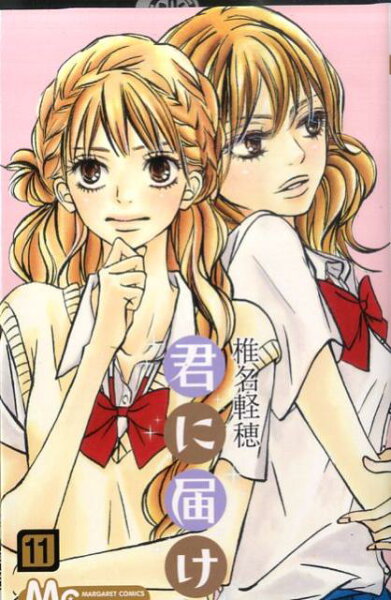
Kimi ni Todoke: From Me to You
Yu's review of Kimi ni Todoke — Sawako Kuronuma is avoided by her classmates because she resembles the horror movie character Sadako, but when the most popular boy in class actually speaks to her, her world begins to change.
Romance / Slice of Life
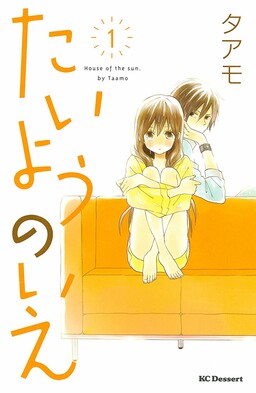
House of the Sun (Taiyou no Ie)
Yu's review of House of the Sun (Taiyou no Ie) — Mao Motomiya, whose home life fell apart when her father remarried, finds herself staying at the house of Hiro, her cheerful childhood friend; his large, warm family gradually becomes the home she didn't know she needed, and the romance that develops is built on that foundation.
Romance / Drama
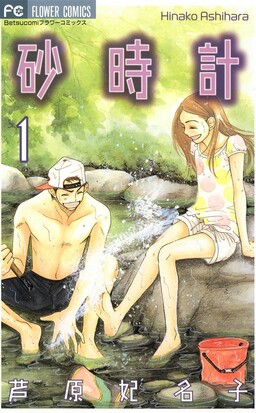
Sand Chronicles
Yu's review of Sand Chronicles — Ann Uekusa moves from Tokyo to rural Shimane after her parents' separation; her mother's death by suicide shapes everything that follows; the series follows Ann from childhood through adulthood with unflinching attention to grief, depression, and the slow work of becoming a whole person.
Romance / Drama
Orange
Yu's review of Orange — on the first day of high school, Naho receives a letter from herself ten years in the future, listing the regrets she has about a classmate named Kakeru, and warning her to save him before it's too late.
Romance / Comedy
My Love Story!!
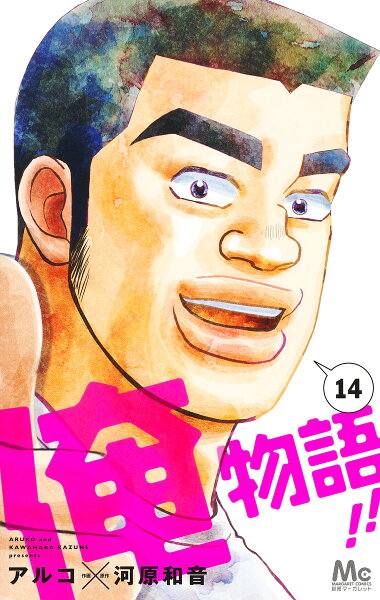
Yu's review of My Love Story!! — a huge, scary-looking boy with no luck with girls saves a girl from a groper on the train, and she falls in love with him — not his handsome best friend.
Romance
Hibi Chouchou: Everyday Butterflies
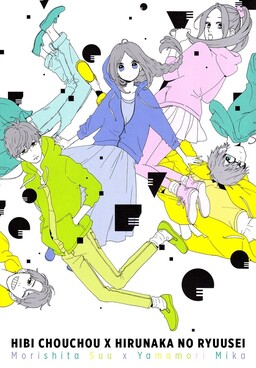
Yu's review of Hibi Chouchou: Everyday Butterflies — Suiren Shibazeki is so beautiful and quiet that people find her unapproachable; Kawasumi is so internally focused that he barely notices others; they notice each other, and what follows is one of the most unhurried and genuinely tender slow-burn romances in shojo manga.
Written by
Yu
Manga Enthusiast from Japan
I grew up in Japan and manga literally saved me during a tough time in elementary school. My English isn't perfect, but my love for manga is real — and I want to share it with you.
Disclosure: This post contains affiliate links. As an Amazon Associate, I earn from qualifying purchases at no extra cost to you.