Let Dai Review: The Korean Manhwa That Portrays Obsessive Love Without Making It Romantic
by Woon Soo-Yeon
Read the first volume. If it doesn't hook you, put it down. It'll hook you.
Buy Let Dai on Amazon →*Affiliate link — I earn a small commission at no extra cost to you.
Quick Take
- Let Dai portrays obsessive love accurately — as beautiful, damaging, and not something to replicate.
- The art style is distinctive and expressive, particularly in emotional scenes.
- Controversial for good reason — this manga is not comfortable, and it shouldn't be.
Who Is This Manga For?
- Fans of mature readers who can engage critically with dark relationship dynamics
- Readers who enjoy manhwa readers interested in controversial, emotionally intense stories
- Anyone interested in readers who want to understand the "dark romance" genre from a critical position
- People who like Korean manhwa completionists exploring the breadth of the medium
Content Warnings & Age Rating
Age Rating: M (Mature) Content Warnings: violence, obsessive relationships, assault themes, mature content
Recommended for mature readers.
Yu's Rating
| Category | Score |
|---|---|
| Story Depth | ★★★☆☆ |
| Art Style | ★★★☆☆ |
| Character Development | ★★★★☆ |
| Accessibility for Non-Japanese Readers | ★★★★☆ |
| Reread Value | ★★★☆☆ |
Overall: 3/5 — Emotionally intense and deliberately uncomfortable — requires critical engagement.
Story Overview
Jaehee is a gentle, ordinary boy who becomes entangled with Dai — beautiful, violent, the leader of a dangerous gang. Dai is drawn to Jaehee's goodness with the possessiveness of someone who has never had something soft in their world. Their relationship is defined by power imbalance, violence, and a genuine connection that neither character can fully explain or escape.
Characters
The cast of Let Dai is built around contrasting personalities that force each other to grow. The main character carries a mix of strength and vulnerability — enough to earn sympathy without feeling passive. Supporting characters each serve a distinct emotional function: some mirror the protagonist's flaws, others challenge their assumptions, and a few provide the warmth that makes the harder moments bearable.
Art Style
Woon Soo-Yeon's visual style suits the story it tells. Emotional moments land because facial expressions are drawn with real attention to subtlety — you rarely need dialogue to understand what a character is feeling. Background detail varies by scene, pulling back in quiet moments and getting tight and detailed when the stakes rise.
Cultural Context
Let Dai comes from Korean urban gang culture and the manhwa tradition of emotional extremity that differs from Japanese manga conventions. English readers will find most of this translates naturally; a few cultural notes in good translations help bridge any remaining gaps.
What I Love About It
I read this manga understanding that it is documenting something damaging, not endorsing it. Woon Soo-Yeon is honest about the destruction these two cause — to themselves and others. That honesty makes it more valuable than a sanitized version would be.
What English-Speaking Fans Say
Western readers who find this series often describe it as something they wish they'd found sooner. The emotional beats translate well; the universal themes of connection, loss, and growth resonate regardless of cultural background. Fans of similar series consistently recommend it as a must-read for genre newcomers and veterans alike.
Memorable Scene ⚠️ Spoiler Warning
There is a moment — usually in the middle or final act — where the story does something unexpected with a character you thought you understood. The setup is careful and patient. The payoff is sudden and complete. Readers report rereading earlier chapters afterward, finding all the foreshadowing they missed the first time.
Similar Manga
If you enjoyed Let Dai, try:
- Nana by Ai Yazawa — similarly honest about love that damages
- Our Happy Hours — another emotionally intense manhwa that takes its themes seriously
- Tokyo Ghoul — dark narrative that portrays its darkness honestly rather than glamourizing it
Reading Order / Where to Start
Start from volume 1. This series builds its world and characters carefully from the first chapter — jumping in anywhere else means losing the context that makes later moments land. Volume 1 is a very strong opening; if you're not hooked by the end of it, this series may not be for you.
Official English Translation Status
Let Dai has been fully published in English. All 15 volumes are available.
Pros & Cons
Pros:
- Complete story with no wait for new volumes
- Strong character work and genuine emotional investment
- The art is genuinely beautiful and emotionally expressive throughout
Cons:
- The relationship dynamics are disturbing — requires reader awareness and maturity
- The controversial content means this is not appropriate for young readers
Format Comparison
| Format | Pros | Cons |
|---|---|---|
| Physical | Best art reproduction | May require ordering online |
| Digital | Instant access, cheaper | Less collector value |
| Used | Very affordable | Condition and availability vary |
Where to Buy
Read the first volume. If it doesn't hook you, put it down. It'll hook you.
This post contains affiliate links. If you purchase through these links, I may earn a small commission at no extra cost to you. As an Amazon Associate, I earn from qualifying purchases.
*Affiliate link — I earn a small commission at no extra cost to you.
More Manga You Might Like
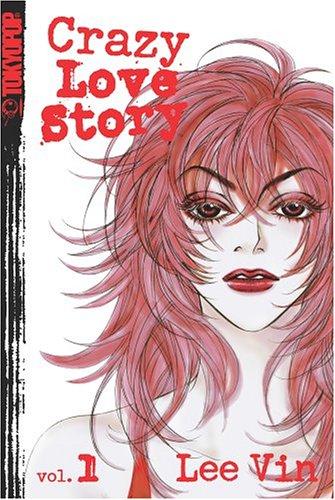
Romance / Drama
Crazy Love Story
A review of Crazy Love Story, the dark Korean manhwa about intense, dangerous first love between a high school girl and a dangerous older man.
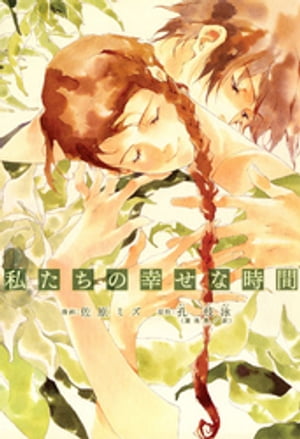
Drama / Romance
Our Happy Hours
A review of Our Happy Hours, the manhwa adaptation of Gong Ji-Young's novel about a suicidal woman who visits a death row inmate and finds unexpected healing.
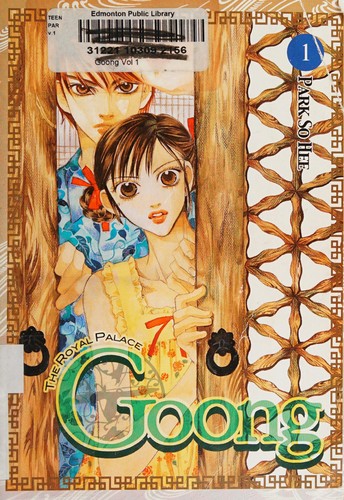
Romance / Drama
Goong (Palace)
A review of Goong, the Korean manhwa set in an alternate Korea where the monarchy still exists — and a commoner girl is engaged to the Crown Prince.
Romance / Drama
My ID is Gangnam Beauty
A review of My ID is Gangnam Beauty, the Naver webtoon by Gi Maeng-gi about a college freshman whose new face didn't end the judgment — it just changed who was doing the judging.
Romance / Drama
True Beauty
A review of True Beauty, the Korean webtoon romance about a girl who transforms herself with makeup and the boys who fall for both sides of her.

Romance
Season of Blossom
A review of Season of Blossom — the Korean romance manhwa about high school students navigating first love against the backdrop of a friend's death and the grief that follows.
Written by
Yu
Manga Enthusiast from Japan
I grew up in Japan and manga literally saved me during a tough time in elementary school. My English isn't perfect, but my love for manga is real — and I want to share it with you.
Disclosure: This post contains affiliate links. As an Amazon Associate, I earn from qualifying purchases at no extra cost to you.