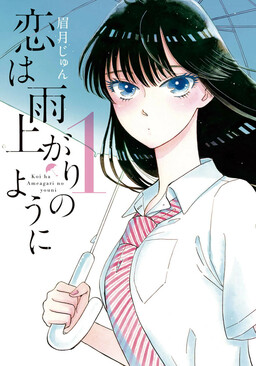
After the Rain Review: A High School Girl Falls for Her 45-Year-Old Manager — and the Series Takes Both of Them Seriously
by Jun Mayuzuki
Read the first volume. If it doesn't hook you, put it down. It'll hook you.
Buy After the Rain on Amazon →*Affiliate link — I earn a small commission at no extra cost to you.
Quick Take
- One of the most carefully written manga of the decade — After the Rain takes an uncomfortable premise and handles it with unusual literary seriousness: the age gap is never romanticized, the focus shifts toward what each character needs that has nothing to do with the other
- The series is ultimately about what running meant to Akira and what writing meant to Kondo — the romance is the vehicle for two portraits of passion and loss
- 9 volumes complete; among the most literarily accomplished manga available in English
Who Is This Manga For?
- Readers who want manga that handles a difficult premise with genuine literary care
- Anyone interested in character studies of people recovering their relationship to things they loved
- Fans of quiet, thoughtful manga that accumulates emotional weight through restraint
- Readers who want completed romance manga that doesn't follow genre conventions
Content Warnings & Age Rating
Age Rating: T (Teen) Content Warnings: A high school girl has romantic feelings for her 45-year-old manager; the age gap is explicitly not romanticized by the narrative — Kondo does not reciprocate in a way that validates the romantic framing, and the series is deliberately aware of the appropriateness question; sports injury and recovery themes
The T rating reflects the series' actual handling — the relationship does not develop the way typical romance manga would suggest.
Yu's Rating
| Category | Score |
|---|---|
| Story Depth | ★★★★★ |
| Art Style | ★★★★★ |
| Character Development | ★★★★★ |
| Accessibility for Non-Japanese Readers | ★★★★☆ |
| Reread Value | ★★★★★ |
Story Overview
Akira Tachibana was the fastest girl on her track team until an ankle injury ended her season — and, she fears, her future in running. She works part-time at a family restaurant managed by Kondo, a divorced single father in his mid-forties who is gentle, awkward, and has given up his own dream (writing) for the practical requirements of his life.
Akira develops feelings for him. This is the premise.
What happens: Kondo is aware of Akira's feelings and handles them with consistent care. He does not encourage them romantically. What develops between them is something different — Kondo recognizes something in Akira that he recognizes from his own life, and his response to her feelings is to help her find her way back to running. Akira's feelings, in encountering Kondo's genuine care for her future, begin to redirect toward what those feelings were actually about.
The series is about two people recognizing in each other the things they've given up — and the question of whether those things can be recovered.
Characters
Akira Tachibana — Her feelings for Kondo are real but the series is honest that they are also displacement — for the loss of running, for the particular vulnerability of injury and uncertainty. Her arc is about finding her way back to herself.
Masami Kondo — His specific form of kindness — recognizing what Akira needs without making himself the answer — is the series' most sophisticated characterization. His own abandoned dream of writing, and what her presence stirs in him, is the series' secondary emotional thread.
Art Style
Mayuzuki's art is among manga's finest — the rain sequences in particular are rendered with a delicacy and precision that gives the series its visual signature. Character expressions communicate nuance through restraint rather than exaggeration. Every page demonstrates deliberate composition.
Cultural Context
After the Rain ran in Monthly Afternoon — Kodansha's seinen magazine known for literary manga — and represents that magazine's tradition of taking difficult subjects and treating them with genuine care. The series is published by Vertical Comics (Kodansha's literary imprint for English) rather than the standard Kodansha Comics line, which is appropriate.
What I Love About It
The chapter about Kondo's abandoned novel. A chapter midway through the series follows Kondo alone — his relationship with the writing he gave up, a manuscript he returns to, what it would mean to try again. This chapter exists to make Akira's feelings legible as something that has nothing to do with age gap: two people who recognize in each other the specific feeling of something important being lost.
What English-Speaking Fans Say
Western readers describe After the Rain as the manga that most surprised them with its intelligence — the premise sounds like typical age-gap romance, the execution is something else entirely. Kondo's refusal to be the romantic answer to Akira's feelings, while still caring genuinely for her wellbeing, is consistently cited as among the most unusual and most satisfying character decisions in recent manga.
Memorable Scene ⚠️ Spoiler Warning
The track sequence near the series' end — Akira returning to running, the specific moment when she feels it return — is the most affecting scene in 9 volumes. The series has spent its entire length building toward this moment, and when it arrives, it means more than any romantic conclusion could.
Similar Manga
- March Comes in Like a Lion — Character recovering passion for something, similar register
- Blue Period — Young person discovering and pursuing a passion with adult guidance
- Honey and Clover — Unrequited feelings and the art of moving through them
- Silver Spoon — Young person finding direction, quiet emotional accumulation
Reading Order / Where to Start
Volume 1 — Akira's situation at the restaurant and her feelings for Kondo are established from the opening chapter.
Official English Translation Status
Vertical Comics published the complete 9-volume run. All volumes available.
Pros & Cons
Pros
- Among manga's most literarily accomplished character studies
- The age-gap premise is handled with genuine care and awareness
- Mayuzuki's art is exceptional
- Complete with a deeply satisfying ending
Cons
- The age-gap premise will be uncomfortable for some readers despite its handling
- The quiet, literary register requires patience for action-oriented readers
- The romance genre label may create expectations the series intentionally subverts
Format Comparison
| Format | Notes |
|---|---|
| Individual Volumes | Vertical Comics; standard |
| Digital | Available |
Where to Buy
Read the first volume. If it doesn't hook you, put it down. It'll hook you.
This post contains affiliate links. If you purchase through these links, I may earn a small commission at no extra cost to you. As an Amazon Associate, I earn from qualifying purchases.
*Affiliate link — I earn a small commission at no extra cost to you.
More Manga You Might Like
Romance / Drama
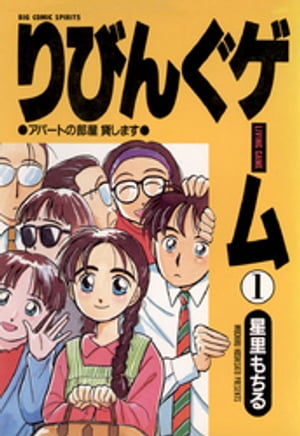
Living Game
Yu's review of Living Game — Fuwa Raizo is a 29-year-old salaryman whose fiancee left him; he ends up sharing his apartment with Kou Asahi, a cheerful 18-year-old new employee at his company; the series follows how their cohabitation becomes something genuine over 10 volumes.
Romance / Drama
A Girl on the Shore
Yu's review of A Girl on the Shore — Koume Sato and Isobe start a physical relationship after Koume is rejected by the boy she loved; it is not what either of them would call love, but neither of them can stop; Inio Asano's precise, uncomfortable short manga about how adolescents hurt each other.
Romance / Drama
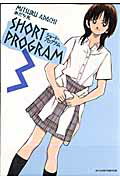
Short Program
Short Program collects Mitsuru Adachi's short story manga — brief, precise studies of the moment when two people almost connect, or do connect, or miss each other by a margin that changes everything.

Romance / Drama
Your Lie in April
Yu's review of Your Lie in April — a piano prodigy who lost his ability to hear his own music after his mother's death meets a violinist who plays like she is throwing everything she has at the sky.
Romance / Drama
Sweet Blue Flowers
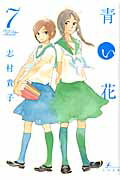
Yu's review of Sweet Blue Flowers — Fumi Manjoume and Akira Okudaira were childhood best friends who lost contact; they meet again in high school; Fumi is going through a heartbreak and beginning a new relationship with a senior girl while discovering who she is; Akira watches, loves, and cannot yet name it.
Romance / Drama
Sand Chronicles
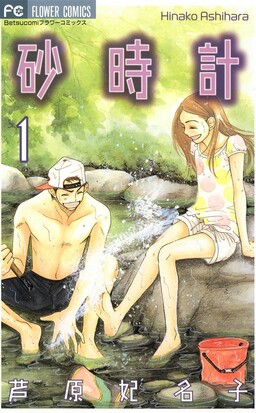
Yu's review of Sand Chronicles — Ann Uekusa moves from Tokyo to rural Shimane after her parents' separation; her mother's death by suicide shapes everything that follows; the series follows Ann from childhood through adulthood with unflinching attention to grief, depression, and the slow work of becoming a whole person.
Written by
Yu
Manga Enthusiast from Japan
I grew up in Japan and manga literally saved me during a tough time in elementary school. My English isn't perfect, but my love for manga is real — and I want to share it with you.
Disclosure: This post contains affiliate links. As an Amazon Associate, I earn from qualifying purchases at no extra cost to you.