
Nante Suteki ni Japonesque Review: The Heian Romance That Made the Imperial Court Feel Like an Adventure
by Manga adaptation
Read the first volume. If it doesn't hook you, put it down. It'll hook you.
Buy Nante Suteki ni Japonesque on Amazon →*Affiliate link — I earn a small commission at no extra cost to you.
She was supposed to be a proper Heian court lady. She was spectacularly bad at it. The court fell in love with her anyway.
Quick Take
- Manga adaptation of Saeko Himuro's beloved Heian romance novel series — the spirited Remon navigating imperial court life on her own terms
- A Heian period shojo romance with comedy, intrigue, and a heroine whose refusal to conform is the series' greatest charm
- Complete, charming, and an excellent entry point to the Heian romance tradition in manga form
Who Is This Manga For?
- Japanese historical fiction fans who want the Heian court depicted with warmth and comedy
- Shojo romance readers who want historical setting rather than contemporary school
- Readers who love unconventional heroines — Remon refuses to be what the period expects of women
- Fans of Saeko Himuro's novels who want the visual adaptation
Content Warnings & Age Rating
Age Rating: All Ages Content Warnings: Heian period court settings, historical romance, mild court intrigue. Nothing concerning.
Appropriate for all readers.
Yu's Rating
| Category | Score |
|---|---|
| Story Depth | ★★★☆☆ |
| Art Style | ★★★★☆ |
| Character Development | ★★★☆☆ |
| Accessibility for Non-Japanese Readers | ★★★☆☆ |
| Reread Value | ★★★☆☆ |
Story Overview
Remon is a young woman of the Heian court who has very little patience for the elaborate conventions the court expects of her — the multiple robes, the indirect communication, the careful management of appearance and reputation. She is direct, occasionally blunt, and consistently less deferential than the era considers appropriate.
The romance develops against this backdrop: a man of the court who finds Remon's unconventional nature first baffling and then irresistible, and Remon's own gradual acknowledgment that her feelings are more complicated than she'd prefer.
The Heian setting is used with genuine historical attention — the court structure, the seasonal rituals, the aesthetic priorities of the era are all present and inform the plot — while the comedy of Remon's particular approach to all of it gives the series the warmth that pure historical recreation wouldn't have.
Characters
Remon: A heroine whose most important quality is her refusal to perform the femininity the era demands — her genuine self, expressed in a context that doesn't quite know what to do with it.
The romantic interest: A court figure who represents the period's values and has to decide what to do with someone who doesn't.
Art Style
The manga adaptation brings the Heian visual aesthetic — the court robes, the architectural settings, the seasonal beauty that the era's literature prized — to life with the warmth appropriate to a romance adaptation of beloved novels.
Cultural Context
Saeko Himuro's original novel series "Nante Suteki ni Japonesque" was published in Cobalt Bunko (Shueisha) and was extremely popular in Japan during the 1980s — a beloved entry in the light novel tradition of Heian historical romance. The manga adaptation brought the story to the LaLa audience.
The Heian period has been a consistent subject for shojo manga and romance fiction — its elaborate aesthetic, its particular kind of beauty, and its distance from modernity make it ideal for a certain kind of romantic fantasy.
What I Love About It
I love Remon's refusal.
The Heian period had very specific ideas about what a court woman should be. Remon doesn't comply, not from ignorance but from personality. The comedy comes from her particular version of non-compliance — not rebellion for its own sake, but simply being herself in a context that has no category for her. The romance works because the right person recognizes what's actually there.
What English-Speaking Fans Say
Known among readers of the original Himuro novels and fans of Heian historical romance. The manga adaptation is appreciated for its visual rendering of the court setting and for preserving Remon's distinctive voice from the source material.
Memorable Scene ⚠️ Spoiler Warning
Remon doing something at court that is technically a violation of protocol and completely right for the situation — the scene where her refusal to follow convention produces an outcome that strict convention couldn't have achieved. The moment is the series' thesis: some situations require a Remon.
Similar Manga
| Title | Its Approach | How Nante Suteki ni Japonesque Differs |
|---|---|---|
| Saiunkoku Monogatari | Heian-adjacent historical fantasy with politically active female protagonist | Pure Heian setting with more comedy — the romance is more central than the political intrigue |
| Chie's Love Chat | Heian romance comedy with unconventional heroine | Similar premise; Japonesque benefits from Himuro's novel source material depth |
| The Tale of Genji manga adaptations | Classic Heian text in manga form | Japonesque is original fiction using the Heian setting — lighter register |
Reading Order / Where to Start
Volume 1. The court setting and Remon's character establish immediately.
Official English Translation Status
Nante Suteki ni Japonesque has no official English translation.
Pros & Cons
Pros
- Remon is a genuinely charming and unusual Heian heroine
- The court setting is rendered with historical attention
- Short — 8 volumes, a contained experience
- Based on beloved source material with genuine depth
Cons
- No English translation
- Heian period knowledge enhances appreciation significantly
- The manga adaptation may be less detailed than the novels
- The style is an acquired taste — Heian romance is a specific subgenre
Is Nante Suteki ni Japonesque Worth Reading?
For historical romance readers who want the Heian period with warmth and comedy, and for fans of Himuro's novels who want the visual adaptation, yes — Remon is worth meeting in any medium. For readers without interest in Heian setting, the cultural specificity creates distance. As a charming Heian romance with an unconventional heroine, it delivers.
Format Comparison
| Format | Notes |
|---|---|
| Physical | Japanese editions available |
| Digital | Available in Japanese |
| Omnibus | Collected editions available |
Where to Buy
No English release yet. That just means you find it before everyone else does.
*Affiliate link — I earn a small commission at no extra cost to you.
More Manga You Might Like
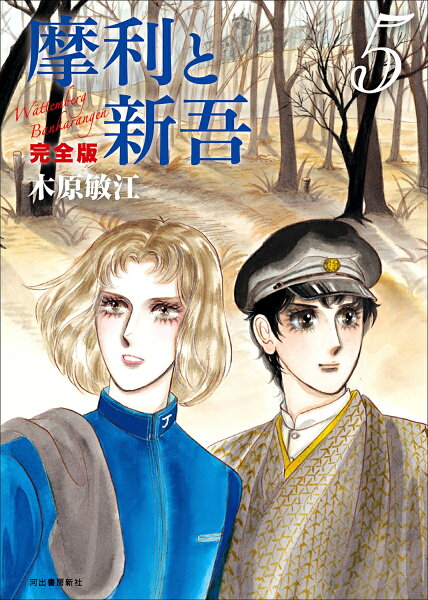
Romance / Historical
Mari to Shingo
Mari to Shingo follows two young men at an elite Taisho-era Japanese school — the aristocratic Mari and the street-smart Shingo — whose complicated bond defines the series and refuses to be categorized by the vocabulary available to either character.

Romance / Drama
Stepping on Roses
Yu's review of Stepping on Roses — set in Meiji-era Japan, Sumi is a poor girl burdened with her brother's debts and siblings to care for; she agrees to marry a wealthy man, Soichiro Ashida, in a loveless contract marriage for the money; the marriage predictably becomes complicated.
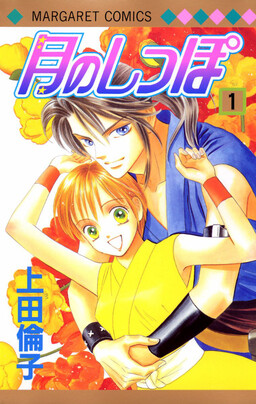
Romance
Tail of the Moon
Yu's review of Tail of the Moon — Usagi is the granddaughter of the leader of Iga and is supposed to be an elite kunoichi, but she keeps failing her ninja exams; she falls for the cold, competent Hanzo; Rinko Ueda's historical ninja romance about an underachieving heroine's determination to improve.
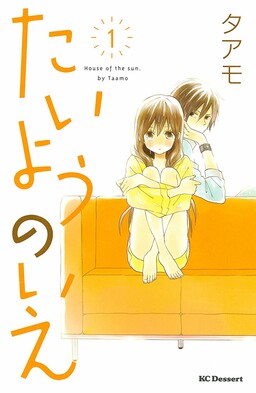
Romance / Slice of Life
House of the Sun (Taiyou no Ie)
Yu's review of House of the Sun (Taiyou no Ie) — Mao Motomiya, whose home life fell apart when her father remarried, finds herself staying at the house of Hiro, her cheerful childhood friend; his large, warm family gradually becomes the home she didn't know she needed, and the romance that develops is built on that foundation.

Romance / Drama
Sand Chronicles
Yu's review of Sand Chronicles — Ann Uekusa moves from Tokyo to rural Shimane after her parents' separation; her mother's death by suicide shapes everything that follows; the series follows Ann from childhood through adulthood with unflinching attention to grief, depression, and the slow work of becoming a whole person.
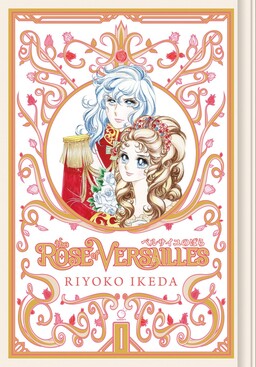
Romance / Historical
The Rose of Versailles
Yu's review of The Rose of Versailles — Oscar François de Jarjayes is raised by her father as a son and commander of the royal guard; she navigates the court of Louis XVI and Marie Antoinette, torn between duty to the aristocracy and growing awareness of what the common people suffer; as the French Revolution approaches, the world she has served is ending.
Written by
Yu
Manga Enthusiast from Japan
I grew up in Japan and manga literally saved me during a tough time in elementary school. My English isn't perfect, but my love for manga is real — and I want to share it with you.