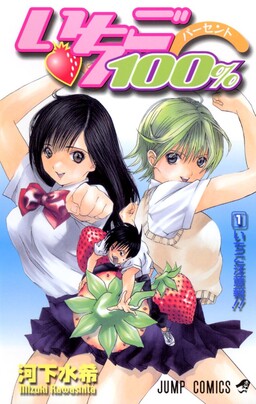
Ichigo 100% Review: A Boy With a Dream, a Girl With Strawberry Panties, and 19 Volumes of Romantic Chaos
by Mizuki Kawashita
Read the first volume. If it doesn't hook you, put it down. It'll hook you.
Buy Ichigo 100% on Amazon →*Affiliate link — I earn a small commission at no extra cost to you.
Quick Take
- The definitive Weekly Shonen Jump harem romance from its era — four distinct heroines, one indecisive protagonist, and 19 volumes of romantic escalation that the series actually resolves
- Kawashita's art is the series' clear strength: expressive, well-designed characters in a crowded field
- Complete in English; the ending is genuinely decisive, which distinguishes it from many harem manga
Who Is This Manga For?
- Readers who want classic shonen harem romance from the early 2000s
- Fans of the era who remember this series from its original run
- Anyone who wants a romance manga that actually commits to an ending
- Readers who appreciate the "aspiring filmmaker" creative premise within the romance structure
Content Warnings & Age Rating
Age Rating: T (Teen) Content Warnings: Fanservice and harem elements throughout; romantic situations; the strawberry panty premise is established in chapter one
Consistent with Weekly Shonen Jump content for the era.
Yu's Rating
| Category | Score |
|---|---|
| Story Depth | ★★★☆☆ |
| Art Style | ★★★★☆ |
| Character Development | ★★★☆☆ |
| Accessibility for Non-Japanese Readers | ★★★★☆ |
| Reread Value | ★★★☆☆ |
Story Overview
Junpei Manaka wants to make films. One night on the school rooftop, he encounters a girl in strawberry-print underwear whose encounter inspires him to pursue filmmaking more seriously. His attempt to identify the girl eventually reveals candidates — each of whom becomes entangled in his life.
Nishino Tsukasa is his classmate and initial dream. Toujou Aya is the quiet bookworm who loves writing and supports his filmmaking. Sotomura Satsuki is his childhood friend. Minamito Yui arrives later.
The series cycles through misunderstandings, romantic escalations, and the competitions that the filmmaking premise generates. It ends with a choice.
Characters
Junpei Manaka — His indecision is the series' engine and its most discussed element. Readers who wanted decisive romantic leads found him frustrating; readers who found his paralysis realistic found him identifiable.
Toujou Aya — The most consistently liked heroine among English-speaking readers; her patient support for Junpei's filmmaking and her specific kind of love that doesn't demand response resonated across the series' entire run.
Nishino Tsukasa — The initial romantic focus; her relationship with Junpei goes through the most cycles and the most explicit development.
Art Style
Kawashita's art is expressive and well-executed — the character designs are distinctive in a market full of identical faces, and the four heroines are visually identifiable at a glance. The romantic tension in the art is effectively conveyed through expression and composition.
Cultural Context
Ichigo 100% ran from 2002-2005 and represents Weekly Shonen Jump's attempt to capture romance readers. The aspiring-filmmaker protagonist was unusual for the genre — most harem protagonists lack creative ambitions that the manga takes seriously.
What I Love About It
The film-screening scene where Junpei finally shows work that reflects what he actually is. The creative aspiration that runs through the series has a moment of completion that the romantic plot often doesn't — it's the series' most grounded payoff.
What English-Speaking Fans Say
Ichigo 100% is remembered in Western fandom primarily for its Aya vs. Tsukasa debate, which ran as long as the series and continues in retrospective discussion. Readers who preferred Aya and received the ending the series gave them have complicated feelings. The ending is decisive; opinions about what the decision was are divided.
Memorable Scene ⚠️ Spoiler Warning
The moment where the series finally commits to who Junpei chooses — after 19 volumes of alternation — and the way the unchosen girl responds to that choice with something approaching grace.
Similar Manga
- Love Hina — Classic harem romance, completed, similar era
- Nisekoi — Harem romance, longer run, Jump successor to this tradition
- The Quintessential Quintuplets — Harem with genuine investment in all heroines
- To Love-Ru — Harem, more explicit fanservice
Reading Order / Where to Start
Volume 1 — the premise establishes on the first page.
Official English Translation Status
Viz Media published the complete 19-volume run. All volumes available.
Pros & Cons
Pros
- The series actually ends with a definitive choice
- Toujou Aya is one of the genre's most memorable supporting heroines
- Art quality is high throughout
- Complete in English
Cons
- Junpei's indecision can be genuinely frustrating across 19 volumes
- The ending is decisive but some reader factions find it the wrong decision
- The harem content is dated in some respects
Format Comparison
| Format | Notes |
|---|---|
| Individual Volumes | Viz Media; standard |
| Digital | Available |
Where to Buy
Read the first volume. If it doesn't hook you, put it down. It'll hook you.
This post contains affiliate links. If you purchase through these links, I may earn a small commission at no extra cost to you. As an Amazon Associate, I earn from qualifying purchases.
*Affiliate link — I earn a small commission at no extra cost to you.
More Manga You Might Like
Romance / Comedy
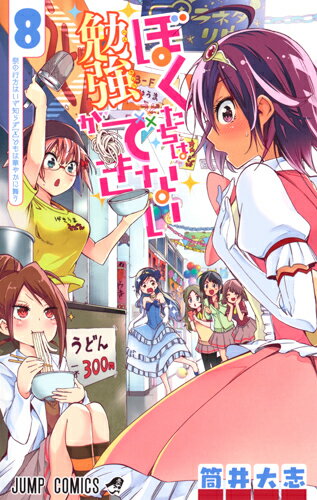
We Never Learn
Yu's review of We Never Learn — a scholarship student agrees to tutor three geniuses, each brilliant in one field but failing in the subjects they want to pursue, while navigating the increasingly complicated feelings everyone develops.
Romance / Comedy
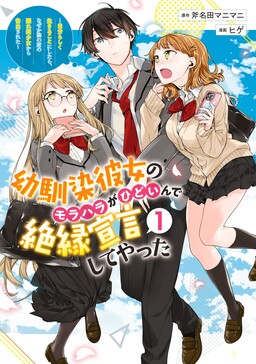
Girlfriend, Girlfriend
Yu's review of Girlfriend, Girlfriend — Naoya Mukai, who has finally started dating his long-time crush Saki, falls in love with a second girl, Nagisa, and proposes that they all date simultaneously; his complete honesty about his feelings collides with everyone's reaction to them in this shamelessly energetic romantic comedy.
Romance / Comedy
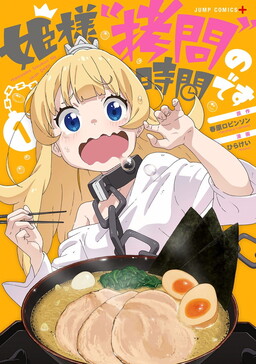
'Tis Time for 'Torture,' Princess
Yu's review of 'Tis Time for 'Torture,' Princess — the Princess is captured by the Demon King's forces; the Three Hell Executives interrogate her to get information about the kingdom's defenses; the 'torture' they use is things she actually enjoys — delicious food, comfortable beds, adorable animals — and she almost gives up information every time.
Romance / Comedy
Fly Me to the Moon
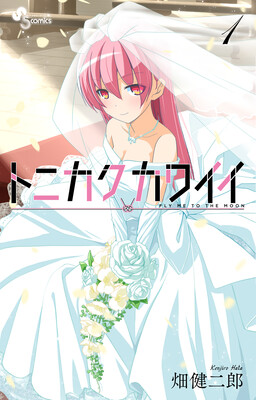
Yu's review of Fly Me to the Moon (Tonikaku Kawaii) — Nasa Yuzaki saves a girl from a traffic accident; she agrees to marry him on the spot if he can find her; when they reunite, they marry immediately; the series follows their married life as Nasa gradually learns who his wife Tsukasa actually is and why she proposed so quickly.
Romance / Comedy
The Dangers in My Heart
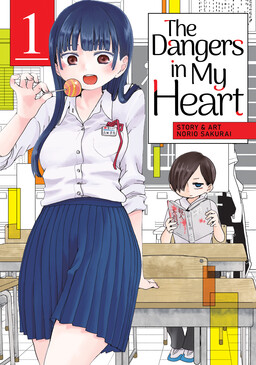
Yu's review of The Dangers in My Heart — Kyotaro Ichikawa is an antisocial, dark middle schooler who fantasizes about hurting people and considers himself a dangerous person; Anna Yamada is a popular model classmate who keeps seeking out the library where he hides; his determination to dislike her keeps failing.
Romance / Comedy
Yankee-kun to Megane-chan
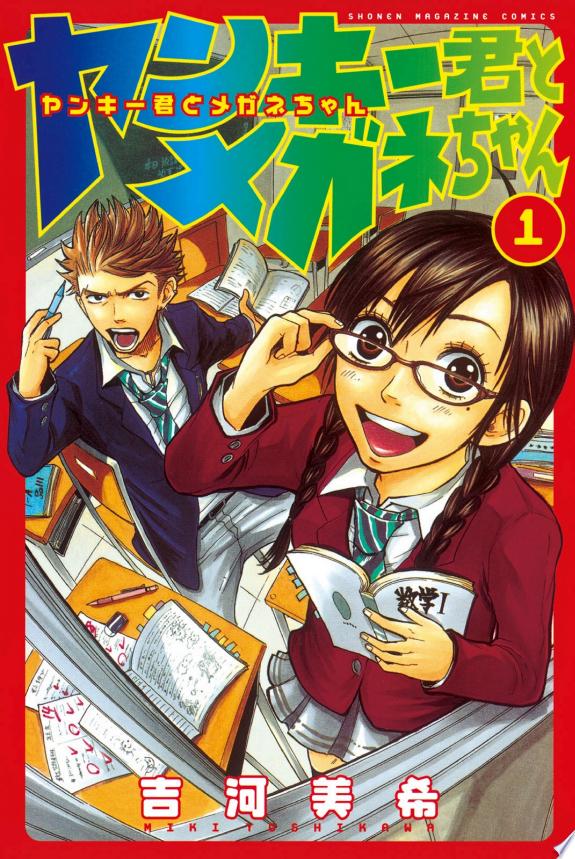
Yankee-kun to Megane-chan follows Daichi Shinagawa, a delinquent who wants to be left alone, and Hana Adachi, the class representative with a secret — a comedy about two people who are both performing a role they didn't choose.
Written by
Yu
Manga Enthusiast from Japan
I grew up in Japan and manga literally saved me during a tough time in elementary school. My English isn't perfect, but my love for manga is real — and I want to share it with you.
Disclosure: This post contains affiliate links. As an Amazon Associate, I earn from qualifying purchases at no extra cost to you.