
Hot Gimmick Review: A Girl's Secret Becomes Leverage and She Ends Up Trapped Between Three Different Boys
by Miki Aihara
Read the first volume. If it doesn't hook you, put it down. It'll hook you.
Buy Hot Gimmick on Amazon →*Affiliate link — I earn a small commission at no extra cost to you.
Quick Take
- Hot Gimmick is one of shoujo manga's most discussed controversial romances — it depicts coercive relationship dynamics and emotional manipulation with a directness that makes it uncomfortable and also makes it, for many readers, one of the most honest depictions of how teenage girls navigate power imbalances in romantic situations
- The series requires readers to engage critically with what it presents rather than uncritically accepting it — readers who do find it surprisingly complex; readers who don't may find it disturbing
- 12 volumes complete; a formative and contentious entry in English-language shoujo romance
Who Is This Manga For?
- Readers interested in romantic manga that depicts difficult relationship dynamics without editorial softening
- Anyone who wants to understand the "problematic shoujo romance" genre in its original context
- Fans of dramatic romance who can engage critically with what they're reading
- Not for readers who want uncomplicated romantic happiness
Content Warnings & Age Rating
Age Rating: T+ (Older Teen) Content Warnings: Coercive relationship dynamics central to the premise; blackmail; emotional manipulation by multiple characters; teen romantic content with genuine moral complexity that the series does not fully resolve
These content warnings should be taken seriously before beginning.
Yu's Rating
| Category | Score |
|---|---|
| Story Depth | ★★★★☆ |
| Art Style | ★★★★☆ |
| Character Development | ★★★★☆ |
| Accessibility for Non-Japanese Readers | ★★★★☆ |
| Reread Value | ★★★☆☆ |
Story Overview
Hatsumi Narita lives in company housing — an apartment complex where her family's continued residence depends on her father's employer, Ryoki Tachibana's family. When Hatsumi's secret (her younger sister's pregnancy test) is discovered by Ryoki, he uses it as leverage: she must do what he says.
What begins as straightforward coercion develops into something more complicated as Ryoki — who is controlling and demanding — also shows moments of genuine feeling. Meanwhile, Shinogu (Hatsumi's older brother who harbors romantic feelings) and Azusa (her childhood first love who returns with complicated intentions) complicate the picture further.
The series follows Hatsumi navigating three different young men, each of whom has their own form of power over her, as she tries to determine what she actually wants and who she is when she has choices.
Characters
Hatsumi Narita — A protagonist whose passivity is the series' central characterization and central debate. She is someone whose circumstances have trained her not to assert herself; the series is about whether and how she develops agency.
Ryoki Tachibana — The controlling male lead whose relationship with Hatsumi is the series' most controversial element. His feelings for her are real; his methods are not acceptable. The series knows both of these things and sits with the tension.
Shinogu and Azusa — The alternative romantic interests who each represent different versions of what loving Hatsumi might look like — neither is straightforwardly better than Ryoki, which is part of the series' point.
Art Style
Aihara's art is clean and expressive — the emotional intensity of the series' most difficult scenes is rendered with visual clarity that makes the discomfort legible. Character expressions carry the weight of what is not said.
Cultural Context
The company housing setting — where family security depends on the employer's favor — creates a specific power structure that makes Hatsumi's vulnerability feel real rather than contrived. This specific Japanese labor-housing relationship was more common in the era of the series (early 2000s) and gives the coercion a specific social texture.
What I Love About It
The series does not pretend the dynamics it depicts are fine. It depicts them honestly and asks readers to form their own response. This is more interesting than romantic manga that sanitizes genuinely difficult relationship patterns into something comfortable.
What English-Speaking Fans Say
Western readers describe Hot Gimmick as one of the most discussed shoujo manga of its era — the debate about whether it romanticizes abusive dynamics or depicts them critically is ongoing, and this debate is itself a sign of the series' engagement with real questions. Readers who revisit it as adults often find more complexity than they remembered from teenage readings.
Memorable Scene ⚠️ Spoiler Warning
The scene where Hatsumi explicitly articulates what she wants — rather than simply accepting what the situation offers — is the series' most significant moment of genuine agency, and its placement late in the series is deliberate.
Similar Manga
- Kare Kano — Intense dramatic romance, similarly willing to depict difficulty
- Boys Over Flowers — Power imbalance romance, similar controversial dynamics
- Wolf Girl and Black Prince — Coercive romance with similar debate about what it depicts
- Peach Girl — Dramatic romantic triangle, similar soap opera structure
Reading Order / Where to Start
Volume 1 — The premise and power dynamic are established immediately.
Official English Translation Status
VIZ Media published all 12 volumes. Complete and available.
Pros & Cons
Pros
- Depicts difficult dynamics with genuine honesty
- Complex enough to sustain ongoing critical discussion
- Complete 12-volume run with resolution
- Art effectively communicates emotional complexity
Cons
- Content warnings require genuine attention before starting
- Resolution may not satisfy all readers
- Requires critical engagement — not for passive reading
Format Comparison
| Format | Notes |
|---|---|
| Individual Volumes | VIZ Media; complete |
| Digital | Available |
Where to Buy
Read the first volume. If it doesn't hook you, put it down. It'll hook you.
This post contains affiliate links. If you purchase through these links, I may earn a small commission at no extra cost to you. As an Amazon Associate, I earn from qualifying purchases.
*Affiliate link — I earn a small commission at no extra cost to you.
More Manga You Might Like
Romance
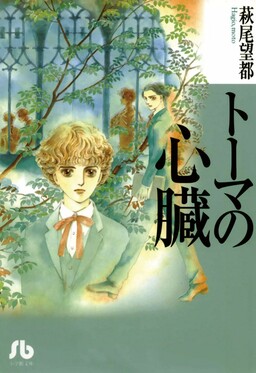
The Heart of Thomas
Yu's review of The Heart of Thomas — Thomas Werner falls from a bridge at a European boarding school, leaving behind a letter declaring his love for Juli; Juli, the student Thomas adored, must now live with having rejected Thomas's love, while a new student who resembles Thomas arrives at the school.
Romance / Comedy
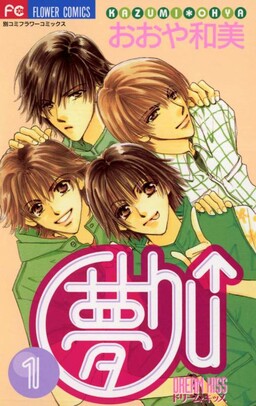
W Juliet
Yu's review of W Juliet — Makoto Amano is a beautiful boy who has been living as a girl named Ito to fulfill a bet with his father; when he joins the drama club, the tomboy Ito Miura discovers his secret and becomes his protector; a shoujo romance about performance, identity, and two people who understand each other's hidden selves.

Romance / Comedy
So Cute It Hurts!!
Yu's review of So Cute It Hurts!! (Kobayashi ga Kawai sugite Tsurai) — twins Megumu and Mitsuru Kobayashi swap schools after Mitsuru fails a history exam; Megumu (a girl) attends his school disguised as a boy while he attends hers, and both fall in love; a shoujo romantic comedy about gender performance, twins, and the chaos that follows when you try to live someone else's life.
Romance
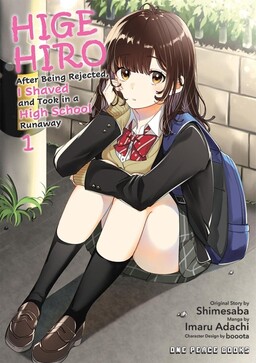
Higehiro: After Being Rejected, I Shaved and Took In a High School Runaway
Yu's review of Higehiro — Yoshida is rejected by his coworker and, drunk, finds Sayu, a high school runaway on the street; he takes her home and gives her a place to stay; the manga adaptation of Shimesaba's light novel about what actually happens when an adult takes responsibility for a runaway teenager.

Romance / Drama
The Gentleman's Alliance Cross
Yu's review of The Gentleman's Alliance Cross — Haine Otomiya was sold to the Kamiya family as a child by her own father; she fell in love with Shizumasa Kamiya after he showed her kindness in a moment of despair; she joins her elite school's student council to get close to him, but Shizumasa does not remember her.
Romance
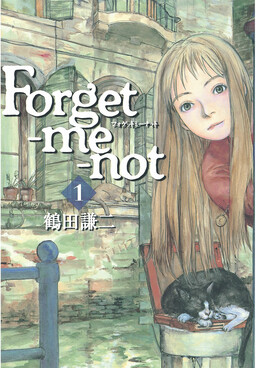
Forget Me Not
Yu's review of Forget Me Not — Serizawa is an ordinary man who keeps encountering women from his past who remember things about him that he has completely forgotten; each story recovers a relationship he lost track of; Mag Hsu and Nao Emoto's romance anthology about memory, connection, and the people we forget without meaning to.
Written by
Yu
Manga Enthusiast from Japan
I grew up in Japan and manga literally saved me during a tough time in elementary school. My English isn't perfect, but my love for manga is real — and I want to share it with you.
Disclosure: This post contains affiliate links. As an Amazon Associate, I earn from qualifying purchases at no extra cost to you.