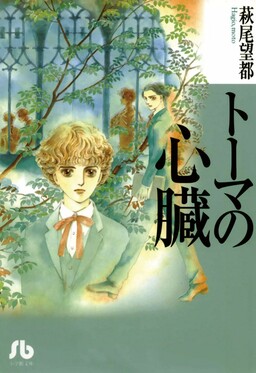
The Heart of Thomas Review: A Boy Dies and Leaves Behind a Letter, and Everyone Who Loved Him Must Live With It
by Moto Hagio
Read the first volume. If it doesn't hook you, put it down. It'll hook you.
Buy The Heart of Thomas on Amazon →*Affiliate link — I earn a small commission at no extra cost to you.
Quick Take
- One of the most important shoujo manga ever created — published in 1974, it established the European boarding school aesthetic that defines a strand of shoujo and BL manga ever since
- The grief and guilt it depicts — how someone who didn't love back lives with that — is handled with emotional precision that remains exceptional
- Single volume; essential manga history alongside genuine literary achievement
Who Is This Manga For?
- Readers interested in classic shoujo and its aesthetic and emotional foundations
- Anyone who wants emotionally serious manga that handles grief with precision
- Fans of European boarding school settings in manga
- Readers who want historical manga that remains emotionally contemporary
Content Warnings & Age Rating
Age Rating: T+ (Older Teen) Content Warnings: Student death (opening event); grief and survivor guilt; unrequited love and its consequences; boarding school relationship dynamics
T+ rating — emotionally serious content appropriate for older readers.
Yu's Rating
| Category | Score |
|---|---|
| Story Depth | ★★★★★ |
| Art Style | ★★★★★ |
| Character Development | ★★★★★ |
| Accessibility for Non-Japanese Readers | ★★★★☆ |
| Reread Value | ★★★★★ |
Story Overview
Thomas Werner dies at the beginning. He jumps or falls from a bridge, and he leaves behind a letter for Juli Jones — a fellow student at a European boarding school who he loved and who rejected him.
Juli must live with this. The letter makes him responsible for something he cannot be responsible for — you cannot make someone love you, but the question of whether he could have been kinder, whether his rejection needed to be as cold as it was, cannot be answered.
When Erich, a new student who resembles Thomas, arrives at the school, the grief and guilt become specific and present again. The series explores Juli's interior — what he actually feels, what the resemblance means, what loving someone means when it comes with this weight.
Characters
Juli Jones — A protagonist whose coldness is protection against precisely this kind of situation; the fact that his protection failed makes the series' emotional situation.
Erich — A new student whose resemblance to Thomas is not a metaphor but a specific complication in a specific person's specific grief.
Art Style
Hagio's art is immediately distinctive — the European aesthetic, the flowing character designs, the visual language of 1970s shoujo elevated to its highest expression. The boarding school is rendered with architectural and cultural specificity.
Cultural Context
The Heart of Thomas ran in Shōjo Comic in 1974. Along with Keiko Takemiya's Kaze to Ki no Uta, it established the "European boarding school" aesthetic that would define major strands of shoujo manga for decades. Hagio is one of the Year 24 Group — the group of female manga artists who transformed shoujo manga in the 1970s into something with genuine literary ambition.
What I Love About It
The question of guilt without agency. Juli didn't love Thomas. He couldn't have. But the question of whether he was cruel in his rejection, whether a different kind of rejection would have led to a different ending, is unanswerable — and living with unanswerable questions is the series' most honest emotional content.
What English-Speaking Fans Say
Western readers describe The Heart of Thomas as one of the greatest manga ever translated — specifically noted for the emotional precision being exceptional by any standard, for the European setting being realized with genuine cultural attention, and for the 1974 date being irrelevant to the emotional contemporary feel. Essential reading for anyone interested in manga's literary history.
Memorable Scene ⚠️ Spoiler Warning
Juli's first genuine encounter with his feelings about Thomas — when the defense mechanisms stop working and he has to feel what he actually feels — is the series' most precisely constructed emotional moment.
Similar Manga
- Kaze to Ki no Uta — Takemiya's companion classic from the same era
- Poe Clan — Hagio's other essential work
- Bloom Into You — Contemporary yuri with similar careful emotional architecture
- A Silent Voice — Grief and guilt with similar emotional precision
Reading Order / Where to Start
Single volume — complete and standalone.
Official English Translation Status
Fantagraphics published the English translation. Single volume, complete.
Pros & Cons
Pros
- Exceptional emotional precision
- Essential manga history
- Art is historically significant and beautiful
- Complete in single volume
Cons
- 1970s aesthetic may require adjustment
- Boarding school setting and its conventions
- Emotionally demanding
Format Comparison
| Format | Notes |
|---|---|
| Single Volume | Fantagraphics; complete |
| Digital | Available |
Where to Buy
Read the first volume. If it doesn't hook you, put it down. It'll hook you.
This post contains affiliate links. If you purchase through these links, I may earn a small commission at no extra cost to you. As an Amazon Associate, I earn from qualifying purchases.
*Affiliate link — I earn a small commission at no extra cost to you.
More Manga You Might Like
Romance / Drama
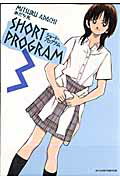
Short Program
Short Program collects Mitsuru Adachi's short story manga — brief, precise studies of the moment when two people almost connect, or do connect, or miss each other by a margin that changes everything.

Romance / Drama
Sand Chronicles
Yu's review of Sand Chronicles — Ann Uekusa moves from Tokyo to rural Shimane after her parents' separation; her mother's death by suicide shapes everything that follows; the series follows Ann from childhood through adulthood with unflinching attention to grief, depression, and the slow work of becoming a whole person.
Romance / Drama
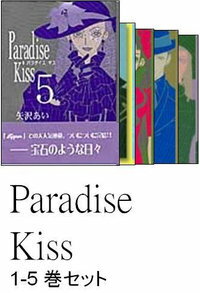
Paradise Kiss
Yu's review of Paradise Kiss — Yukari, a high-achieving student who has never questioned her path, is spotted by fashion students and asked to model their graduation collection; George, the designer, becomes the first person who sees who she might actually be.

Romance / Drama
Fruits Basket
Yu's review of Fruits Basket — a girl who has lost everything moves in with a family cursed to transform into animals of the Chinese zodiac, and slowly melts the ice that generations of abuse built around their hearts.
Romance / Drama
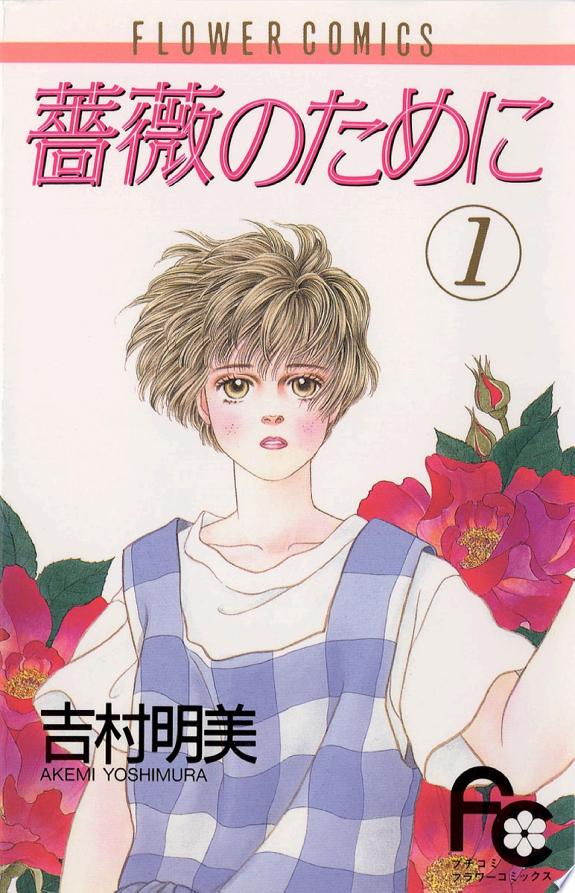
Bara no Tame ni
Bara no Tame ni follows Yuri Makurano, a plain, orphaned girl who learns her actress 'mother' is alive — along with three glamorous half-siblings — and a buried secret about her real parentage. An award-winning Shogakukan shojo drama by Akemi Yoshimura.
Romance / Drama
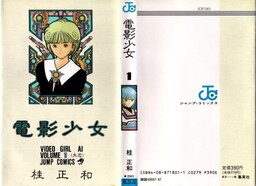
Video Girl Ai
Yu's review of Video Girl Ai — Yota Moteuchi is heartbroken after the girl he loves confesses her feelings to his best friend; he rents a video from a magical shop and the girl on the tape, Ai Amano, steps out of his television — damaged by his worn VCR, with a personality different from what was intended, and developing real feelings he wasn't supposed to create.
Written by
Yu
Manga Enthusiast from Japan
I grew up in Japan and manga literally saved me during a tough time in elementary school. My English isn't perfect, but my love for manga is real — and I want to share it with you.
Disclosure: This post contains affiliate links. As an Amazon Associate, I earn from qualifying purchases at no extra cost to you.