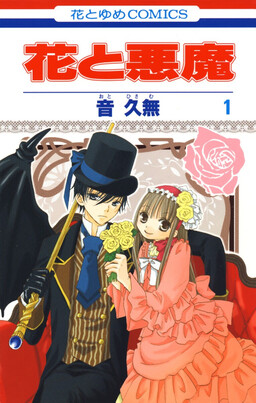
Hana to Akuma Review: A Demon Who Abandoned the Human World Finds a Newborn Baby on His Doorstep and Keeps Her
by Hisamu Oto
Read the first volume. If it doesn't hook you, put it down. It'll hook you.
Buy Hana to Akuma on Amazon →*Affiliate link — I earn a small commission at no extra cost to you.
Quick Take
- A found-family romance that takes its time — Hana is genuinely raised from infancy, and the series uses this to give the eventual romance an unusual depth of relationship history
- The Victorian-adjacent fantasy setting is realized with attention to period aesthetic
- 10 volumes complete; one of Viz's more emotionally substantial shojo romance titles
Who Is This Manga For?
- Readers who want found-family romance with genuine emotional depth
- Anyone interested in demon-and-human romance in a historical fantasy setting
- Fans of slow-burn romance where the relationship has extensive prior history
- Readers who can engage with the age-gap premise in its specific context
Content Warnings & Age Rating
Age Rating: T (Teen) Content Warnings: Age gap romance (demon who raised human girl); found family becomes romance; supernatural setting
T rating — the romance develops with awareness of the relationship's unusual history.
Yu's Rating
| Category | Score |
|---|---|
| Story Depth | ★★★★☆ |
| Art Style | ★★★★☆ |
| Character Development | ★★★★★ |
| Accessibility for Non-Japanese Readers | ★★★★☆ |
| Reread Value | ★★★★☆ |
Story Overview
Vivi is a demon who left the demon world and has been living in isolation among humans. When he finds an abandoned newborn, he takes her in — more from impulse than plan — and names her Hana.
He raises her for fourteen years. In that time she becomes genuinely his ward, his household, his human.
When Hana is fourteen, Vivi's past begins to intrude: other demons arrive, the demon world's politics reach him, and the humans around Hana become aware of what she is living with. Hana's feelings about Vivi — which have always been the entirety of her world — begin to clarify into something more specific, and Vivi's response is the series' central question.
Characters
Hana — A protagonist whose warmth and directness are the products of having been raised by someone who, whatever his limitations, was genuinely present for her; her love for Vivi is uncomplicated in origin and complicated in implication.
Vivi — A character whose demon nature and centuries of existence make the relationship's emotional development the more surprising; his response to Hana's feelings, and what it takes for him to acknowledge his own, is the series' most carefully developed content.
Art Style
Oto's art is elegant and period-appropriate — the Victorian-adjacent fashion and architecture are depicted with genuine attention, and the character designs differentiate clearly between demon characters and human characters.
Cultural Context
Hana to Akuma ran in LaLa from 2004 to 2008. The demon-household and abandoned-child structure draws from both Japanese supernatural romance traditions and the European Gothic aesthetic.
What I Love About It
The years. The series does not skip Hana's childhood. We see her grow up in Vivi's household, see what being raised by a demon in a human world produces in a child's personality. By the time the romance element arrives, we have spent significant time with both characters across a meaningful period of shared history. The romance is weighted by everything that came before it.
What English-Speaking Fans Say
Western readers describe Hana to Akuma as one of the most emotionally substantial shorter shojo romance series in Viz's catalog — specifically noted for the found-family foundation giving the romance unusual depth, for Vivi being a more developed supernatural love interest than typical, and for the Victorian setting being aesthetically realized. Recommended for readers who want romance with genuine relationship history.
Memorable Scene ⚠️ Spoiler Warning
The first time Vivi acts in a way that only makes sense if he has feelings for Hana — before he has acknowledged this to himself or to her — is the series' most precise romantic moment.
Similar Manga
- The Ancient Magus' Bride — Human ward and supernatural being with similar emotional weight
- Kamisama Kiss — Supernatural being and human girl romance in similar register
- Black Bird — Demon romance with similar age-gap dynamic
- The Water Dragon's Bride — Slow-burn supernatural romance with similar patience
Reading Order / Where to Start
Volume 1 — Vivi's discovery of the infant Hana and the years that follow establish everything.
Official English Translation Status
Viz Media published the complete English series. All 10 volumes available.
Pros & Cons
Pros
- Found-family foundation gives romance unusual depth
- Childhood years are not skipped
- Victorian setting is aesthetically realized
- Complete in 10 volumes
Cons
- Age-gap premise requires specific reader awareness
- Slower development in early volumes
- Romance begins later than some readers prefer
Format Comparison
| Format | Notes |
|---|---|
| Individual Volumes | Viz Media; complete series |
| Digital | May be available |
Where to Buy
Read the first volume. If it doesn't hook you, put it down. It'll hook you.
This post contains affiliate links. If you purchase through these links, I may earn a small commission at no extra cost to you. As an Amazon Associate, I earn from qualifying purchases.
*Affiliate link — I earn a small commission at no extra cost to you.
More Manga You Might Like
Romance / Comedy
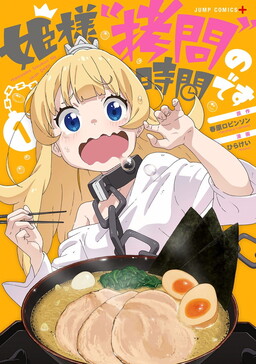
'Tis Time for 'Torture,' Princess
Yu's review of 'Tis Time for 'Torture,' Princess — the Princess is captured by the Demon King's forces; the Three Hell Executives interrogate her to get information about the kingdom's defenses; the 'torture' they use is things she actually enjoys — delicious food, comfortable beds, adorable animals — and she almost gives up information every time.
Romance / Slice of Life
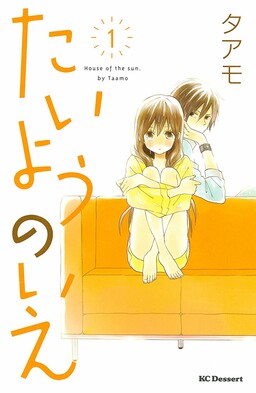
House of the Sun (Taiyou no Ie)
Yu's review of House of the Sun (Taiyou no Ie) — Mao Motomiya, whose home life fell apart when her father remarried, finds herself staying at the house of Hiro, her cheerful childhood friend; his large, warm family gradually becomes the home she didn't know she needed, and the romance that develops is built on that foundation.
Romance
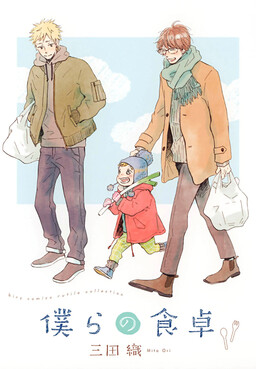
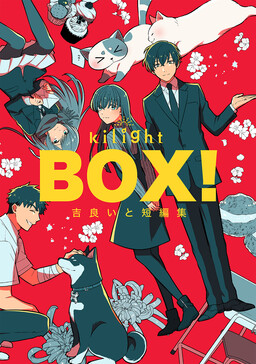
Our Dining Table
Yu's review of Our Dining Table — Yutaka Uedera has a condition that makes eating with others impossible; when he meets the cheerful Tsubasa and his young son Minoru who keep inviting him to share meals, the shared table becomes the site of unexpected healing and connection.
Romance / Comedy
My Love Mix-Up!
Yu's review of My Love Mix-Up! — Aoki has a crush on his classmate Hashimoto; he borrows her eraser and notices it says 'Ida' on it, which he assumes means she likes their classmate Ida; when Ida catches him looking at the eraser, he assumes Aoki likes him; Aoki, rather than correct this misunderstanding, goes along with it — and discovers his feelings are more complicated than he thought.
Romance
Ultra Romantic
Yu's review of Ultra Romantic — Tsurezure Ito is so shy his face literally overheats when flustered; Rika Yakumo is so direct she'll say anything she's thinking; together they are trying to figure out their feelings; Bolze's Jump romance comedy about two extremes finding each other.
Romance
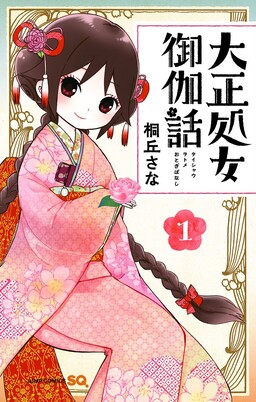
Taisho Otome Fairy Tale
Yu's review of Taisho Otome Fairy Tale — Tamahiko Shima is a sickly, bitter young man exiled to the countryside after an accident; his father sends Yuzuki Tachibana as a bride without asking; she is cheerful, capable, and changes his life; Sana Kirioka's Taisho era romance about someone who stopped hoping being given reason to hope.
Written by
Yu
Manga Enthusiast from Japan
I grew up in Japan and manga literally saved me during a tough time in elementary school. My English isn't perfect, but my love for manga is real — and I want to share it with you.
Disclosure: This post contains affiliate links. As an Amazon Associate, I earn from qualifying purchases at no extra cost to you.