
Golden Time Review: A Law Student With Amnesia Falls for the Wrong Girl — and the Right One
by Yuyuko Takemiya / Umechazuke
Read the first volume. If it doesn't hook you, put it down. It'll hook you.
Buy Golden Time on Amazon →*Affiliate link — I earn a small commission at no extra cost to you.
Quick Take
- The college romance manga that handles amnesia as a genuine identity problem rather than a plot mechanic — Banri's relationship to who he was before is the series' most interesting content
- Kouko's character arc from obsessive stalker-in-love to someone who develops her own identity is among the genre's most complete female character developments
- 9 volumes complete; a satisfying light novel adaptation
Who Is This Manga For?
- Readers who want romance manga set in college rather than high school
- Fans of the light novel or anime who want the manga adaptation
- Anyone interested in amnesia romance handled with psychological seriousness
- Readers who want female characters who begin flawed and develop genuinely
Content Warnings & Age Rating
Age Rating: T (Teen) Content Warnings: Amnesia and identity fragmentation; college social situations; some adult content appropriate to college setting; psychological complexity
More emotionally complex than the age rating suggests.
Yu's Rating
| Category | Score |
|---|---|
| Story Depth | ★★★★☆ |
| Art Style | ★★★★☆ |
| Character Development | ★★★★★ |
| Accessibility for Non-Japanese Readers | ★★★★☆ |
| Reread Value | ★★★★☆ |
Story Overview
Banri Tada arrives at a Tokyo law school having survived an accident that erased all his memories before the event. He meets Kouko Kaga — beautiful, wealthy, and completely fixated on her childhood friend Mitsuo, who has enrolled at the same school to escape her attention.
Banri falls for Kouko as she is, not as a prize: he sees someone genuinely suffering and genuinely lost behind the obsessive pursuit. Their relationship develops from the rubble of her failure to recapture Mitsuo.
The complication: Banri's pre-accident self — "Ghost Banri" — appears as a psychological presence, and the memories of who he was are threatening to reclaim what the current Banri has built.
Characters
Banri Tada — The central identity question — which Banri is real, the pre-accident one or the current one — is handled with genuine psychological engagement rather than as a narrative trick.
Kouko Kaga — Her development from the story's apparent comic antagonist (the obsessive ex-girlfriend type) to someone who earns genuine investment is the series' most impressive character work. What she becomes by the end bears no resemblance to what she appears to be in the opening chapters.
Linda — The woman who knew Banri before the accident whose presence represents the connection between the two versions of him that Kouko cannot provide.
Art Style
Umechazuke's manga art captures the college setting with appropriate visual maturity — the university festival sequences, the club activities, and the social situations of college life are drawn with specificity rather than generic high-school-with-adults substitution.
Cultural Context
Golden Time adapts Yuyuko Takemiya's light novel (the same author as Toradora) and shares that series' willingness to give its female characters genuine flaws that require genuine work to overcome. The college setting distinguishes it from the bulk of romantic manga in a high school context.
What I Love About It
Kouko's transformation. She begins the series as exactly the kind of girl the reader is supposed to find difficult — obsessive, dramatic, using the behavior of someone who has never been told no. She ends the series as someone who has learned to want things for reasons that have nothing to do with controlling another person. The distance traveled is remarkable.
What English-Speaking Fans Say
Western readers describe Golden Time as the romance manga that gave them the most complicated feelings about a female lead — initial frustration followed by genuine affection as Kouko earns the reader's investment through actual development. Banri's amnesia conflict with "Ghost Banri" is the most divisively discussed element.
Memorable Scene ⚠️ Spoiler Warning
The confrontation between current Banri and the pull of his pre-accident memories — the specific choice he makes about which self to be, and the cost of that choice for his relationship — is the series' emotional climax done with genuine psychological weight.
Similar Manga
- Toradora! — Same author (novel), similar female lead development, high school setting
- Honey and Clover — College setting, romantic complexity, similar adult emotional register
- Clannad — Identity and loss, similar emotional architecture
- Nisekoi — Light novel romance adaptation, lighter tone
Reading Order / Where to Start
Volume 1 — the Banri/Kouko dynamic establishes immediately.
Official English Translation Status
Yen Press published the complete 9-volume manga. All volumes available.
Pros & Cons
Pros
- Kouko's character development is among the genre's best
- The college setting distinguishes it from high school romance
- Complete in 9 volumes
- The amnesia premise is handled with psychological seriousness
Cons
- The Ghost Banri element is divisive — some readers find it compelling, others frustrating
- Kouko's early characterization is genuinely difficult for some readers
- The light novel covers more ground than the manga adaptation
Format Comparison
| Format | Notes |
|---|---|
| Individual Volumes | Yen Press; standard |
| Digital | Available |
Where to Buy
Read the first volume. If it doesn't hook you, put it down. It'll hook you.
This post contains affiliate links. If you purchase through these links, I may earn a small commission at no extra cost to you. As an Amazon Associate, I earn from qualifying purchases.
*Affiliate link — I earn a small commission at no extra cost to you.
More Manga You Might Like
Romance
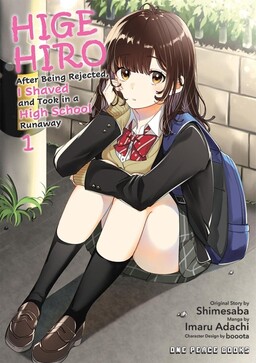
Higehiro: After Being Rejected, I Shaved and Took In a High School Runaway
Yu's review of Higehiro — Yoshida is rejected by his coworker and, drunk, finds Sayu, a high school runaway on the street; he takes her home and gives her a place to stay; the manga adaptation of Shimesaba's light novel about what actually happens when an adult takes responsibility for a runaway teenager.
Romance / Drama
Short Program
Short Program collects Mitsuru Adachi's short story manga — brief, precise studies of the moment when two people almost connect, or do connect, or miss each other by a margin that changes everything.
Romance / Drama
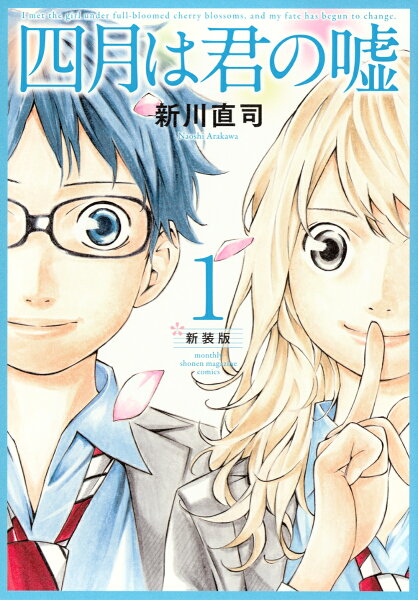
Your Lie in April
Yu's review of Your Lie in April — a piano prodigy who lost his ability to hear his own music after his mother's death meets a violinist who plays like she is throwing everything she has at the sky.
Romance / Comedy
Toradora!
Yu's review of Toradora! — a delinquent-looking boy and a tiny, terrifying girl make a deal to help each other confess to the other's best friend, and discover they had the wrong target all along.
Romance / Drama
Sweet Blue Flowers
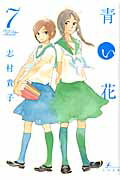
Yu's review of Sweet Blue Flowers — Fumi Manjoume and Akira Okudaira were childhood best friends who lost contact; they meet again in high school; Fumi is going through a heartbreak and beginning a new relationship with a senior girl while discovering who she is; Akira watches, loves, and cannot yet name it.
Romance / Slice of Life
A Sign of Affection
Yu's review of A Sign of Affection — Yuki is a deaf college student whose world is small by necessity; when a tall stranger at a train station asks her for help and she cannot explain her deafness in time, a classmate named Itsuomi translates — and Itsuomi is curious about Yuki's world in a way no one usually is.
Written by
Yu
Manga Enthusiast from Japan
I grew up in Japan and manga literally saved me during a tough time in elementary school. My English isn't perfect, but my love for manga is real — and I want to share it with you.
Disclosure: This post contains affiliate links. As an Amazon Associate, I earn from qualifying purchases at no extra cost to you.