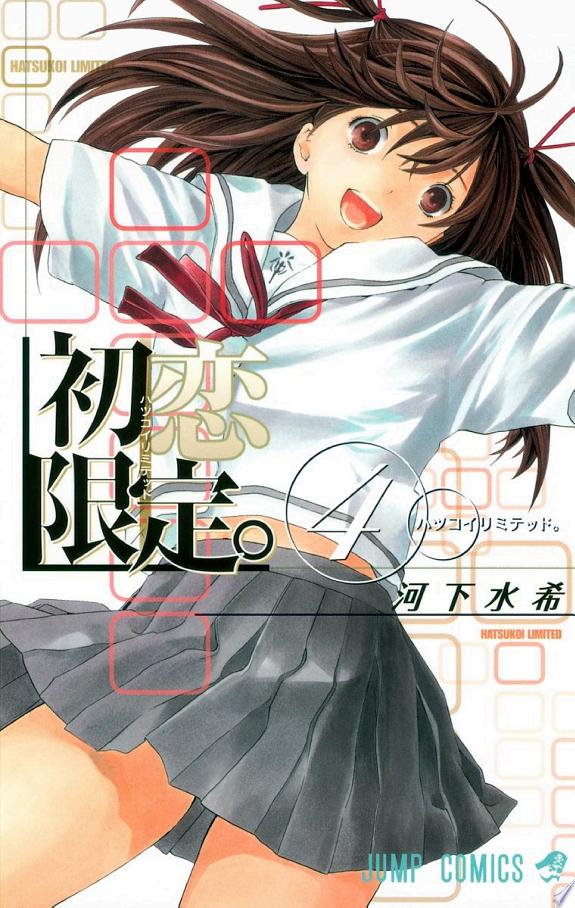
First Love Limited Review: The Ensemble Romance That Knows Everyone's Story at Once
by Arata Miyahara
Read the first volume. If it doesn't hook you, put it down. It'll hook you.
Buy First Love Limited on Amazon →*Affiliate link — I earn a small commission at no extra cost to you.
Quick Take
- Multiple simultaneous first-love stories among students in the same area, told in parallel
- Short (4 volumes), comedic, and warm — does not overstay its welcome
- By the author of Nisekoi; the ensemble structure shows his recurring approach
Who Is This Manga For?
- Readers who enjoy light romantic comedy manga with ensemble casts
- Fans of Nisekoi who want to see Miyahara's earlier, more compact work
- Those looking for a complete, short romance series without heavy drama
- Readers who appreciate when multiple character arcs resolve simultaneously
Content Warnings & Age Rating
Age Rating: T (Teen) Content Warnings: Mild romantic content (first love feelings), school setting, age-appropriate
Appropriate for all teen readers. Light and clean.
Yu's Rating
| Category | Score |
|---|---|
| Story Depth | ★★★☆☆ |
| Art Style | ★★★★☆ |
| Character Development | ★★★☆☆ |
| Accessibility for Non-Japanese Readers | ★★★★★ |
| Reread Value | ★★★☆☆ |
Story Overview
Multiple teenagers in the same neighborhood, sharing schools and streets, each experiencing their first feelings of romantic interest — simultaneously, in parallel, with the strands occasionally crossing.
There is no single protagonist. The story shifts between several characters as their separate love stories develop and intersect. The comedy comes from the misunderstandings and awkward interactions that arise when many people's feelings are in play at the same time.
The ensemble structure means no single pairing is given the space of a full series, but each gets enough to feel complete.
Characters
The cast is large enough that the specific names become less important than the relationship dynamics each pair represents. Miyahara is interested in the archetypes of first love: the aggressive person who does not know how to be gentle, the quiet one whose feelings are invisible to the object of their attention, the pair who both like each other and cannot figure out how to say it.
Each pair is a readable and likable variation on these themes.
Art Style
Miyahara's character designs are clean and expressive — this is the same artist who would later do Nisekoi, and the style is recognizable but earlier. The characters are cute, the emotions are visible, the comedy timing works well in the visual medium.
Cultural Context
First love (初恋, hatsukoi) has a specific weight in Japanese culture — the topic of countless songs, novels, and manga precisely because it represents something that cannot be repeated. The series takes this seriously even in a comedic key.
The parallel structure reflects how first love actually works in a social group — everyone's feelings are happening at the same time, tangled up with everyone else's.
What I Love About It
What I find charming about First Love Limited is its efficiency. It tells multiple complete love stories in 4 volumes and does not pad any of them. Each pair gets what they need. The series ends.
Miyahara would later write Nisekoi at much greater length — this is the compact, focused version of his sensibility, and in some ways it is more satisfying for the lack of extension.
What English-Speaking Fans Say
Western readers who came to this through Nisekoi find it interesting as context. The consensus is that it is lighter and less developed but also less frustrating — the endings arrive rather than being deferred.
The short length and complete status make it accessible for new readers.
Memorable Scene ⚠️ Spoiler Warning
The chapter where two characters who have been avoiding the conversation finally have it — standing in the street in the evening, no more delaying — is the series' best moment. It is brief and earned.
Similar Manga
- Nisekoi — Miyahara's later, longer work; similar comedy romance
- Toradora! — ensemble romance with more emotional depth
- My Love Story!! — similar warmth, different protagonist type
- Love Hina — older harem-adjacent ensemble comedy romance
Reading Order / Where to Start
Start from Volume 1. Complete in 4 volumes.
Official English Translation Status
VIZ Media published all 4 volumes in English. The series is complete.
Pros & Cons
Pros
- Efficient — multiple stories, no padding, 4 volumes
- The ensemble structure works for this type of romance
- Warm and charming without being heavy
- Complete
Cons
- Limited depth per character due to the ensemble structure
- Very light; readers wanting substantial drama should look elsewhere
- The formula is visible from early on
Format Comparison
| Format | Notes |
|---|---|
| Physical | VIZ volumes; may require secondary market |
| Digital | Check availability |
| Omnibus | Not available |
Where to Buy
Read the first volume. If it doesn't hook you, put it down. It'll hook you.
*Affiliate link — I earn a small commission at no extra cost to you.
More Manga You Might Like
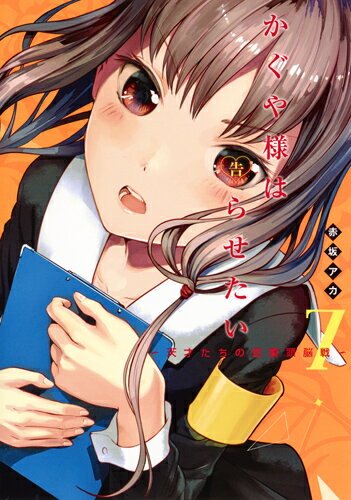
Romance / Comedy
Kaguya-sama: Love Is War
Aka Akasaka's 28-volume romantic comedy (2015–2022) about Miyuki Shirogane and Kaguya Shinomiya, two student council officers at Japan's most elite high school who are both in love and both certain that whoever confesses first loses. Complete in English from VIZ Media.
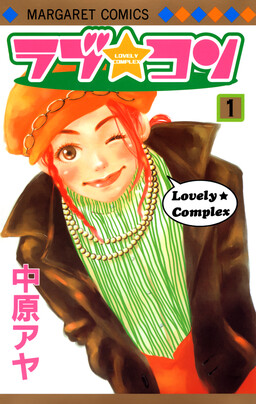
Romance / Comedy
Love★Com
Love★Com follows tall girl Risa and short boy Otani, always mistaken for a comedy duo, as they help each other with their love lives and slowly realize their feelings for each other.
Romance / Comedy
Toradora!
Yu's review of Toradora! — a delinquent-looking boy and a tiny, terrifying girl make a deal to help each other confess to the other's best friend, and discover they had the wrong target all along.
Romantic Comedy
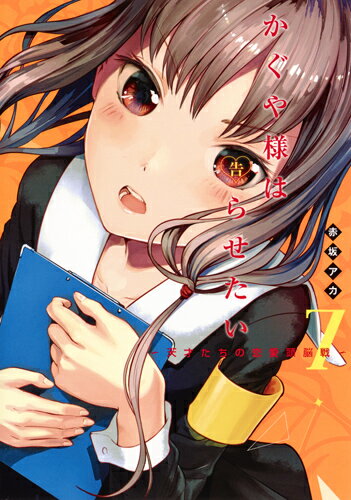
Kaguya-sama: Love Is War
Yu's review of Kaguya-sama: Love Is War — 28 volumes about two geniuses who are in love but won't admit it. Funnier than it has any right to be, smarter than it looks, and one of the most satisfying romance arcs in manga history.

Romance / Comedy
Midori Days
A review of Midori Days — Kazuro Inoue's eight-volume romantic comedy about high school delinquent Seiji Sawamura who wakes up one morning to find a miniature girl named Midori has replaced his right hand.
Romance / Comedy
Miyuki
Miyuki follows high school student Masato Wakamatsu who is secretly in love with his neighbor Miyuki Kashima, while also living with his quiet stepsister — who is also named Miyuki.
Written by
Yu
Manga Enthusiast from Japan
I grew up in Japan and manga literally saved me during a tough time in elementary school. My English isn't perfect, but my love for manga is real — and I want to share it with you.
Disclosure: This post contains affiliate links. As an Amazon Associate, I earn from qualifying purchases at no extra cost to you.