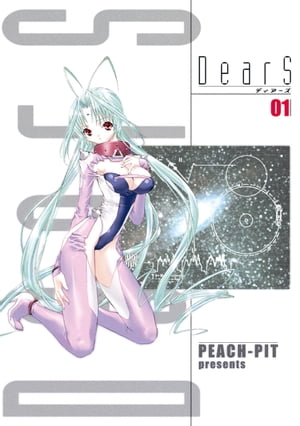
DearS Review: An Alien Slave Comedy That's More Earnest Than Its Premise Deserves
by Peach-Pit
Read the first volume. If it doesn't hook you, put it down. It'll hook you.
Buy DearS on Amazon →*Affiliate link — I earn a small commission at no extra cost to you.
An alien species arrives on Earth offering servitude. One of them finds the one boy who didn't want to be waited on. This is somehow very funny.
Quick Take
- Peach-Pit's pre-Shugo Chara work: a sweet alien comedy that's warmer than its "slave" premise sounds
- Complete at 8 volumes, which is a perfect length for this kind of story
- Better appreciated as character comedy than as anything with deeper ambitions
Who Is This Manga For?
- Fans of Peach-Pit's other work (Rozen Maiden, Shugo Chara) who haven't read their earlier series
- Readers who enjoy alien-comes-to-Earth romantic comedies
- People looking for something lighthearted and complete without heavy drama
- Fans of the early-2000s Dengeki aesthetic
Content Warnings & Age Rating
Age Rating: T (Teen) Content Warnings: Servitude/slavery framing (played for comedy and gently deconstructed), mild fan service, romantic situations
The "slave" premise is addressed in the story — the question of what Ren actually wants versus what she's been programmed to provide is where the real plot lives.
Yu's Rating
| Category | Score |
|---|---|
| Story Depth | ★★★☆☆ |
| Art Style | ★★★★☆ |
| Character Development | ★★★☆☆ |
| Accessibility for Non-Japanese Readers | ★★★★☆ |
| Reread Value | ★★★☆☆ |
Story Overview
An alien species called the DearS has arrived on Earth offering to serve humanity. They are genetically programmed to be devoted servants — warm, willing, efficient. Japan has agreed to accept a limited number of them into society.
Takeya Ikuhara is a high school student who wants nothing to do with the DearS craze. He finds them unsettling — the servitude premise bothers him in a way he can't articulate. Then he finds Ren collapsed on the street, having apparently fallen off a transport, and brings her home.
Ren declares him her "master." He refuses. She follows him anyway.
The comedy comes from Takeya's principled discomfort with the master-slave dynamic and Ren's completely guileless pursuit of him anyway. The romantic arc develops from that tension: what Ren was built to be versus who she actually becomes through contact with someone who treats her differently.
Peach-Pit is good at creating alien/magical characters who learn humanity through proximity to specific humans — they do it in Rozen Maiden and Shugo Chara as well. In DearS, the learning is Ren's, and it's the warmest thing in the story.
Characters
Takeya Ikuhara — Grumpy, principled, and gradually unable to maintain the grumpiness in the face of Ren's complete sincerity.
Ren — The alien girl who was labeled defective by her own people and turns out to be the most genuinely curious and emotionally honest of the DearS. Her process of deciding what she wants rather than what she's supposed to want is the story's core.
Miu — A DearS who is more representative of the species' design — compliant, programmed — and serves as a contrast to Ren's development.
Art Style
Classic Peach-Pit: clean, soft, expressive character designs with good comedic timing in the layouts. The DearS have distinctive visual features (the ribbons especially) that make them recognizable. The art is professional and suitable to the tone — light, warm, occasionally dramatic.
Cultural Context
DearS arrived during the early-2000s trend of alien-or-supernatural-being falls in love with ordinary Japanese boy stories. The "slave" framing was more common in this genre than it would be in contemporary publishing — the story is somewhat aware of the ethical questions it raises and addresses them through Takeya's principled resistance and Ren's developing autonomy.
What I Love About It
Ren trying to understand what she actually wants, independent of what she's been built to provide, is the story that the "slave comedy" premise is hiding. The moment she articulates something she wants for herself — not for Takeya, not for her role — is small and completely earned.
Peach-Pit writes characters who are performing roles they didn't fully choose (this is true in Rozen Maiden too) and finds the humanity in the space between performance and self. DearS is the lightest version of that, but it's still there.
What English-Speaking Fans Say
Remembered by Peach-Pit fans as their earlier work, appreciated for its lightness and charm. Not as beloved as Rozen Maiden or Shugo Chara, but fondly thought of. The complete English release at 8 volumes is consistently cited as a virtue — it's a complete story.
Memorable Scene ⚠️ Spoiler Warning
The arc where Ren has to choose between what her programming tells her to do and what she's learned she wants is the payoff the whole story was building toward. It's not dramatic in an operatic sense — it's a small choice made quietly. But it's the choice that makes the whole premise retroactively meaningful.
Similar Manga
| Title | Its Approach | How DearS Differs |
|---|---|---|
| Please! Teacher | Alien woman/human man; secret cohabitation | DearS is lighter and more focused on the alien learning humanity |
| Absolute Boyfriend | Manufactured partner developing feelings | DearS deals with an entire species rather than an individual and is more comedic |
| Rozen Maiden | Non-human characters learning to want things | Rozen Maiden is darker and more dramatically elaborate; DearS is warmer and simpler |
Reading Order / Where to Start
Volume 1, straight through. Eight volumes is a good length for this kind of story.
Official English Translation Status
Tokyopop published all 8 volumes in English. Complete and available.
Pros & Cons
Pros
- Complete at 8 volumes with a satisfying arc
- Ren's character development is genuine and affecting
- Peach-Pit's art is consistently charming
- The comedy works and doesn't overstay its welcome
Cons
- The "slave" premise requires tolerance for a setup that modern readers may find uncomfortable
- Takeya can be abrasive in early volumes before his character softens
- Supporting cast is underdeveloped
- The story's ambitions are modest — this is comfort reading, not deep storytelling
- The DearS society worldbuilding is somewhat vague
Is DearS Worth Reading?
As an 8-volume complete story, yes — if the premise doesn't put you off. Warm, charming, with a genuinely affecting central character arc. Good comfort reading.
Format Comparison
| Format | Pros | Cons |
|---|---|---|
| Physical | Soft art reads well in print | May be out of print |
| Digital | More accessible | — |
| Omnibus | No omnibus available | — |
Where to Buy
Read the first volume. If it doesn't hook you, put it down. It'll hook you.
This post contains affiliate links. If you purchase through these links, I may earn a small commission at no extra cost to you. As an Amazon Associate, I earn from qualifying purchases.
*Affiliate link — I earn a small commission at no extra cost to you.
More Manga You Might Like

Romance / Comedy
Please! Teacher
A review of the Please! Teacher manga adaptation — an alien teacher and her student husband navigate the secret of their relationship in a small school community.
Romance / Comedy
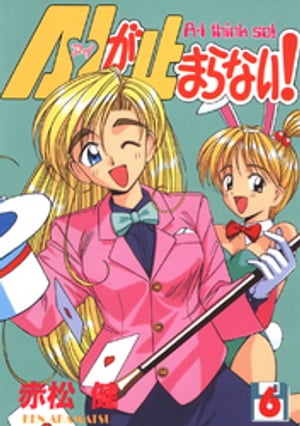
A.I. Love You
A review of A.I. Love You — Ken Akamatsu's early romantic comedy series about a lonely programmer whose AI creation manifests as a real girl after a lightning strike; all the DNA of Love Hina in its earliest form, before Akamatsu found his full voice.
Romance / Sci-Fi
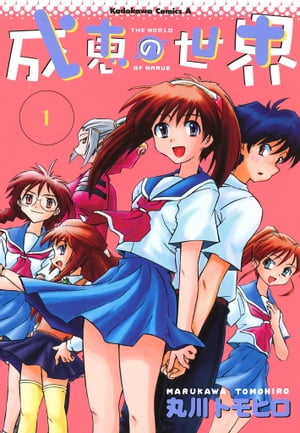
The World of Narue
A review of The World of Narue — the sci-fi romantic comedy about a middle school boy who starts dating a girl who turns out to be half-alien, and the increasingly complex consequences of living adjacent to the universe.

Romance / Comedy
Kaguya-sama: Love Is War
Aka Akasaka's 28-volume romantic comedy (2015–2022) about Miyuki Shirogane and Kaguya Shinomiya, two student council officers at Japan's most elite high school who are both in love and both certain that whoever confesses first loses. Complete in English from VIZ Media.
Romance / Comedy
Love★Com
Love★Com follows tall girl Risa and short boy Otani, always mistaken for a comedy duo, as they help each other with their love lives and slowly realize their feelings for each other.
Romance / Comedy
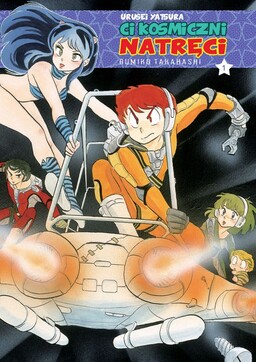
Urusei Yatsura
Yu's review of Urusei Yatsura — Earth is invaded by aliens; a random lottery selects Ataru Moroboshi to compete against the alien princess Lum in a game of tag; he wins by grabbing her horns; his victory declaration is mistaken for a marriage proposal; Lum moves into his house; Ataru continues to chase every other girl he sees while Lum insists on being his wife.
Written by
Yu
Manga Enthusiast from Japan
I grew up in Japan and manga literally saved me during a tough time in elementary school. My English isn't perfect, but my love for manga is real — and I want to share it with you.
Disclosure: This post contains affiliate links. As an Amazon Associate, I earn from qualifying purchases at no extra cost to you.