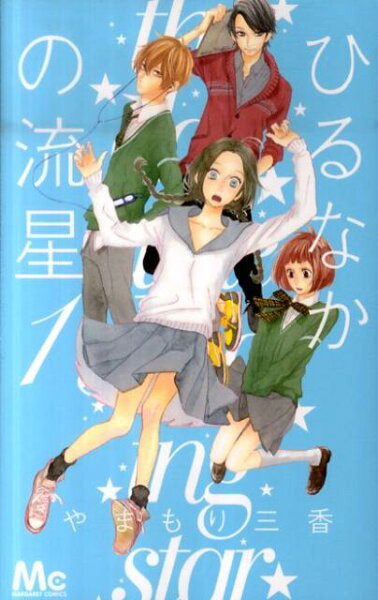
Daytime Shooting Star Review: A Country Girl Moves to Tokyo and Falls for Her Teacher
by Mika Yamamori
Read the first volume. If it doesn't hook you, put it down. It'll hook you.
Buy Daytime Shooting Star on Amazon →*Affiliate link — I earn a small commission at no extra cost to you.
Quick Take
- Suzume develops feelings for her teacher; the manga handles that situation more carefully than the premise suggests — not by consummating it but by examining what the feeling means
- Mika Yamamori's art is warm and distinctive; the coming-of-age emotional core is stronger than the premise implies
- 11 volumes, complete, with an ending that chooses correctly
Who Is This Manga For?
- Readers who want shojo romance with coming-of-age emotional depth
- Fans of manga that handle difficult premises responsibly
- Anyone who wants a protagonist navigating first love with the kind of honesty that includes being wrong
- Readers who want a complete series with a satisfying resolution
Content Warnings & Age Rating
Age Rating: T (Teen) Content Warnings: Teacher-student attraction is the central premise, depicted honestly without physical consummation; the manga's handling is the point
The content is handled with more care than the rating and premise suggest.
Yu's Rating
| Category | Score |
|---|---|
| Story Depth | ★★★★☆ |
| Art Style | ★★★★☆ |
| Character Development | ★★★★★ |
| Accessibility for Non-Japanese Readers | ★★★★★ |
| Reread Value | ★★★★☆ |
Story Overview
Suzume Yosano has lived in the countryside her whole life. When she must move to Tokyo to live with her uncle, the city is overwhelming. She gets lost on the first day and is helped by a young man who turns out to be her new homeroom teacher, Satsuki Shishio.
She doesn't know he's a teacher when she begins to like him. She knows by the time she does.
The manga follows Suzume navigating first love in a situation that cannot resolve the way she wants — and, alongside that, a classmate named Mamura who sees her more clearly than she sees herself.
What Yamamori does well is examine the teacher-student feeling as a real and understandable thing that cannot be acted on by the adult involved, without making Shishio a villain or Suzume foolish.
Characters
Suzume Yosano — Honest, direct, and unused to city social dynamics; her responses to situations are unfiltered in ways that are consistently charming.
Satsuki Shishio — The teacher who handles the situation correctly — he does not act on it — while the manga still allows him genuine feelings and genuine conflict.
Daiki Mamura — The classmate who is initially hostile and becomes something else; his arc is the series' true romance and it is handled with patience.
Art Style
Yamamori's art is warm and distinctive — character expressions are soft and precise, and the Tokyo settings contrast with Suzume's country-girl perspective in ways the art reinforces. The romantic sequences are drawn with genuine feeling.
What I Love About It
Mamura's hostility. He is rude to Suzume from their first meeting. The manga doesn't apologize for it and doesn't ask Suzume to accept it — she pushes back. Watching his hostility become something else, through specific moments rather than narrative convenience, is the series' most satisfying arc.
What English-Speaking Fans Say
Western readers who came to Daytime Shooting Star with concern about the teacher premise consistently report finding it more responsibly handled than expected. The Shishio fandom is vocal but generally understands the story's position. The Mamura ending is broadly accepted as correct.
Memorable Scene ⚠️ Spoiler Warning
The scene where Shishio explicitly declines — the moment the adult in the situation does what the adult in the situation must do — is not a villain moment. Yamamori writes it with genuine empathy for both characters and lets it be what it is: the right thing that is also sad.
Similar Manga
- Shortcake Cake — Similar tone, boarding house setting, Yamamori adjacent
- Snow White with the Red Hair — Warm shojo, capable heroine, royal romance
- Kimi ni Todoke — Slow-burn high school romance, similar coming-of-age feeling
- Daytime Shooting Star — This is the one
Reading Order / Where to Start
Volume 1 — the premise and all main characters establish in the first two chapters.
Official English Translation Status
VIZ Media published the complete 11-volume series. All volumes available.
Pros & Cons
Pros
- 11 volumes, complete
- The teacher-student premise handled responsibly
- Mamura's arc is one of shojo's better rival-to-love developments
- Suzume's directness is consistently appealing
Cons
- Readers who want the teacher relationship to resolve will be frustrated (and should be)
- Some middle volumes slow the transition from Shishio to Mamura
- The coming-of-age frame requires patience
Format Comparison
| Format | Notes |
|---|---|
| Individual Volumes | VIZ Media; standard |
| Digital | Available |
Where to Buy
Read the first volume. If it doesn't hook you, put it down. It'll hook you.
This post contains affiliate links. If you purchase through these links, I may earn a small commission at no extra cost to you. As an Amazon Associate, I earn from qualifying purchases.
*Affiliate link — I earn a small commission at no extra cost to you.
More Manga You Might Like

Romance / Drama
Sand Chronicles
Yu's review of Sand Chronicles — Ann Uekusa moves from Tokyo to rural Shimane after her parents' separation; her mother's death by suicide shapes everything that follows; the series follows Ann from childhood through adulthood with unflinching attention to grief, depression, and the slow work of becoming a whole person.
Romance / Slice of Life
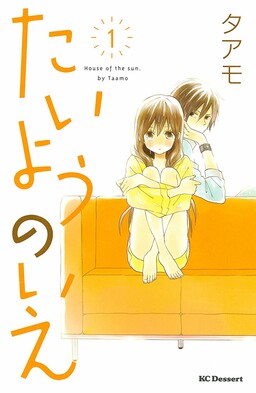
House of the Sun (Taiyou no Ie)
Yu's review of House of the Sun (Taiyou no Ie) — Mao Motomiya, whose home life fell apart when her father remarried, finds herself staying at the house of Hiro, her cheerful childhood friend; his large, warm family gradually becomes the home she didn't know she needed, and the romance that develops is built on that foundation.

Romance / Drama
Orange
Yu's review of Orange — on the first day of high school, Naho receives a letter from herself ten years in the future, listing the regrets she has about a classmate named Kakeru, and warning her to save him before it's too late.
Romance / Comedy
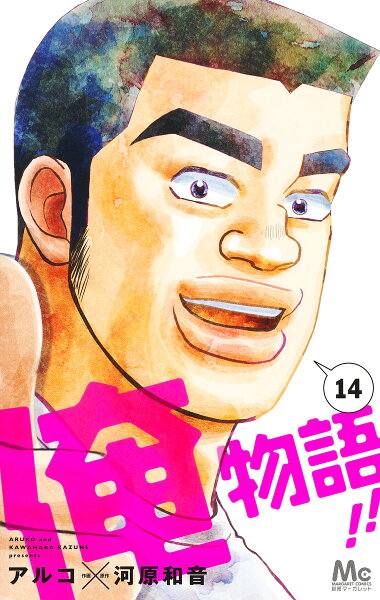
My Love Story!!
Yu's review of My Love Story!! — a huge, scary-looking boy with no luck with girls saves a girl from a groper on the train, and she falls in love with him — not his handsome best friend.
Romance / Shojo
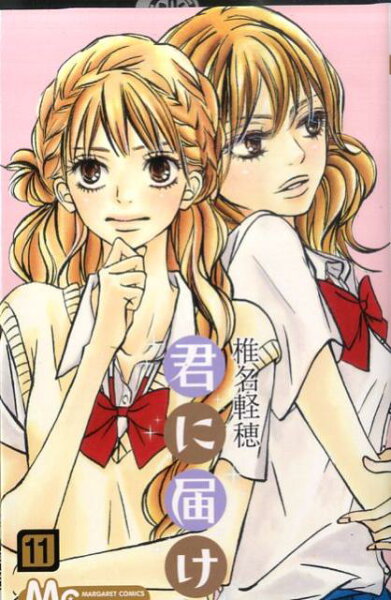
Kimi ni Todoke: From Me to You
Yu's review of Kimi ni Todoke — Sawako Kuronuma is avoided by her classmates because she resembles the horror movie character Sadako, but when the most popular boy in class actually speaks to her, her world begins to change.
Romance
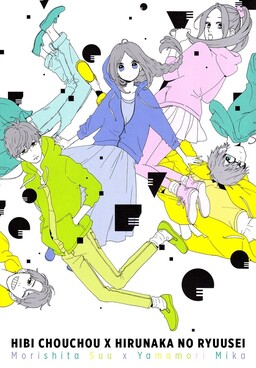
Hibi Chouchou: Everyday Butterflies
Yu's review of Hibi Chouchou: Everyday Butterflies — Suiren Shibazeki is so beautiful and quiet that people find her unapproachable; Kawasumi is so internally focused that he barely notices others; they notice each other, and what follows is one of the most unhurried and genuinely tender slow-burn romances in shojo manga.
Written by
Yu
Manga Enthusiast from Japan
I grew up in Japan and manga literally saved me during a tough time in elementary school. My English isn't perfect, but my love for manga is real — and I want to share it with you.
Disclosure: This post contains affiliate links. As an Amazon Associate, I earn from qualifying purchases at no extra cost to you.