
A Condition Called Love Review: A Girl Who Doesn't Know What Love Feels Like Says Yes Anyway
by Megumi Morino
Read the first volume. If it doesn't hook you, put it down. It'll hook you.
Buy A Condition Called Love on Amazon →*Affiliate link — I earn a small commission at no extra cost to you.
When I was a kid I cut my own hair once, badly, with kitchen scissors, because someone at school had been making fun of it. I didn't tell anyone why. I just decided that if the thing that made me a target was gone, the problem would be gone too. It doesn't work like that, of course. But I remember the specific logic of it — that if you can't control how people feel about you, you can at least control the part of yourself they're reacting to. So when I read the chapter in A Condition Called Love where Hotaru explains that a friend once cut off her long hair out of jealousy, and that this is part of why she's kept love at arm's length her whole life, I put the volume down for a second. I knew that feeling from the inside.
This is a manga about a girl who is honestly not sure she's capable of romantic love, and a boy who loves so hard it scares people. I went in expecting a light shojo and got something quieter and stranger than that.
Quick Take
- A romance with a genuinely unusual premise — Hotaru doesn't feel romantic love and doesn't pretend to; she dates Hananoi as an honest attempt to find out whether she can
- Hananoi is the rare shojo "intense love interest" whose intensity is treated as a real problem to work through, not just a swoon — his possessiveness has a named cause and the story makes him grow past it
- Rated T (Teen) — first-relationship physical affection, a childhood-bullying backstory, and possessive behavior that the manga itself frames as something to fix
Story Overview
It starts in the snow. Hananoi — the popular, good-looking boy in Hotaru's year — has just been publicly dumped and is sitting alone on a bench while it snows on him. Hotaru, who barely knows him, simply holds her umbrella over him and then loans it to him so he won't get soaked. She asks for nothing back. For Hananoi, a kid who has only ever been wanted for his looks and his image, being seen and cared for like that with no agenda cracks something open. The next day he asks her to be his girlfriend.
Hotaru's answer is the turning point that makes the whole series work. She doesn't say yes because she likes him — she says, honestly, that she doesn't understand romantic love and isn't sure she's even capable of it, but that she's willing to try and find out. So they date as a kind of sincere experiment. The trouble is that Hananoi loves with no brakes. He cuts his hair and removes his earrings to match what he thinks she'd like, he gets possessive, he gets anxious when she's out of reach — behavior the manga traces back to parents who were rarely home, doctors working abroad, leaving him with deep attachment issues. The series is the slow work of two people learning a healthier shape for love: Hotaru learning to feel it at all, Hananoi learning not to drown in it.
The Japanese run finished in 2025 across 18 volumes, ending with the two of them grown and Hananoi proposing marriage — a payoff the patient build-up genuinely earns.
Characters
Hotaru Hinase — A reserved first-year who can recognize love in other people but has never felt it herself. Her distance from romance isn't quirky aloofness; it's traceable to a childhood wound — a former best friend cut off her long hair out of jealousy over a boy. Her arc is the most interesting thing in the series: she observes her own reactions to Hananoi with almost clinical honesty, refuses to perform feelings she doesn't have, and very slowly discovers that something real is growing whether she planned it or not.
Saki Hananoi — The handsome, charismatic boy everyone wants, and the boy nobody actually knew until Hotaru. His love is total and, early on, genuinely unhealthy — possessive, anxious, all-consuming. Crucially the manga doesn't romanticize this as devotion; it names it as a problem rooted in neglect, and his arc is learning to love Hotaru in a way that gives her room to breathe.
Supporting cast — Friends and classmates including Hibiki Asami and Keigo Kurata orbit the central pair, giving Hotaru outside perspectives on what a relationship is supposed to feel like and grounding the romance in an ordinary high-school world rather than a two-person vacuum.
What I Love About It
The scene that defines the whole manga is the umbrella in the snow, and what I love is how much it refuses to be a grand gesture. Hotaru doesn't rescue Hananoi with a speech. She doesn't even particularly like him. She just sees a person getting snowed on and holds an umbrella over him because that's the decent thing to do, then hands it over and walks away expecting nothing. That's it. The drama is entirely in what it means to the person receiving it.
What hit me is that the manga understands this from Hananoi's side — that for someone who has only ever been wanted for the surface of himself, a small unconditional kindness can feel like being seen for the first time, and that the feeling can be so overwhelming you don't know how to hold it without crushing it. His later possessiveness isn't separate from this moment; it grows directly out of it. He felt loved once, by accident, and panics at the thought of losing it. I've known that fear — the way getting one good thing after a long time can make you grip it too hard. The series treats that not as cute but as something Hananoi has to learn his way out of, and it's the umbrella scene that quietly sets the whole emotional logic in motion.
Memorable Scene ⚠️ Spoiler Warning
The one I keep coming back to is when Hananoi goes out into a snowstorm to find a hairpin Hotaru lost — a small thing with sentimental value to her. On its face it's the classic devoted-boyfriend move. But the manga lets it sit in a more complicated place, because by then we know exactly what's driving him: the boy whose parents were never around, who feels he has to earn love by being indispensable, throwing himself into the cold to recover an object so the person he loves won't be sad. It's tender and a little alarming at the same time, and the series knows it. That double reading — sweet gesture, anxious attachment, both true at once — is the thing this manga does better than almost any shojo I've read. It refuses to let "he'd do anything for her" be uncomplicatedly romantic, and it's a stronger love story for it.
Pros & Cons
Pros
- A truly unusual premise — a heroine who starts from "I don't know if I can love" and means it
- Hananoi's intensity is written as a real problem with a real cause, not idealized devotion
- Clean, expressive art that excels at quiet two-person emotional scenes
- The completed 18-volume run actually pays off the slow build with a marriage proposal
Cons
- The pacing is patient to the point of slow — growth here is internal and incremental
- Hananoi's early possessiveness will read as a red flag before the series earns its way past it
- Hotaru's analytical, watch-my-own-feelings approach can feel cool if you want romance to be all heat — which means this one won't work for everyone.
Is A Condition Called Love Worth Reading?
Yes — if you want a romance that takes its own premise seriously. It's a slow, honest study of two people learning a healthier way to love: one who isn't sure she can feel it, one who feels it too hard. If you need fast sparks or you can't sit with an intense, anxious love interest while he grows, look elsewhere. For everyone else, it's one of the more thoughtful shojo romances of recent years.
Where to Buy
Read the first volume. If it doesn't hook you, put it down. It'll hook you.
This post contains affiliate links. If you purchase through these links, I may earn a small commission at no extra cost to you. As an Amazon Associate, I earn from qualifying purchases.
*Affiliate link — I earn a small commission at no extra cost to you.
More Manga You Might Like
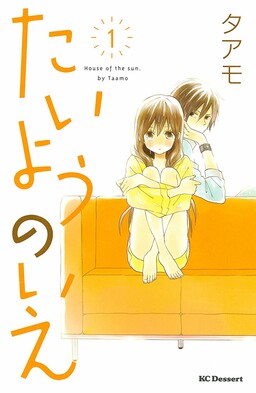
Romance / Slice of Life
House of the Sun (Taiyou no Ie)
Yu's review of House of the Sun (Taiyou no Ie) — Mao Motomiya, whose home life fell apart when her father remarried, finds herself staying at the house of Hiro, her cheerful childhood friend; his large, warm family gradually becomes the home she didn't know she needed, and the romance that develops is built on that foundation.
Romance / Slice of Life
A Sign of Affection
Yu's review of A Sign of Affection — Yuki is a deaf college student whose world is small by necessity; when a tall stranger at a train station asks her for help and she cannot explain her deafness in time, a classmate named Itsuomi translates — and Itsuomi is curious about Yuki's world in a way no one usually is.
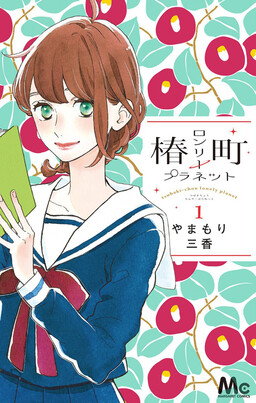
Romance / Slice of Life
Tsubaki-chou Lonely Planet
Yu's review of Tsubaki-chou Lonely Planet — Fumi Ohara's father's gambling debts leave her without a home; she takes a job as a live-in housekeeper for Akatsuki Kibikino, a young novelist who works from home, has no patience for people, and is completely unprepared for someone like Fumi.
Romance / Comedy
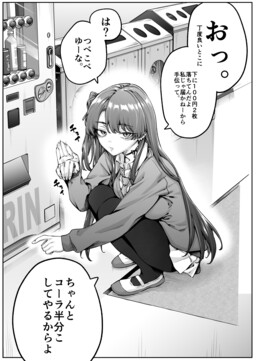
Don't Toy With Me, Miss Nagatoro
Yu's review of Don't Toy With Me, Miss Nagatoro — Nagatoro is a first-year girl who discovers the art club room where a shy, isolated second-year boy (Senpai) retreats; she begins teasing him mercilessly, returns every day to do more of it, and it gradually becomes clear to everyone except possibly both of them that this is entirely how she expresses that she likes him.
Romance / Slice of Life
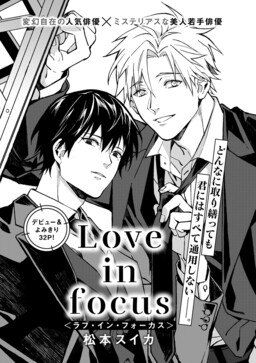
Love in Focus
Yu's review of Love in Focus — Mako moves to a new city after her grandfather's death and joins the photography club; she keeps encountering and photographing Kei, a boy from a different school who seems to appear wherever she points her camera; what starts as coincidence becomes something deliberate.

Romance / Slice of Life
Days with My Stepsister
Yu's review of Days with My Stepsister — Yuuta and Asamura Saki are strangers who become step-siblings when their parents marry; they make a pact to maintain a sibling relationship only, without romantic complications; the series follows their daily life as that pact becomes harder to maintain.
Written by
Yu
Manga Enthusiast from Japan
I grew up in Japan and manga literally saved me during a tough time in elementary school. My English isn't perfect, but my love for manga is real — and I want to share it with you.
Disclosure: This post contains affiliate links. As an Amazon Associate, I earn from qualifying purchases at no extra cost to you.