
We Were There Review: First Love That Grows Up and Gets Harder
by Yuki Obata
Read the first volume. If it doesn't hook you, put it down. It'll hook you.
Buy We Were There on Amazon →*Affiliate link — I earn a small commission at no extra cost to you.
When I was a kid, the manga I read were almost all about boys punching their way toward a dream. Naruto, One Piece — loud, certain, the kind of stories that promise effort always pays off. I didn't read shojo for years because I assumed it was the same promise with flowers around it: confess, get rejected, confess again, end up together, the end.
Bokura ga Ita (We Were There) is the manga that broke that assumption for me. I started it expecting a cute high school romance and finished it years older inside. It takes its couple all the way from a first-year classroom into their late twenties, and it is honest in a way that hurt — honest that loving someone and being good for them are not the same thing, and that some people you love keep walking away from you no matter how hard you reach. I didn't expect a shojo manga to know that. This one does.
Quick Take
- One of shojo's most unflinching long-form romances — it follows its couple from age 15 into adulthood
- Built around grief, guilt, and a four-year silence rather than love-triangle filler
- Age rating: T (Teen), but with mature emotional weight — death, a parent's suicide, and depression are central, not background
Story Overview
Nanami Takahashi starts her first year of high school wanting one thing: friends. Instead she runs straight into Motoharu Yano — the most popular boy in class, funny and warm on the surface, but carrying something she can't see yet. Yano's previous girlfriend, Nana Yamamoto, died in a car accident the year before. Worse for Yano: Nana was in the car with her ex-boyfriend when it happened, so he half-believes she was cheating on him when she died. He hides all of it behind a careless smile.
Nanami falls for him anyway, and to my surprise the manga lets them get together early — this isn't a "will they/won't they" stall. The real story is what being together costs. Yano can't trust easily; the dead girlfriend's shadow sits between them constantly, made sharper because Nana's younger sister Yuri is in their lives and has her own feelings for Yano.
The turning point that defines the whole series comes when Yano transfers to Tokyo in their second year. Nanami sees him off at the train station — and then the story jumps four years forward. They never saw each other again. Yano simply went silent. The back half of the manga is about adults: Nanami in Tokyo, building a life, discovering Yano is alive but transformed — distant, living with Yuri, telling Nanami coldly that he dumped her. Everything after that is the painful, un-tidy work of finding out why, and whether what they had can survive what life did to it.
Characters
Nanami Takahashi — Energetic, stubborn, a little reckless with her own heart. Her arc is the spine of the series: she goes from a 15-year-old who just wants to be liked to a working adult in Tokyo who has learned that loving Yano means surviving long stretches of his absence. She's the one who keeps choosing to stay reachable even when staying hurts, and the manga never frames that as weakness — it frames it as a decision with a real price.
Motoharu Yano — The center of gravity and the hardest character to love cleanly. His guilt over Nana's death — tangled up with the fact he didn't even remember her birthday before she died — teaches him to keep people at arm's length so he can't lose them the same way. After his mother's suicide, he disappears entirely, drifting into a numbed life with Yuri. His tragedy is that he pushes Nanami away to protect her and himself, then quietly dreams about her at night.
Yuri Yamamoto — Nana's younger sister, and the character who could have been a simple rival but isn't. She loves Yano with the same unrequited ache he has for the past, and she ends up holding the truth that can free him: that Nana was never cheating — she'd gone to give her ex a proper goodbye. When Yuri finally lets Yano go and tells him this, it's one of the most generous acts in the book.
Masafumi Takeuchi — Yano's best friend, and the warmth that makes the colder stretches bearable. He becomes Nanami's confidant and, for a time, her partner. He's not a plot device to make Yano jealous; he's a genuinely good person who loves Nanami honestly, which makes the geometry of the whole thing harder, not easier.
What I Love About It
The thing I keep coming back to is the train station. For most of the first half, Yano and Nanami are unbearably sweet — there's a recurring beat where they tease each other about how cheesy they are as a couple, and a quieter one where they wish on the stars to hurry up and grow up so they can finally be together for good. Obata earns all of that fluff. So when Nanami waves Yano off at the platform and the page turns to "four years later — they never saw each other again," it lands like a punch you didn't know was coming. The manga uses its own sweetness as the weapon.
What I love is that Bokura ga Ita refuses the easy version of "grow up so we can be together." It grants the wish and then shows the cruelty inside it — that growing up is exactly what pulls these two apart. Yano grows into his grief instead of out of it. Nanami grows into a life that doesn't have room to wait forever. Most first-love stories treat adulthood as the reward at the finish line. This one treats it as the obstacle, and that reframe is what made it feel true to me in a way few romances ever have.
Memorable Scene ⚠️ Spoiler Warning
The reunion around volume 13 is the moment I can't shake. After four years of silence, Nanami finally finds Yano again in Tokyo — and instead of the tearful reunion the genre trains you to expect, he looks at her and flatly tells her he dumped her. Cold, closed, like a different person wearing his face.
What makes it devastating rather than just sad is what the manga shows you around the cruelty: that this same Yano dreams about her at night, that the distance is armor and not absence of feeling. He learned from Nana's death that the people you love disappear, so he tried to disappear first — leave before he could be left. The eventual climax pays this off when Nanami, overworked and anemic, collapses down a flight of stairs and is rushed to the hospital. Faced with actually losing her, the wall finally breaks; he rushes to her side. The series closes on Yano proposing — and then the two of them visiting Nana's grave together, the past finally laid to rest instead of buried alive. That last image, choosing the future while honoring what hurt, is the whole manga in one panel.
Pros & Cons
Pros:
- A complete, fully translated 16-volume story with a real ending — no waiting
- Genuinely adult emotional stakes: grief, guilt, and depression treated with care, not melodrama
- The four-year time skip is one of the boldest structural choices in shojo, and it works
Cons:
- Yano spends long stretches being maddening; if you need a love interest who's "good" the whole way through, he'll frustrate you
- The middle act is heavy and slow on purpose — that pacing is either the point or a dealbreaker depending on what you want from a romance
Is We Were There Worth Reading?
Yes — if you want a romance that takes love seriously enough to let it hurt. It's a complete, beautifully drawn series that follows its couple from 15 into adulthood and never lets them (or you) off easy. If you only want comfort-food shojo, look elsewhere; if you want first love told with the honesty of someone who knows it doesn't always survive, this is one of the best.
Similar Manga
| Title | Its Approach | How We Were There Differs |
|---|---|---|
| Nana by Ai Yazawa | Raw, messy adult love and friendship in the city | We Were There centers on one couple across years rather than an ensemble |
| Fruits Basket by Natsuki Takaya | Healing trauma through found family and warmth | We Were There is colder and more about romantic grief than chosen family |
| Say I Love You by Kanae Hazuki | Realistic high school romance with social anxiety | We Were There follows its couple well past school, into adult disillusionment |
Where to Buy
Read the first volume. If it doesn't hook you, put it down. It'll hook you.
This post contains affiliate links. If you purchase through these links, I may earn a small commission at no extra cost to you. As an Amazon Associate, I earn from qualifying purchases.
*Affiliate link — I earn a small commission at no extra cost to you.
More Manga You Might Like
Romance / Drama
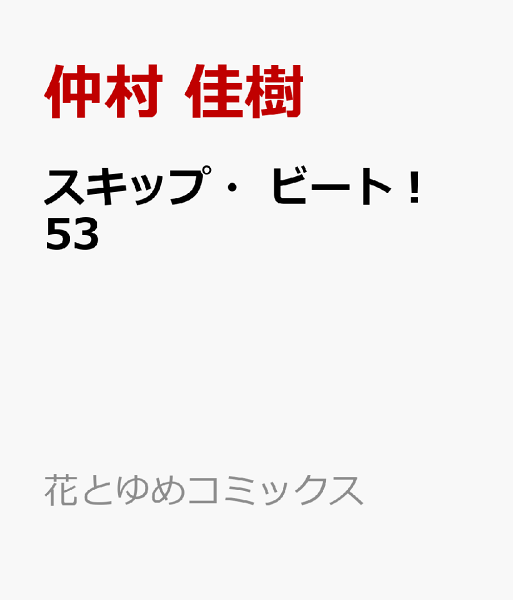
Skip Beat!
Yu's review of Skip Beat! — a girl who sacrificed everything to support her childhood friend's pop idol career discovers he was using her, and decides the best revenge is to break into the entertainment industry herself.

Romance / Drama
Sand Chronicles
Yu's review of Sand Chronicles — Ann Uekusa moves from Tokyo to rural Shimane after her parents' separation; her mother's death by suicide shapes everything that follows; the series follows Ann from childhood through adulthood with unflinching attention to grief, depression, and the slow work of becoming a whole person.
Romance / Drama
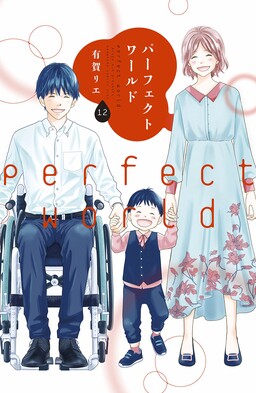
Perfect World
Yu's review of Perfect World — Tsugumi Kawana reconnects with her high school crush Itsuki Ayukawa, now an architect who uses a wheelchair after a spinal cord injury; the manga follows their relationship with honest attention to the practical, emotional, and social dimensions of disability in a romantic relationship.

Romance / Drama
Paradise Kiss
Yu's review of Paradise Kiss — Yukari, a high-achieving student who has never questioned her path, is spotted by fashion students and asked to model their graduation collection; George, the designer, becomes the first person who sees who she might actually be.
Romance / Drama
Orange
Yu's review of Orange — on the first day of high school, Naho receives a letter from herself ten years in the future, listing the regrets she has about a classmate named Kakeru, and warning her to save him before it's too late.

Romance / Drama
Nana
Yu's review of Nana — two young women named Nana meet on a train to Tokyo and become inseparable, even as their lives move in opposite directions through love, music, and loss.
Written by
Yu
Manga Enthusiast from Japan
I grew up in Japan and manga literally saved me during a tough time in elementary school. My English isn't perfect, but my love for manga is real — and I want to share it with you.
Disclosure: This post contains affiliate links. As an Amazon Associate, I earn from qualifying purchases at no extra cost to you.