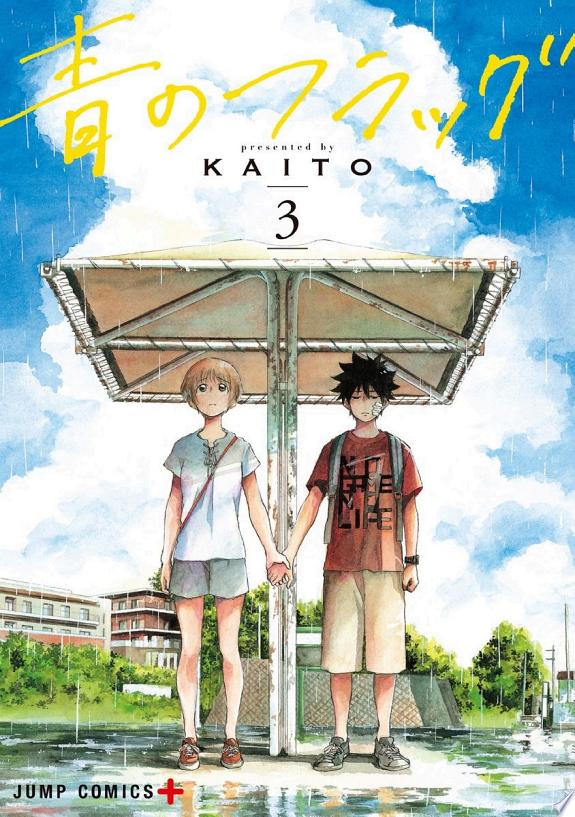
Blue Flag (Ao no Flag) Review — A High School Love Story Where Every Direction of Feeling Is the Wrong One, and All of Them Are Real
by KAITO
Read the first volume. If it doesn't hook you, put it down. It'll hook you.
Buy Blue Flag on Amazon →*Affiliate link — I earn a small commission at no extra cost to you.
I read Blue Flag a few years ago when I was figuring out some things about myself. The manga did not tell me what to do or who to be. It did show me four young people navigating overlapping feelings with care, and that care was useful to witness. I have given the manga to several friends since. It has been useful to them too.
Quick Take
- KAITO's 8-volume romance manga (2017–2020) about four high school students whose feelings overlap in directions none of them initially understand
- Among the most thoughtful queer-inclusive high school manga in current English publishing
- Age rating: T (Teen) — LGBTQ+ themes central; no explicit content
What Is Blue Flag / Ao no Flag About?
The Japanese title is 青のフラッグ (Ao no Flag, literally "Blue Flag"). The VIZ English release uses "Blue Flag." Both titles refer to the same manga.
Taichi Ichinose (一靜太一) is a high school senior. Quiet, somewhat withdrawn, no strong friend group. He has been seated, in the new school year, next to his childhood friend Touma Mita (三田トーマ) — the school's star athlete, captain of the baseball team, universally popular. Taichi and Touma were close as children but drifted apart in middle school.
Futaba Kuze (空勢二葉) is a quiet, anxious girl in their class. She has had a crush on Touma since freshman year. She has never been able to do anything about it.
In the manga's opening chapter, Futaba approaches Taichi with an unusual request: she needs help getting closer to Touma. Taichi, who has been carrying his own complicated feelings about Touma, agrees.
The next 8 volumes follow:
- Taichi helping Futaba pursue Touma — and what this requires Taichi to confront about his own relationship to both of them
- Touma's feelings — which the manga gradually reveals are not exactly what they appear
- Masumi Date (伊達真澄) — Futaba's best friend, an athletic, popular girl who runs track. Masumi loves Futaba. She has known for a long time. She watches Futaba pursue Touma while saying nothing
- The four-way structure — each character loves someone who loves someone else. KAITO refuses to make any of these feelings less valid than any other
The manga ends in volume 8. The ending makes specific choices about who ends up with whom; the choices have been discussed in fan communities but are emotionally earned by the buildup.
LGBTQ+ Content: How Is It Handled?
This is a top question many readers have, so let me address it directly.
Blue Flag is a queer-inclusive high school romance manga, on-page and not coded:
- At least two of the four main characters are queer (the specific resolution is part of the plot, but the queerness is text)
- One sustained queer relationship is central to the ending — rare in mainstream shounen-platform publishing
- Queer characters are not punished, killed, or used for tragedy
- Coming-out and identity questions are handled honestly — neither romanticized nor pathologized
For LGBTQ+ readers: Blue Flag is one of the manga most worth your time in this register. Published on Shonen Jump+ (Shueisha's digital shounen platform), the manga reached a mainstream Japanese shounen audience with explicit queer content — genuinely rare and noteworthy.
For straight readers: the queer content is integral. You will not be able to read the manga and treat it as side material. Some readers report that this manga changed how they understood the people in their lives.
Who Is This Manga For?
- LGBTQ+ readers wanting mainstream shounen-published queer romance
- High school romance fans who prefer serious emotional treatment over comedic fluff
- Slice-of-life readers comfortable with sustained character drama
- Anyone who has loved someone who loved someone else
- Not for: readers wanting light/breezy romance; readers wanting clear pairings established from chapter 1
Content Warnings & Age Rating
Age Rating: T (Teen) — 13+ Content Warnings: Central LGBTQ+ themes (depicted as positive but with the realistic complications of high school coming-out); sustained unrequited love; some emotional intensity; no explicit content; no violence
The T rating is accurate. The manga is appropriate for teen readers and is particularly recommended for queer teens needing to see their experiences reflected in fiction.
Characters
Taichi Ichinose — The protagonist. Quiet, observational, less popular than Touma but not lonely in a tragic sense. The manga uses Taichi as the reader's anchor; his perceptions are usually accurate but his self-perception lags behind his observation of others.
Touma Mita — The popular athlete. Touma is not what readers initially expect — KAITO writes him as a person who has been performing a specific social role and who is, gradually, allowing pieces of his real self to be visible to people who can be trusted with them. The Touma arc is the manga's emotional center.
Futaba Kuze — Anxious, gentle, in love with Touma in a way that is partly real attraction and partly her own self-construction. Her growth across the series — from a girl who needs help to a person with her own clear sense of what she wants — is the manga's most carefully built character arc.
Masumi Date — Athletic, popular, the friend-who-loves-the-friend trope handled with rare seriousness. Masumi knows what she feels. She has known for a long time. She has chosen not to act because she does not want to lose Futaba's friendship. The manga gives her dignity throughout.
Art Style
KAITO's art is clean, minimal, and built for emotional clarity. Character designs are distinct without being elaborate. The high school settings are rendered with documentary specificity.
The manga's most distinctive visual feature is silence. KAITO frequently uses dialogue-free panels — characters looking at each other, or away from each other — to do significant emotional work. The reader is asked to read faces and body language. The reading is rewarded.
Cultural Context
Blue Flag ran in Shonen Jump+ from 2017 to 2020. Shonen Jump+ is Shueisha's digital manga platform, sibling to the print Weekly Shonen Jump. Jump+ has hosted some of the most experimental and emotionally serious "shounen-adjacent" manga of the past decade (Spy x Family, Chainsaw Man, others).
Blue Flag's place on Shonen Jump+ is significant: a queer-inclusive romance manga published on a major Shueisha platform reaches an audience that would not necessarily seek out specialized BL or yuri imprints.
KAITO is the pen name of a Japanese manga author whose previous notable work was Cigarette and Cherry. KAITO's identity is private. Blue Flag is widely considered the author's masterpiece.
The series won 3rd place in the 3rd Next Manga Awards Web Manga category in 2018.
What I Love About It
The first time Masumi tells someone how she feels about Futaba.
I won't spoil specifics. Somewhere in the middle volumes, Masumi has been holding her feelings for Futaba quietly across years. The manga has shown the reader these feelings without Masumi articulating them. Then a specific conversation happens — Masumi tells one specific person (not Futaba) what she actually feels.
What I love is how KAITO handles the disclosure. It is not dramatic. Masumi does not break down. She does not have a coming-out speech. She just, in a quieter conversation, says the true thing. The person she tells receives it without making it a big deal. The conversation moves on. The disclosure has happened and the world has not ended.
That scene is the gift KAITO gives queer readers. Coming out, in the manga's world, can sometimes just be telling someone something true. It does not have to be a tragedy or a triumph. It can be a Tuesday afternoon. The world will still be the world. The person you trusted will still trust you back.
I cried at this scene when I first read it because nobody had ever told me, in fiction, that coming out could be a Tuesday afternoon. The manga gave me a story about that possibility.
Memorable Scene ⚠️ Light Spoiler
The epilogue.
The main story of Blue Flag ends in the last chapter of volume 8 with the immediate resolution of the high school timeline. KAITO then provides a brief epilogue showing the characters years later — established adults, lives built.
The epilogue is rendered with the manga's signature visual restraint. KAITO does not spell out who married whom or what specifically each character is doing now. The reader sees small snapshot panels and is meant to read the relationships from the images.
What I love about the epilogue is its kindness. KAITO refuses to make the high school relationships either tragic or triumphant when extended into adulthood. The characters have lives. Some of those lives are with the people they loved in high school. Some are not. None of these outcomes is presented as a defeat. The point of the epilogue is that all four characters got to keep living, and got to be the people they were finally becoming when the main story ended.
Similar Manga
| Title | Its Approach | How Blue Flag Differs |
|---|---|---|
| Our Dreams at Dusk (Kamatani) | LGBTQ+ life in seinen register | Our Dreams is broader-scope; Blue Flag is focused on four characters |
| Boys Run the Riot | Trans-inclusive shounen manga | Boys Run focuses on one character's experience; Blue Flag is ensemble |
| I Hear the Sunspot | Adult LGBTQ+ romance manga | I Hear is adult; Blue Flag is teen |
| Sweet Blue Flowers | Literary yuri | More yuri-genre-specific; Blue Flag crosses into mainstream shounen |
Reading Order / Where to Start
Volume 1. 8 volumes; can be read in a long weekend.
Official English Translation Status
VIZ Media published all 8 volumes in English in print and digital. Complete. Available widely on Amazon, Kindle, ComiXology, and VIZ's own platforms.
Pros & Cons
Pros
- One of the most thoughtful queer-inclusive high school romance manga in current English publishing
- All four protagonists are well-developed
- KAITO's visual restraint is exceptional
- 8 volumes complete with an earned ending
- Mainstream shounen platform with explicit queer content — rare and important
Cons
- The ending is divisive; some readers wanted different resolutions
- Slow pacing in some volumes
- The four-way structure may feel diffuse to readers wanting clearer pairings early
- The serious-romance register is an acquired taste. It won't land for everyone.
Is Blue Flag Worth Reading?
Yes. Among the most worthwhile romance manga of the late 2010s. The queer content is integral and handled with rare care. The 8-volume length makes it a manageable commitment.
Format Comparison
| Format | Notes |
|---|---|
| Physical (VIZ) | All 8 volumes available in English |
| Digital | Available via VIZ digital, Kindle, ComiXology |
Where to Buy
Read the first volume. If it doesn't hook you, put it down. It'll hook you.
This post contains affiliate links. If you purchase through these links, I may earn a small commission at no extra cost to you. As an Amazon Associate, I earn from qualifying purchases.
*Affiliate link — I earn a small commission at no extra cost to you.
More Manga You Might Like

Romance / Drama
Marmalade Boy
Yu's review of Marmalade Boy — Miki Koishikawa's parents announce they are divorcing and remarrying other people; the other couple happens to have a son, Yuu, who moves into the same house; the series follows Miki's developing feelings for Yuu in this extremely unusual living situation.
Romance / Drama
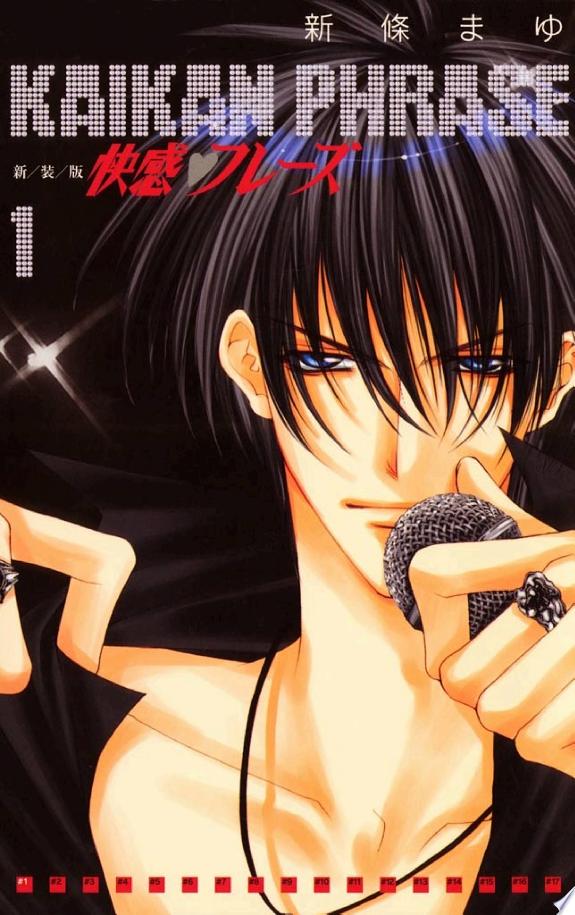
Sensual Phrase
A review of Mayu Shinjo's Sensual Phrase — 18 volumes in Shōjo Comic. Aspiring lyricist Aine Yukimura's words catch the attention of rock star Sakuya; they become entangled in a passionate and complicated relationship against the backdrop of 1990s J-rock. VIZ Media's English edition is complete.

Romance / Drama
Hot Gimmick
Yu's review of Hot Gimmick — Hatsumi Narita lives in company housing where her neighbor Ryoki holds a secret over her; what begins as coercive leverage develops into one of shoujo manga's most discussed and debated romantic triangles, with Hatsumi caught between childhood friend Shinogu, first love Azusa, and the controlling Ryoki; a romance that is controversial precisely because it depicts what it depicts without editorial distance.

Romance / Comedy
Kaguya-sama: Love Is War
Aka Akasaka's 28-volume romantic comedy (2015–2022) about Miyuki Shirogane and Kaguya Shinomiya, two student council officers at Japan's most elite high school who are both in love and both certain that whoever confesses first loses. Complete in English from VIZ Media.
Romance / Drama
Short Program
Short Program collects Mitsuru Adachi's short story manga — brief, precise studies of the moment when two people almost connect, or do connect, or miss each other by a margin that changes everything.

Romance / Drama
We Were There
A high school love story that follows its couple deep into adulthood, through a four-year silence, a mother's suicide, and the slow work of finding each other again.
Written by
Yu
Manga Enthusiast from Japan
I grew up in Japan and manga literally saved me during a tough time in elementary school. My English isn't perfect, but my love for manga is real — and I want to share it with you.
Disclosure: This post contains affiliate links. As an Amazon Associate, I earn from qualifying purchases at no extra cost to you.