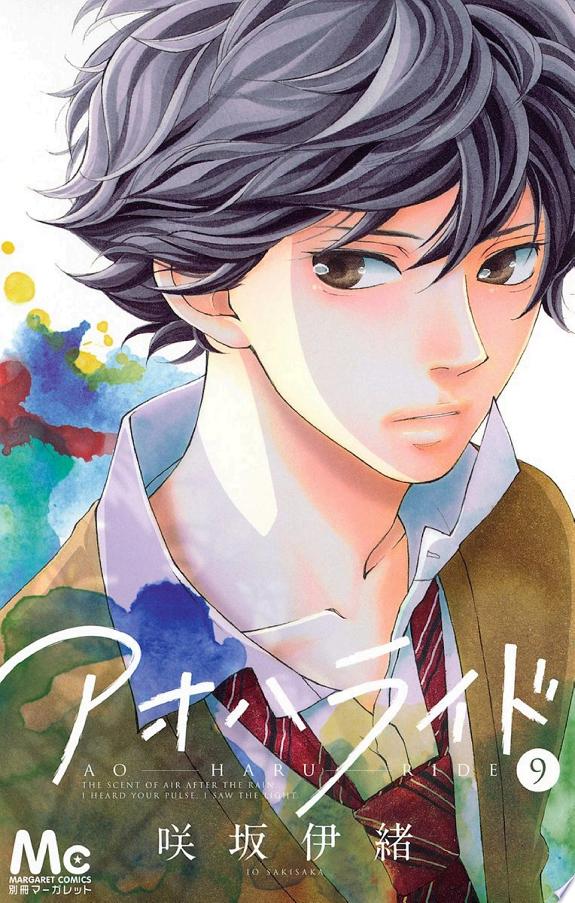
Ao Haru Ride Review: The Boy Who Came Back Under a Different Name
by Io Sakisaka
Read the first volume. If it doesn't hook you, put it down. It'll hook you.
Buy Ao Haru Ride on Amazon →*Affiliate link — I earn a small commission at no extra cost to you.
When I was in middle school, there was a kid I sat next to for one term who treated me like I was worth talking to, back when almost nobody did. Then his family moved and he was just gone — no goodbye, no number, nothing. For years I'd see a boy on a train with the same set to his shoulders and my chest would do something stupid before my brain caught up and reminded me it wasn't him.
That feeling — the one where a person from your past walks back into your life and you don't know whether you're happy or terrified — is the entire engine of Ao Haru Ride. Futaba liked a quiet boy named Kou Tanaka. He disappeared. She finds him again in high school, except now he goes by Mabuchi, and he's cold in all the places he used to be warm. I read this expecting a soft shojo romance. What I got was a story about how grief rewrites a person, and how much patience it takes to love someone who came back wrong.
Quick Take
- A girl finds her middle-school first love again in high school — but he changed his name, went cold, and won't explain what happened to him
- Io Sakisaka writes a slow-burn shojo where the male lead's grief is the real obstacle, and the female friendships carry as much weight as the romance
- 13 volumes, complete, with a satisfying full-circle ending — rated T (Teen)
Story Overview
Futaba Yoshioka spent middle school being quietly resented by other girls for being too well-liked by boys, so in high school she made a decision: be loud, eat messily, be deliberately un-cute, so the girls would accept her. The one person she'd actually liked back then was Kou Tanaka — a soft-spoken boy she bonded with one rainy day at a shrine, when he sheltered her under his gym jacket instead of a real umbrella. Then his parents separated, he moved to Nagasaki with his mother, and he vanished from her life before either of them could say anything real.
In high school she runs into him again. He's the same face, but he introduces himself flatly: it's Mabuchi now, his mother's maiden name. He's distant, sharp, sometimes cruel. The warm boy is gone. The turning point of the early volumes is Futaba learning why: Kou's mother died while he was living with her, and the guilt and grief of that — plus his fractured relationship with his father and older brother — calcified into the cold shell he wears.
From there the series widens into an ensemble. Futaba, Kou, and classmates Yuri, Shuko, and Kominato form a genuine friend group through the class-representative duties and a study group that becomes the emotional center of the back half. The romance complicates: Yuri develops feelings for Kou too; Futaba dates the kind, attentive Toma Kikuchi for a stretch; Kou's childhood friend Yui Narumi arrives and Kou nearly sacrifices his own happiness out of obligation to her. Eventually he recognizes that protecting Yui is keeping him stuck, steps back, and finally pursues Futaba directly. They confess, and in the final volume the story closes the loop: a couple now, back at a shrine in the rain, echoing the words they said as middle schoolers — and Kou takes his old surname, Tanaka, back, signaling he's finally forgiven himself enough to be happy.
Characters
Futaba Yoshioka — Her arc is the strongest thread. She starts the series performing a fake, un-cute version of herself to avoid the social punishment she got in middle school, and the whole story is her learning she can be genuinely herself — kind, earnest, a little awkward — without losing the people she cares about. Her growth isn't tied to "getting the boy"; it happens whether or not Kou comes around.
Kou Mabuchi / Tanaka — On paper he's the cold shojo love interest, but Sakisaka gives the coldness a specific cause: his mother's death and the family estrangement that followed. His insistence on the Mabuchi name ("it's Mabuchi now") is a small act of self-punishment, and his arc is the slow work of letting himself want things again. Reclaiming "Tanaka" at the end is the payoff of that whole interior journey.
Yuri Makita — Futaba's close friend who also falls for Kou. The series handles this with unusual grace: rather than a catty rivalry, Futaba and Yuri admit their feelings to each other honestly and choose the friendship. Yuri later moves on and dates Uchiyama.
Toma Kikuchi — The genuinely good guy Futaba dates for part of the story. He's not a villain or a consolation prize; he's kind and supportive, which is exactly what makes the eventual choice hard. He's the proof the love triangle has real stakes.
Shuko Murao & Aya Kominato — The secondary couple. Shuko goes from prickly and closed-off to forming real friendships and accepting Kominato's steady, patient interest. Their subplot mirrors the main one in miniature: someone guarded learning to let people in.
What I Love About It
The female friendships, and one scene in particular. When Futaba realizes that Yuri — her own close friend — has fallen for Kou at the same moment Futaba understands her own feelings haven't gone away, the genre script says we're heading for a quiet, poisonous rivalry. Instead, Futaba tells Yuri the truth: that she likes Kou too. And because the friendship genuinely matters to both of them, they talk it through and agree to wish each other luck.
I love that Sakisaka refuses to make the other girl an obstacle. So much shojo treats a romantic rival as an enemy to be defeated, and the heroine's worth gets measured by whether she "wins" the boy. Ao Haru Ride says no — Futaba and Yuri's honesty with each other is treated as more important than either of their crushes, and neither girl is diminished for wanting the same person. That single conversation told me what kind of story I was reading: one where the girls are full people with their own lives, not set dressing for the romance. It's the reason the whole cast feels alive instead of like a delivery system for a couple.
Memorable Scene ⚠️ Spoiler Warning
The ending brings everything full circle, and it's built on a callback I didn't see coming until it landed. Back in middle school, the moment Futaba first connected with Kou was at a shrine in the rain, when he shielded her with his gym jacket because they had no umbrella — that memory is literally how she's able to recognize the changed, renamed boy in high school as the same person.
In the final volume, they return to a shrine in a downpour, now together as a couple, and repeat the same words they'd said to each other as kids. The two halves of the story — the warm boy who vanished and the cold one who came back — fold into one. And then Kou drops "Mabuchi" and takes "Tanaka" again. After thirteen volumes of him carrying his mother's death like a name he had to wear, that quiet choice says he's forgiven himself, his father, and his brother, and he's finally letting himself be happy. The rain bookending the whole series is the kind of structural patience that made me trust Sakisaka had known where she was going the entire time.
Pros & Cons
Pros
- Both leads get real, earned character development — Futaba's self-acceptance and Kou's grief arc
- Female friendships are treated as genuinely central, not supporting cast for the romance
- The love triangle has real stakes because Toma is a genuinely good option
- 13 volumes, complete, with a satisfying full-circle ending
Cons
- Kou's coldness in the early volumes runs long before the backstory justifies it
- The middle volumes sag a little once the friend group stabilizes
- Kou's late self-sacrifice for Narumi frustrated me — the logic of pushing Futaba away to "protect" a friend doesn't fully hold up
- The slow burn and push-pull are either the appeal or the dealbreaker depending on your patience for the genre — this won't work for everyone.
Is Ao Haru Ride Worth Reading?
Yes, if you want a shojo romance where the obstacle is grief rather than contrived misunderstanding, and where the heroine's female friendships matter as much as the boy. It's a slow burn with a male lead who's frustrating before he's sympathetic — but Sakisaka pays off every beat, and the full-circle ending earns the patience. If you have no tolerance for a cold love interest or romantic push-pull, look elsewhere.
Who Is This Manga For?
- Readers who love classic shojo with genuine emotional depth
- Anyone who's tried to reconnect with someone who became a different person
- Fans of "what happened to you" mysteries driving a romance
- Readers who want ensemble casts where the female friendships carry real weight
Art Style
Sakisaka's art is clean, warm shojo — expressive faces, smart use of negative space, and clear emotional beats. Her character designs are appealing without slipping into generic. The linework is consistent throughout, and she saves her strongest, most open expressions for the key emotional turns, so the big moments actually read as bigger on the page.
Cultural Context
Futaba's opening move — deliberately making herself un-cute so the other girls won't resent her — comes from a real social pressure on Japanese girls to manage their visibility and not be "too popular" with boys. Non-Japanese readers may need to sit with that, because it's the root of Futaba's whole arc: her self-suppression makes complete sense in context, and watching her unlearn it is most of why her growth lands.
What English-Speaking Fans Say
Western readers consistently praise the character work and the handling of the female friendships — Futaba and Yuri's honesty with each other gets singled out as more mature than the genre usually manages. The most common criticism is that Kou reads as a standard cold-tsundere love interest for too long before his backstory justifies it, and some readers find his late decision to push Futaba away for Narumi's sake hard to accept. The general verdict: readers who stick with it find the payoff worth it, and the manga resolves the story more completely than the anime, which only adapts the early arc.
Similar Manga
| Title | Its Approach | How Ao Haru Ride Differs |
|---|---|---|
| Strobe Edge | Same author; a longer, slower first-love triangle | Ao Haru Ride is tighter at 13 volumes and built around grief and a renamed boy rather than a pure crush |
| Fruits Basket | More fantasy framing and heavier childhood trauma | Ao Haru Ride keeps it grounded in ordinary school life with no supernatural element |
| Horimiya | Lighter, comedic "hidden selves" premise | Ao Haru Ride treats the hidden self as a wound to heal, not a fun reveal |
Reading Order / Where to Start
Volume 1. It's a single linear story; all 13 volumes read comfortably over a week.
Official English Translation Status
VIZ Media published the complete 13-volume series in English. Every volume is available in print and digital.
Where to Buy
Read the first volume. If it doesn't hook you, put it down. It'll hook you.
This post contains affiliate links. If you purchase through these links, I may earn a small commission at no extra cost to you. As an Amazon Associate, I earn from qualifying purchases.
*Affiliate link — I earn a small commission at no extra cost to you.
More Manga You Might Like
Romance / Drama
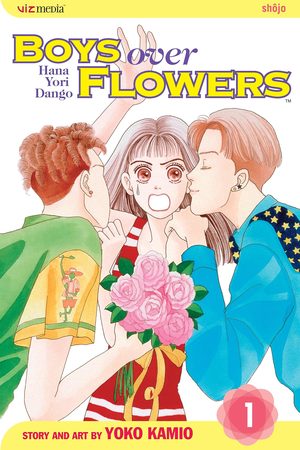
Boys Over Flowers (Hana Yori Dango)
Yu's review of Boys Over Flowers — Tsukushi Makino is a working-class scholarship student at Eitoku Academy, a school ruled by the F4. When she fights back against their bullying instead of breaking, she becomes the obsession of their leader, Tsukasa Domyoji.

Romance / Drama
Sweet Blue Flowers
Yu's review of Sweet Blue Flowers — Fumi Manjoume and Akira Okudaira were childhood best friends who lost contact; they meet again in high school; Fumi is going through a heartbreak and beginning a new relationship with a senior girl while discovering who she is; Akira watches, loves, and cannot yet name it.
Romance / Drama
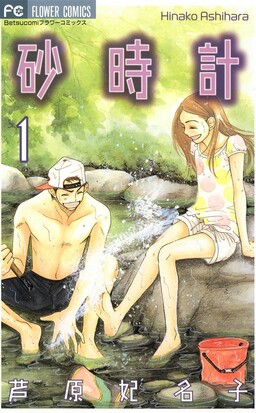
Sand Chronicles
Yu's review of Sand Chronicles — Ann Uekusa moves from Tokyo to rural Shimane after her parents' separation; her mother's death by suicide shapes everything that follows; the series follows Ann from childhood through adulthood with unflinching attention to grief, depression, and the slow work of becoming a whole person.

Romance / Drama
Orange
Yu's review of Orange — on the first day of high school, Naho receives a letter from herself ten years in the future, listing the regrets she has about a classmate named Kakeru, and warning her to save him before it's too late.
Romance / Shojo
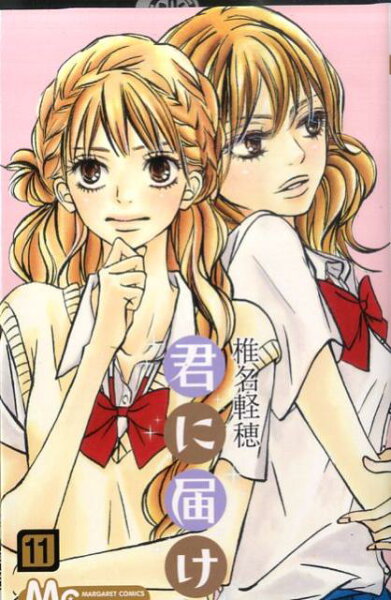
Kimi ni Todoke: From Me to You
Yu's review of Kimi ni Todoke — Sawako Kuronuma is avoided by her classmates because she resembles the horror movie character Sadako, but when the most popular boy in class actually speaks to her, her world begins to change.
Romance
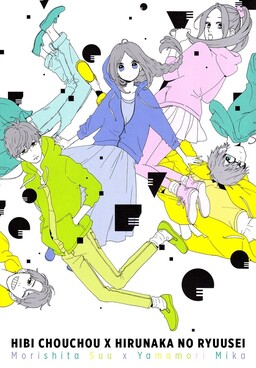
Hibi Chouchou: Everyday Butterflies
Yu's review of Hibi Chouchou: Everyday Butterflies — Suiren Shibazeki is so beautiful and quiet that people find her unapproachable; Kawasumi is so internally focused that he barely notices others; they notice each other, and what follows is one of the most unhurried and genuinely tender slow-burn romances in shojo manga.
Written by
Yu
Manga Enthusiast from Japan
I grew up in Japan and manga literally saved me during a tough time in elementary school. My English isn't perfect, but my love for manga is real — and I want to share it with you.
Disclosure: This post contains affiliate links. As an Amazon Associate, I earn from qualifying purchases at no extra cost to you.