Aishiteruze Baby Review: The Shojo Romance Where a Five-Year-Old Teaches a Playboy How to Love
by Yoko Maki
Read the first volume. If it doesn't hook you, put it down. It'll hook you.
Buy Aishiteruze Baby on Amazon →*Affiliate link — I earn a small commission at no extra cost to you.
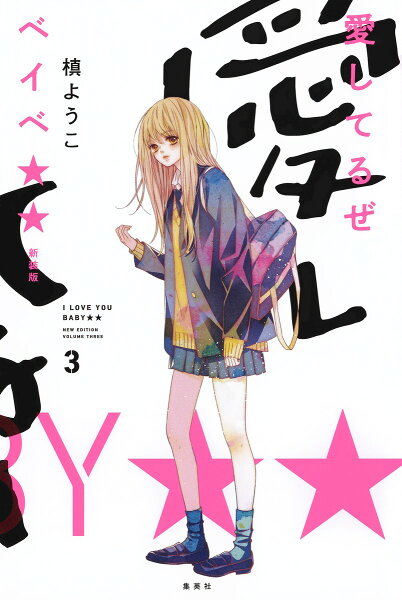
I almost skipped this one because the cover looked too sweet. A grinning high school boy holding a tiny girl with pigtails, a magazine-pink title with little stars on it — I assumed it was fluff. It is not fluff. About two volumes in, there's a scene where a five-year-old refuses to take off her torn pajamas because her missing mother bought them, and she's terrified that if they fall apart she'll forget what her mother's face looks like. I had to put the book down. I grew up feeling invisible, and this manga understands something about being a kid who isn't sure anyone will come back for you.
Aishiteruze Baby (愛してるぜベイベ★★) by Yoko Maki ran in Ribon from 2002 to 2005 — seven volumes, completed, published in English by VIZ Media. On the surface it's a shojo romance. Underneath, it's about who shows up.
Quick Take
- A teenage Casanova is forced to raise his abandoned 5-year-old cousin, and grows a heart he didn't know he had.
- The romance works because it's built on watching someone become responsible, not on swooning.
- Rated T (Teen) — but be warned, it deals with child abandonment, abuse, bullying, and self-harm under that cute cover.
Story Overview
Kippei Katakura is the kind of high schooler who has a different girl on his arm every week and never thinks past the next flirtation. Then his aunt Miyako vanishes, leaving her five-year-old daughter Yuzuyu behind at the Katakura house. Kippei's family decides that he — the most irresponsible person in the building — will be Yuzuyu's primary caretaker. The logic is basically "this will teach him something." It does.
At first he's hopeless. He oversleeps, can't braid her hair, doesn't understand why she cries. But Yuzuyu's need is real and constant, and slowly Kippei stops performing and starts actually parenting. Watching this is a quiet classmate named Kokoro Tokunaga, who lost her own mother young and recognizes in Yuzuyu a loneliness she knows from the inside. She starts cold toward Kippei and warms only as she sees him keep choosing the little girl over his own convenience.
The series isn't all warmth. Yuzuyu's mother didn't leave out of cruelty — her husband died, she couldn't cope alone, and one day she struck her daughter and was so horrified at herself that she fled, promising to come back when she was strong enough to be a real mother. The manga sits with that. It also handles a stalker who torments Yuzuyu, Kokoro's fractured relationship with her grieving father, and themes of self-harm that are genuinely startling for a Ribon title. The manga ends differently from the anime: Miyako returns, and Kippei and Yuzuyu have to say goodbye. Years later he gets a letter from a now-teenage Yuzuyu thanking him for raising her.
Characters
Kippei Katakura — He begins as a charming flake whose entire identity is being wanted by girls. The whole arc of the manga is him discovering that being needed by one small person is heavier and more meaningful than being wanted by many. He never stops being a bit of a goof, but he becomes someone who will skip anything to pick Yuzuyu up on time.
Yuzuyu Sakashita — The five-year-old. She is not "comic relief cute" — she's a child processing abandonment in real time. Her great fear is forgetting her mother's face, which is why she clings to the pajamas her mother made and panics when they tear. She tries desperately not to be a burden, which is the most heartbreaking thing a small child can do.
Kokoro Tokunaga — The love interest, and far more than a love interest. Her mother died when she was young, and afterward her father boxed away all of his late wife's photos and belongings to stop Kokoro's endless crying — but Kokoro read that as her father not caring, and the rift never fully healed. Her empathy for Yuzuyu comes from this wound. She falls for Kippei not because he's handsome but because she watches him refuse to abandon a child the way the adults in her own life emotionally abandoned her.
Miyako (Yuzuyu's mother) — Not a villain. A widowed mother who broke under grief, hit her child once, and ran rather than risk doing it again. Her return at the end is built on her having gotten well enough to deserve her daughter back, which is why the reunion lands as bittersweet rather than triumphant.
What I Love About It
The torn pajamas. Yuzuyu has been separated from her mother long enough that the memory of her face is starting to blur, and she's decided that the pajamas her mother gave her are the thread holding that memory together. So she wears them until they fall apart, and refuses to change even when they're torn, because changing means letting go. It's such a small, specific, exactly-right way to draw how a child grieves a person who isn't dead, just gone. A kid can't articulate "I'm afraid of losing my attachment to my mother," so the manga gives her an object to clutch instead, and it wrecked me.
What makes it work is that the manga doesn't solve it with a hug. The thing that actually helps is Kokoro — who lost a mother for real — talking to Yuzuyu about their mothers and about being lonely. Two people at completely different stages of the same grief, comforting each other. That's the whole thesis of the book in one quiet conversation: the people who heal you are the ones who've been where you are. Yoko Maki could have played this for cheap tears. Instead she earns every one of them.
Memorable Scene ⚠️ Spoiler Warning
There's an arc with a girl obsessed with Kippei who perceives little Yuzuyu as a rival for his attention. She corners Yuzuyu when the child is alone and tells her, point-blank, that nobody wants an abandoned orphan, that everyone hates her — and throws away Yuzuyu's crayons. For a five-year-old already terrified that she's a burden no one will keep, this is the cruelest possible wound. Yuzuyu spirals, becoming desperate to do anything to keep Kippei from leaving her too.
The reason this sticks with me isn't the cruelty — it's that the manga refuses to let an adult-shaped problem (a jealous stalker) be solved cleanly. The damage to Yuzuyu is real and lingers. And the resolution isn't Kippei beating anyone; it's him simply, firmly rejecting the stalker and then showing up for Yuzuyu, over and over, until the lie she was told stops being load-bearing. A shojo manga that understands you reassure a frightened child with consistency, not grand gestures, is a manga paying attention.
Pros & Cons
Pros:
- A complete seven-volume story with a real, earned ending — no waiting, no dangling threads.
- The Kippei-to-caretaker arc is one of the most satisfying in early-2000s shojo.
- Heavy themes (abandonment, abuse, self-harm) handled with surprising care for the genre and era.
Cons:
- The early-2000s Ribon art and tropes will read as dated to some.
- The tonal swings between slapstick comedy and serious trauma can feel abrupt.
- It's a sweet, slow domestic story at heart — if you want plot momentum or a spicier romance, this isn't that.
Is Aishiteruze Baby Worth Reading?
Yes — if you want a shojo romance that's really a story about responsibility and showing up for people. It's complete, it's emotionally honest about childhood grief, and the romance is a reward for character growth rather than the whole point. Skip it only if dated 2000s shojo aesthetics or heavy comedy-to-trauma whiplash are dealbreakers for you.
Who Is This Manga For?
- Readers who like Bunny Drop-style "young adult suddenly parenting a small child" stories.
- Fans of classic Ribon / 2000s shojo who want emotional weight, not just sparkles.
- Anyone who responds to stories about abandonment, found family, and being chosen.
- People who want a finished series they can read in one or two sittings.
Content Warnings & Age Rating
Age Rating: T (Teen) Content Warnings: child abandonment, child abuse, bullying, self-harm
The cover is cute and the marketing is sweet, but this series deliberately walks into some dark places — a mother who hits her child, a kid told she's unwanted, and self-harm themes unusual for a shojo magazine. Worth knowing before you hand it to a younger reader.
Yu's Rating
| Category | Score |
|---|---|
| Story Depth | ★★★★☆ |
| Art Style | ★★★☆☆ |
| Character Development | ★★★★★ |
| Accessibility for Non-Japanese Readers | ★★★★☆ |
| Reread Value | ★★★★☆ |
Overall: 4/5 — A deceptively gentle cover hiding one of the warmest, most honest family stories in 2000s shojo.
Similar Manga
| Title | Its Approach | How Aishiteruze Baby Differs |
|---|---|---|
| Bunny Drop (Usagi Drop) by Yumi Unita | A single bachelor takes in his late grandfather's young daughter and learns to parent | Aishiteruze Baby filters the same premise through a teenage playboy and a shojo romance, not a seinen slice-of-life |
| Fruits Basket by Natsuki Takaya | Found family and childhood trauma healed through gentle connection | Aishiteruze Baby grounds its trauma in literal childcare and a parent-child bond rather than a curse/fantasy frame |
| Beauty Pop by Kiyoko Arai | Another 2000s Ribon shojo built on character growth and warmth | Aishiteruze Baby trades the school-club comedy for caregiving and far heavier emotional stakes |
Where to Buy
Read the first volume. If it doesn't hook you, put it down. It'll hook you.
This post contains affiliate links. If you purchase through these links, I may earn a small commission at no extra cost to you. As an Amazon Associate, I earn from qualifying purchases.
*Affiliate link — I earn a small commission at no extra cost to you.
More Manga You Might Like
Romance / Slice of Life
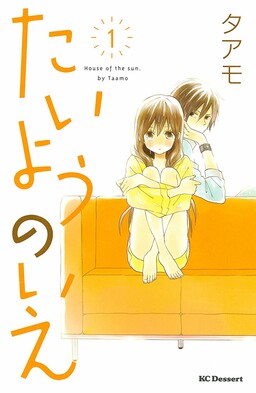
House of the Sun (Taiyou no Ie)
Yu's review of House of the Sun (Taiyou no Ie) — Mao Motomiya, whose home life fell apart when her father remarried, finds herself staying at the house of Hiro, her cheerful childhood friend; his large, warm family gradually becomes the home she didn't know she needed, and the romance that develops is built on that foundation.

Romance / Comedy
I Hate You More Than Anyone
Yu's review of I Hate You More Than Anyone — Kazuha Yoshida is the eldest of seven siblings and has been fighting with next-door neighbor Seiichi Tennozu since childhood; the series follows how their determined hatred gradually reveals itself as something more complicated and more honest across 9 volumes.
Romance / Drama
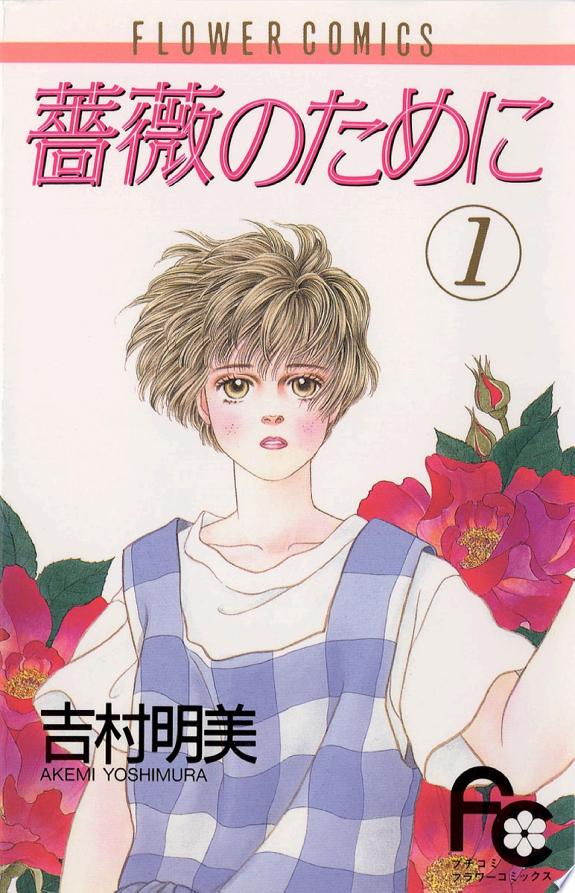
Bara no Tame ni
Bara no Tame ni follows Yuri Makurano, a plain, orphaned girl who learns her actress 'mother' is alive — along with three glamorous half-siblings — and a buried secret about her real parentage. An award-winning Shogakukan shojo drama by Akemi Yoshimura.
Romance / Slice of Life
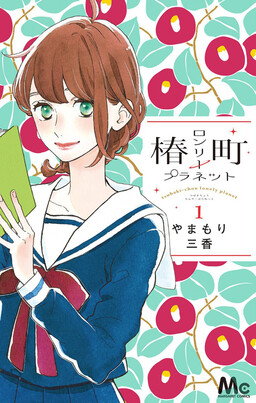
Tsubaki-chou Lonely Planet
Yu's review of Tsubaki-chou Lonely Planet — Fumi Ohara's father's gambling debts leave her without a home; she takes a job as a live-in housekeeper for Akatsuki Kibikino, a young novelist who works from home, has no patience for people, and is completely unprepared for someone like Fumi.
Romance / Fantasy
Meru Puri: Märchen Prince
Yu's review of Meru Puri — a high school girl discovers a tiny boy has tumbled through a magic mirror into her home; he's actually a prince who ages rapidly when in darkness.
Romance / Slice-of-Life
Backstage Prince
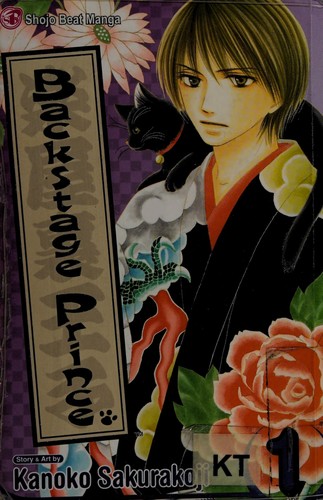
Akari accidentally bruises the school's untouchable kabuki star — and becomes the only person, besides his cat, he can stand. A complete two-volume shojo romance.
Written by
Yu
Manga Enthusiast from Japan
I grew up in Japan and manga literally saved me during a tough time in elementary school. My English isn't perfect, but my love for manga is real — and I want to share it with you.
Disclosure: This post contains affiliate links. As an Amazon Associate, I earn from qualifying purchases at no extra cost to you.