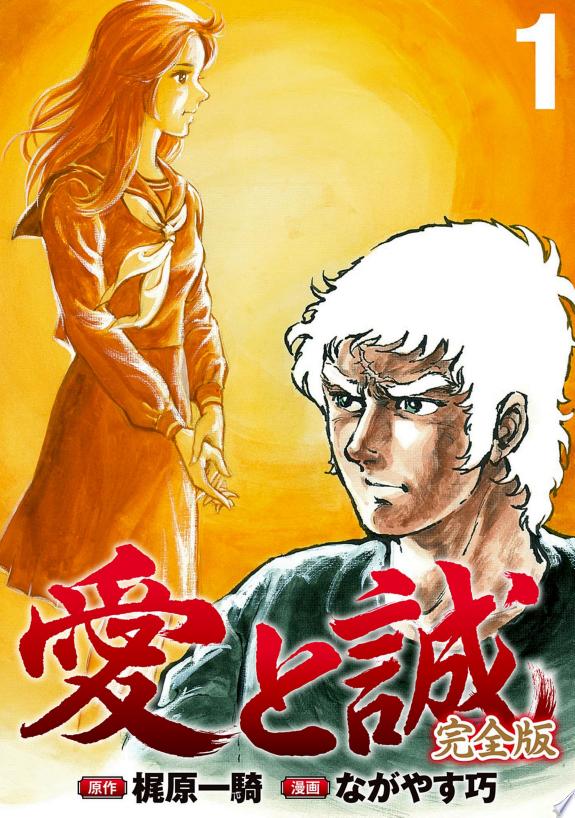
Ai to Makoto Review: The Violent Romance That Defined a Generation of Delinquent Love Stories
by Ikki Kajiwara (story) / Isamu Nagatani (art)
Read the first volume. If it doesn't hook you, put it down. It'll hook you.
Buy Ai to Makoto on Amazon →*Affiliate link — I earn a small commission at no extra cost to you.
I want to be honest with you before we start: I cannot recommend this manga the way I recommend most things on this site. What I can do is explain why it matters — why it is still discussed in Japan decades after it ran, why a director like Takashi Miike remade it in 2012, and what it tells you about how Japanese popular culture thought about love in the 1970s.
Ai to Makoto is important. It is also deeply uncomfortable, in ways that are worth understanding before you approach it.
Quick Take
- One of 1970s manga's most culturally significant romances — enormously popular in its era and influential on everything that followed
- The relationship dynamics are genuinely coercive by contemporary standards; the narrative presents them as romantic devotion
- Age Rating: M (Mature) — no English translation exists; important for understanding where delinquent romance as a genre came from
Who Is This Manga For?
- Manga historians studying the development of romance in shonen manga
- Readers interested in 1970s Japanese popular culture and its representations of gender and class
- Fans of classic delinquent manga who want the genre's romantic dimension understood in context
- Not recommended for readers who cannot engage critically with coercive relationship dynamics framed as romance
Content Warnings & Age Rating
Age Rating: M (Mature) Content Warnings: Delinquent violence throughout; the central relationship involves coercion and physical force that the narrative frames as romantic devotion — this is a product of its era and should be approached with critical awareness
This is a historical artifact, not a model.
Story Overview
As a child, Ai Saotome is saved from a dangerous situation by a boy named Makoto Taiga. He disappears from her life. She spends years searching for him.
When she finds him, he is everything her wealthy family is not: violent, poor, a delinquent with no interest in respectability or in Ai's devotion. Ai does not care. She has decided she loves him. She will persist regardless of what he does or says.
Makoto does not want to be loved this way. He responds with hostility — sometimes with violence. Ai does not leave. The series runs this dynamic across twenty volumes: class warfare, gang confrontations, the opposition of Ai's family, rivals and enemies who want to separate them, and through all of it Ai's complete self-abnegation in service of her love for a man who explicitly does not want it.
The manga's ending is tragic: Makoto is stabbed on a beach in the climax. The violent conclusion was consistent with the genre conventions of the era.
The series ran in Weekly Shonen Magazine from 1973 to 1976. It was adapted into multiple films — a 1974 version that earned approximately 900 million yen at the box office in Japan, and Takashi Miike's 2012 musical remake, which is worth watching for its critical distance on the source material.
Characters
Ai Saotome — A protagonist whose complete devotion to Makoto is the series' central emotional statement. Contemporary readers will recognize the pattern as unhealthy at best; the 1970s narrative presents it as the highest form of love. Understanding the gap between those two readings is most of what the series is useful for.
Makoto Taiga — The beloved whose hostility is the series' primary conflict. His gradual change — whether and how much the wall around him yields across twenty volumes — is the question the series asks throughout.
Iwashimizu Hiroshi — A friend who carries his own quiet feelings for Ai, serving as the series' honest perspective on what Makoto is and what Ai is choosing.
Art Style
Isamu Nagatani's art renders the delinquent world — its fashions, hierarchies, and specific visual codes — with genuine knowledge. The fight scenes are dynamic. The expressiveness of the character work carries the emotional content of a story that relies heavily on unspoken feeling.
Cultural Context
Ai to Makoto ran from 1973 to 1976 and was one of the most-read manga of its era. The template it established — devoted girl, violent boy, love that overcomes the beloved's explicit rejection — appears across decades of subsequent manga, anime, and live-action drama. To understand later works in the delinquent romance genre — Hana Yori Dango, Boys Over Flowers, and their descendants — you need to understand what this series established and normalized.
Understanding this does not excuse the content's problems; it contextualizes their cultural function. What the series presented as devotion was romantic genre convention in 1970s Japan, not outlier content.
What I Love About It
Honesty: I cannot say I love this manga.
What I can say is that Miike's 2012 adaptation is worth your time. He turns the same material into something between sincere melodrama and self-aware parody in a way that is genuinely interesting — he takes the premise seriously enough to feel it and critically enough to let you see it. Watching the two versions in conversation with each other is more illuminating than either alone.
Memorable Scene ⚠️ Spoiler Warning
The beach climax — Makoto stabbed, Ai's response to the violence that has been the story's constant companion finally landing in irreversible consequence — captures the series' central tension in its most direct form. The tragedy is not surprising; it is consistent with what the series has been saying about violence and devotion throughout.
Similar Manga
| Title | Its Approach | How Ai to Makoto Differs |
|---|---|---|
| Hana Yori Dango | Later-era class-conflict romance, updated dynamics | Hana Yori Dango is in conversation with this series and offers a more complex update |
| Crows | Violent delinquent masculinity, without the romance | Crows focuses on the masculine hierarchy side of the same cultural moment |
| Glass Mask | Same 1970s era, different gender treatment | Glass Mask gives its female protagonist genuine interiority; Ai to Makoto does not |
Pros & Cons
Pros
- Culturally significant artifact of 1970s Japanese popular romance
- Influential on decades of subsequent manga and drama
- Nagayasu's art is consistently strong
- The 2012 Miike film is an excellent critical companion piece
Cons
- No English translation
- Relationship dynamics are coercive; requires genuine critical distance
- The romantic framing of violence is a real problem, not a minor caveat
- The ending is tragic without being cathartic
Is Ai to Makoto Worth Reading?
For manga historians and readers interested in the genre's roots — yes, with full awareness of what you are engaging with. For general readers — the 2012 Miike film is a more accessible and critically aware version of the same material.
Where to Buy
No English release yet. That just means you find it before everyone else does.
This post contains affiliate links. If you purchase through these links, I may earn a small commission at no extra cost to you.
*Affiliate link — I earn a small commission at no extra cost to you.
More Manga You Might Like
Romance / Drama
Short Program
Short Program collects Mitsuru Adachi's short story manga — brief, precise studies of the moment when two people almost connect, or do connect, or miss each other by a margin that changes everything.
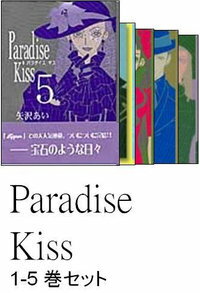
Romance / Drama
Paradise Kiss
Yu's review of Paradise Kiss — Yukari, a high-achieving student who has never questioned her path, is spotted by fashion students and asked to model their graduation collection; George, the designer, becomes the first person who sees who she might actually be.
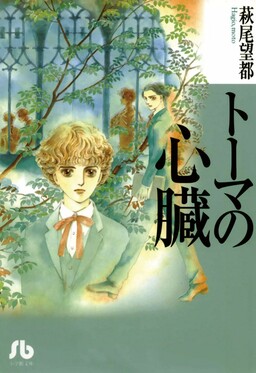
Romance
The Heart of Thomas
Yu's review of The Heart of Thomas — Thomas Werner falls from a bridge at a European boarding school, leaving behind a letter declaring his love for Juli; Juli, the student Thomas adored, must now live with having rejected Thomas's love, while a new student who resembles Thomas arrives at the school.

Romance / Drama
Fruits Basket
Yu's review of Fruits Basket — a girl who has lost everything moves in with a family cursed to transform into animals of the Chinese zodiac, and slowly melts the ice that generations of abuse built around their hearts.
Drama / Romance
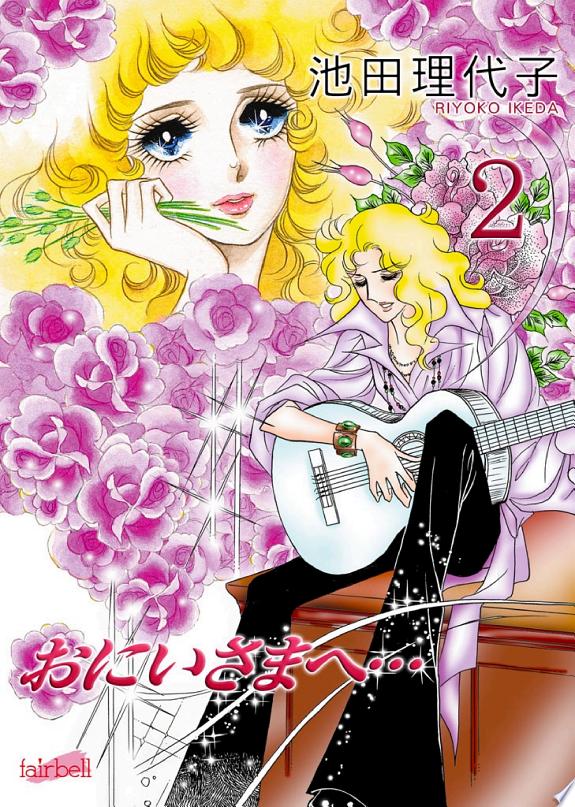
Brother, Dear Brother
A new student at an elite girls' academy gets pulled into a sorority's poison politics in Riyoko Ikeda's haunting epic.
Romance / Drama
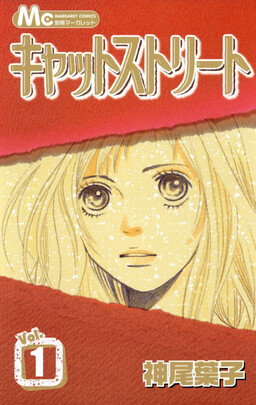
Cat Street
Yu's review of Cat Street by Yoko Kamio (Boys Over Flowers) — Keito Aoyama, a former child actress who froze on stage and shut herself away for years, enrolls in El Liston, a free school for kids who can't fit the normal one, and slowly learns how to be a person again.
Written by
Yu
Manga Enthusiast from Japan
I grew up in Japan and manga literally saved me during a tough time in elementary school. My English isn't perfect, but my love for manga is real — and I want to share it with you.