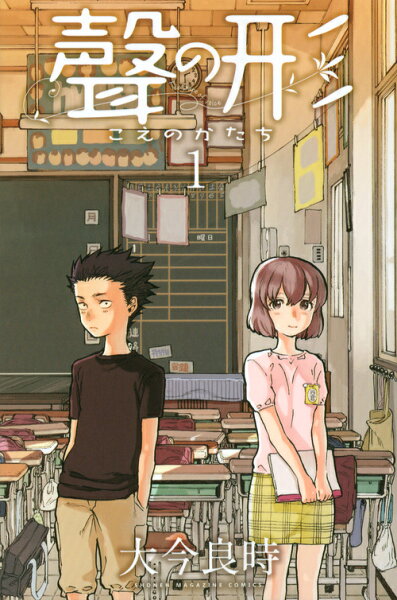
A Silent Voice Review: A Bully, His Victim, and the Long Road Toward Something Like Forgiveness
by Yoshitoki Oima
Read the first volume. If it doesn't hook you, put it down. It'll hook you.
Buy A Silent Voice on Amazon →*Affiliate link — I earn a small commission at no extra cost to you.
When I was in elementary school I knew kids who were treated the way Shoko Nishimiya is treated in this manga. I was not the one doing it, but I was also not the one stopping it. I think about that sometimes. A Silent Voice is the manga that made me think about it most directly — not because it lectures you, but because it is honest about what it looks like from the inside of both positions.
Quick Take
- Shoya bullied Shoko — a deaf transfer student — throughout elementary school; years later, having spent that time unable to forgive himself, he finds her again
- One of manga's most serious and carefully constructed engagements with bullying, disability, and what comes after
- Age Rating: T (Teen) — 7 volumes, complete; the Kyoto Animation film adaptation is equally exceptional
Who Is This Manga For?
- Readers who want manga that takes difficult emotional subjects seriously and treats them with care
- Anyone who has experienced isolation — imposed by others or by yourself
- Fans of slow, emotionally precise storytelling where the psychology matters more than the plot
- Readers who can engage with heavy content — bullying, suicidal ideation — that is handled responsibly
Content Warnings & Age Rating
Age Rating: T (Teen) Content Warnings: Bullying depicted realistically and without glorification; themes of suicide and suicidal ideation; severe long-term self-hatred; a deaf character's repeated experience of ableism — these are the story's content, not its background
The content is handled with genuine care. It is not gratuitous. It is also not softened.
Story Overview
Shoya Ishida bullied Shoko Nishimiya — a deaf transfer student — throughout elementary school. He destroyed her hearing aids repeatedly, isolated her, turned the class against her. When the bullying was discovered, his classmates redirected all blame onto him alone. He spent middle and high school as an outcast, social X marks his way of seeing everyone around him — a visual choice by Oima that she maintains throughout the manga.
In high school, Shoya has spent years in a kind of suspended self-punishment. He has made a decision about his future. Before he carries it out, he finds Shoko — he has learned sign language, he has returned the notebook she gave him in elementary school, he wants to say something. He is not certain what.
What follows is not a redemption arc in the standard sense. Shoya does not "make it right." What he does is slowly, awkwardly, with significant failure along the way, try to exist in proximity to Shoko and to the people from their shared past. The group of former classmates gradually reassembles — not all of them ready to acknowledge what happened, some of them actively avoiding it.
The story reaches its emotional crisis when Shoko, having learned what Shoya was planning before he found her again, takes action at the bridge where they are standing. Shoya prevents her. He is hospitalized. His recovery period is the series' quietest and most important stretch. The conclusion — a school cultural festival film, a coming-of-age ceremony, two people learning to look each other in the face — is handled with the patience the series has earned.
Characters
Shoya Ishida — His self-loathing is precise and consistent throughout. The X marks over people's faces — his inability to believe anyone would want to see him — is one of manga's most effective visual expressions of social isolation. His growth is slow and resisted. He does not become good at accepting people's care. He becomes slightly less unable.
Shoko Nishimiya — The manga gives her perspective real weight. Her experience of what happened is not the same as how Shoya remembers it, and Oima does not subordinate Shoko's interiority to Shoya's redemption arc. She has her own grief, her own guilt about the disruption she caused, her own difficulty accepting that what happened to her was not her fault.
Yuzuru Nishimiya — Shoko's younger sister; her protective anger toward Shoya and her own grief about what Shoko went through are the series' most honest external perspective.
Tomohiro Nagatsuka — Shoya's first high school friend; his loyalty is tested in the series' most uncomfortable middle arc, where the reformed social group begins to fracture.
Miyako Ishimiya — The classmate who was kind to Shoko when no one else was. Her reappearance in the high school arc and the revelation of what happened to her are one of the series' sharper critiques of bystander behavior.
Naoka Ueno — The classmate whose hostility toward Shoko never fully resolves. The series does not give her an easy arc, and the choice to leave her in an uncomfortable place is the right one.
Art Style
Oima's art is expressive and precisely controlled. The X marks are the series' most important visual element — they appear in every social interaction Shoya has, and their presence or absence communicates his psychology without dialogue. The Kyoto Animation film adaptation of this manga was, not coincidentally, one of the most visually accomplished anime films ever made.
Cultural Context
A Silent Voice engages directly with Japanese educational culture and its relationship to bullying — how group dynamics enable it, how responsibility is distributed and redirected, how teachers and school systems respond (or don't). The depiction of Shoko's experience as a deaf student in a mainstream Japanese classroom reflects documented challenges specific to that context.
What I Love About It
The moment in the final volume when Shoya finally looks up — when someone is in front of him and there is no X mark. Oima has maintained the visual vocabulary of the marks across all seven volumes. Their absence in that one moment lands with the weight of everything that preceded it. It is not announced. It is shown, in a single panel, and it is enough.
Memorable Scene ⚠️ Spoiler Warning
The bridge scene. What Shoko attempts, what Shoya does to stop her, and the immediate physical aftermath — the fall into the river, the hospitalization, the moment when Shoya's mother sees what her son has done and what has been done to him — is the emotional crisis the series builds toward. What Oima does with the days that follow is the most patient and precise work in the manga.
Similar Manga
| Title | Its Approach | How A Silent Voice Differs |
|---|---|---|
| March Comes in Like a Lion | Depression, isolation, slow healing | March Comes in Like a Lion is more internal and less focused on specific interpersonal damage |
| Your Lie in April | Emotional damage, loss, music | Your Lie in April is more romantic and less unflinching about its difficult content |
| Fruits Basket | Trauma, found family, slow recovery | Fruits Basket is warmer and more focused on healing; A Silent Voice is harder on its characters |
Pros & Cons
Pros
- 7 volumes, complete — the scope is exactly right
- Shoko's perspective is given real weight alongside Shoya's
- The X mark visual language is one of manga's most effective psychological tools
- The ending is earned by the patience of everything before it
Cons
- The content is genuinely difficult — bullying, suicidal ideation, and ableism are the story's subject matter
- Some secondary characters receive less development in the manga than in the film
- The middle volumes can feel uncertain in pacing before the final arc
- Not a comfortable read; not designed to be
Is A Silent Voice Worth Reading?
Yes. This is the manga I recommend most often to people who ask me what manga can do that other formats cannot. The visual language, the careful attention to what self-hatred actually looks like over time, the refusal to give Shoya a clean arc while still letting him move — all of that requires the manga form. The Kyoto Animation film is also exceptional and complements rather than replaces the manga.
Where to Buy
Read the first volume. If it doesn't hook you, put it down. It'll hook you.
This post contains affiliate links. If you purchase through these links, I may earn a small commission at no extra cost to you. As an Amazon Associate, I earn from qualifying purchases.
*Affiliate link — I earn a small commission at no extra cost to you.
More Manga You Might Like

Romance / Drama
Your Lie in April
Yu's review of Your Lie in April — a piano prodigy who lost his ability to hear his own music after his mother's death meets a violinist who plays like she is throwing everything she has at the sky.
Romance / Drama
Perfect World
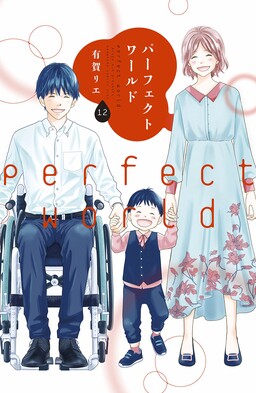
Yu's review of Perfect World — Tsugumi Kawana reconnects with her high school crush Itsuki Ayukawa, now an architect who uses a wheelchair after a spinal cord injury; the manga follows their relationship with honest attention to the practical, emotional, and social dimensions of disability in a romantic relationship.

Romance / Drama
Fruits Basket
Yu's review of Fruits Basket — a girl who has lost everything moves in with a family cursed to transform into animals of the Chinese zodiac, and slowly melts the ice that generations of abuse built around their hearts.
Romance
Higehiro: After Being Rejected, I Shaved and Took In a High School Runaway
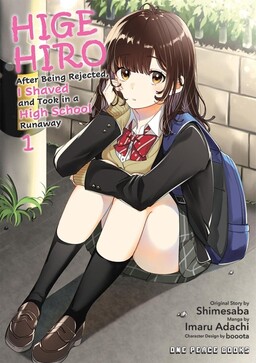
Yu's review of Higehiro — Yoshida is rejected by his coworker and, drunk, finds Sayu, a high school runaway on the street; he takes her home and gives her a place to stay; the manga adaptation of Shimesaba's light novel about what actually happens when an adult takes responsibility for a runaway teenager.
Romance / Drama
Short Program
Short Program collects Mitsuru Adachi's short story manga — brief, precise studies of the moment when two people almost connect, or do connect, or miss each other by a margin that changes everything.
Romance / Slice of Life
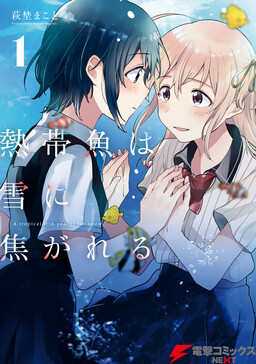
A Tropical Fish Yearns for Snow
Yu's review of A Tropical Fish Yearns for Snow — Konatsu Amano moves to a new town after her father is transferred abroad; she joins her new school's aquarium club, which has only one other member: Koyuki Honami, a capable and quietly withdrawn girl who runs it alone; their friendship becomes something more specific as they teach each other about themselves.
Written by
Yu
Manga Enthusiast from Japan
I grew up in Japan and manga literally saved me during a tough time in elementary school. My English isn't perfect, but my love for manga is real — and I want to share it with you.
Disclosure: This post contains affiliate links. As an Amazon Associate, I earn from qualifying purchases at no extra cost to you.