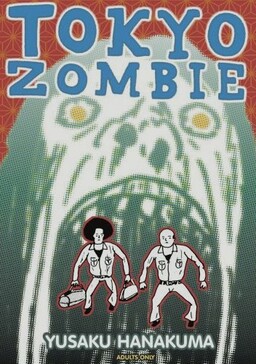
Tokyo Zombie Review: Two Judo Friends Fight Zombies and Then Capitalism Takes Over
by Yusaku Hanakuma
Read the first volume. If it doesn't hook you, put it down. It'll hook you.
Buy Tokyo Zombie on Amazon →*Affiliate link — I earn a small commission at no extra cost to you.
Quick Take
- The zombie manga where the zombie apocalypse is less interesting than what happens after — once the rich survive long enough to build walls, the zombie crisis becomes a mechanism for restoring pre-existing class hierarchies
- Hanakuma's art is deliberately crude and the comedy is black; the horror is real but the social critique is the point
- One volume complete; unusual in the horror space; closer to underground comics sensibility than mainstream manga horror
Who Is This Manga For?
- Readers who want zombie horror with genuine social critique rather than pure survival action
- Anyone who enjoys black comedy where the humor and the horror are equally real
- Fans of horror manga from the underground/alternative manga tradition
- Readers who want short, complete horror that takes an unusual angle on familiar genre conventions
Content Warnings & Age Rating
Age Rating: M (Mature) Content Warnings: Zombie violence depicted graphically; black comedy means the violence is often also darkly funny; social satire that includes class violence
The M rating is accurate.
Yu's Rating
| Category | Score |
|---|---|
| Story Depth | ★★★★☆ |
| Art Style | ★★★☆☆ |
| Character Development | ★★★★☆ |
| Accessibility for Non-Japanese Readers | ★★★★☆ |
| Reread Value | ★★★★☆ |
Story Overview
Fujio and Mitsuo work in a factory near Dark Fuji — a mountain of Tokyo's accumulated trash that has been growing for as long as anyone can remember. When the zombie apocalypse begins, they respond with the tools available: judo, friendship, and a willingness to engage directly with the situation.
The first half is zombie survival with black comedy. Fujio and Mitsuo fight zombies, encounter other survivors, and discover that the apocalypse has the same social dynamics as the world before it. The second half is where Hanakuma's actual interest becomes clear: when the rich establish a fortified enclave and use zombie fighters (surviving lower-class men forced to fight in zombie combat) as entertainment and labor, the zombie apocalypse has simply reproduced capitalism's existing structure with less pretense.
Characters
Fujio and Mitsuo — Their friendship is the work's emotional anchor — two working-class men whose bond is genuine and whose response to horror is practical rather than dramatic. The specific fate of their friendship in the second half is the work's most emotional content.
Art Style
Hanakuma's art is intentionally crude — it comes from underground manga tradition rather than mainstream manga craft. The rough linework suits the black comedy register and distinguishes Tokyo Zombie visually from horror manga that aims for polished craft. The art is an aesthetic choice, not a limitation.
Cultural Context
Tokyo Zombie belongs to the Japanese underground manga (garo/ax) tradition — a lineage of deliberately anti-mainstream comics that uses crude art and transgressive content for satirical purposes. The social critique — zombie apocalypse as occasion for capitalism to reproduce itself — is more direct than mainstream manga would permit.
What I Love About It
The moment when the walled enclave's zombie combat entertainment is established — when the survival horror plot reveals itself as a class dynamics story with zombies as the mechanism — is the work's most effective structural choice. Hanakuma earns the critique by establishing the characters before deploying them in it.
What English-Speaking Fans Say
Western readers describe Tokyo Zombie as one of the more unusual horror manga available in English — the underground art tradition and the social satire give it a different flavor than genre zombie fiction. The short length (one volume) is consistently noted as the right choice for material this concentrated.
Memorable Scene ⚠️ Spoiler Warning
The zombie combat arena sequence — who the fighters are, who watches, and what Fujio is willing to do in this environment — is the work's most complete statement of what the zombie apocalypse represents as a social event.
Similar Manga
- Litchi Hikari Club — Underground horror manga with transgressive intent
- I Am a Hero — Serious zombie manga, different register
- Biomega — Post-apocalyptic horror with social critique
- Dorohedoro — Underground-adjacent horror with black comedy
Reading Order / Where to Start
Volume 1 (only volume) — complete in a single volume.
Official English Translation Status
Last Gasp published the English edition. Complete; available.
Pros & Cons
Pros
- The social critique is sharper than most zombie fiction
- Fujio and Mitsuo's friendship is genuinely affecting
- The underground art tradition gives it a distinctive visual identity
- One volume is the perfect length
Cons
- The crude art style is a barrier for readers expecting polished manga craft
- The black comedy register requires taste for dark humor alongside horror
- Less purely scary than horror readers seeking fear rather than critique
Format Comparison
| Format | Notes |
|---|---|
| Single Volume | Last Gasp; complete |
| Digital | Limited |
Where to Buy
Read the first volume. If it doesn't hook you, put it down. It'll hook you.
This post contains affiliate links. If you purchase through these links, I may earn a small commission at no extra cost to you. As an Amazon Associate, I earn from qualifying purchases.
*Affiliate link — I earn a small commission at no extra cost to you.
Reading Guides
More Manga You Might Like
Horror / Comedy
Voynich Hotel
Yu's review of Voynich Hotel — Taizou Kuzuki, a man with a shady past, arrives at a remote island hotel staffed by witch maids and surrounded by assassins, ghosts, and other supernatural complications; Douman Seiman's dark comedy-horror is compact, strange, and genuinely funny in ways that shouldn't work.
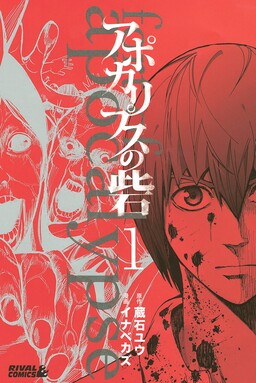
Horror / Survival
Fort of Apocalypse
Yu's review of Fort of Apocalypse — Yoshiaki Maeda is wrongfully sent to a juvenile detention facility; on his first night, the zombie apocalypse begins; the facility becomes a survival fortress as the inmates — criminals, violent offenders, and Maeda among them — realize the prison walls are the only thing keeping the dead out.
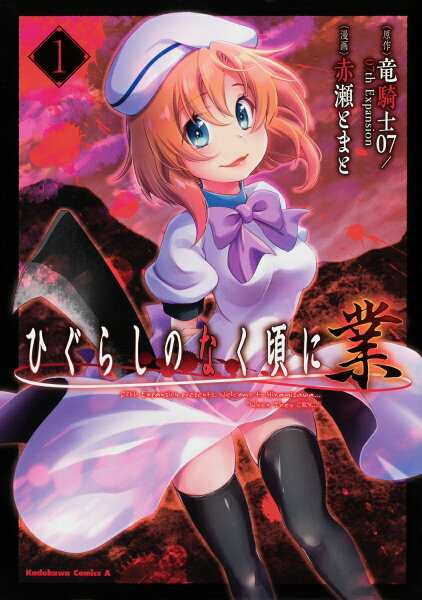
Horror / Mystery
Higurashi When They Cry
Yu's review of Higurashi When They Cry — Keiichi Maebara moves to the rural village of Hinamizawa and discovers that every year, during the village festival, someone dies and someone disappears; the story resets across multiple arcs, each showing different versions of the same events as Keiichi and his friends try to understand and survive what the village is doing to them.

Horror
School-Live!
Yu's review of School-Live! — Yuki Takeya is a cheerful high school girl who loves her school and her friends in the School Living Club; the reality of their situation becomes clear in the first chapter and changes everything about how the series reads from that point forward; zombie horror structured as moe with psychological horror as its primary instrument.
Horror
Ode to Kirihito
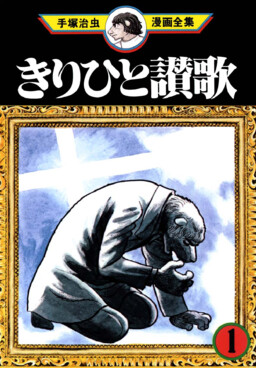
Yu's review of Ode to Kirihito — Dr. Osanai Kirihito investigates Monmow disease, a mysterious illness that transforms its victims into dog-like creatures; the medical establishment suppresses his findings; Osamu Tezuka's 1970 medical horror manga about a doctor reduced to subhuman status while searching for a scientific truth powerful people want hidden.
Horror / Literary
No Longer Human
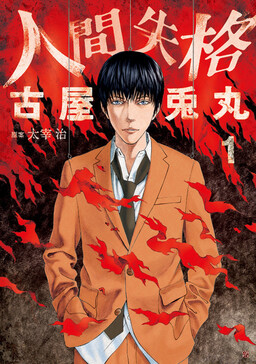
Yu's review of No Longer Human manga adaptation — Usamaru Furuya adapts Osamu Dazai's 1948 autobiographical novel into a contemporary setting; the protagonist Yozo Oba is a young man who cannot believe himself to be a human being in the same sense as the people around him; the manga follows his descent through addiction, relationships, and the inability to exist in the world.
Written by
Yu
Manga Enthusiast from Japan
I grew up in Japan and manga literally saved me during a tough time in elementary school. My English isn't perfect, but my love for manga is real — and I want to share it with you.
Disclosure: This post contains affiliate links. As an Amazon Associate, I earn from qualifying purchases at no extra cost to you.