
Tokyo Ghoul:re Review: A Former Ghoul Investigator Now Works for the Other Side
by Sui Ishida
Read the first volume. If it doesn't hook you, put it down. It'll hook you.
Buy Tokyo Ghoul:re on Amazon →*Affiliate link — I earn a small commission at no extra cost to you.
Quick Take
- Haise's fractured identity — the original Kaneki suppressed beneath a CCG investigator — is the series' most interesting element
- The war-scale conflicts in the later volumes are visually overwhelming in the best sense
- 16 volumes complete; requires reading Tokyo Ghoul first
Who Is This Manga For?
- Readers who completed Tokyo Ghoul and want the continuation
- Fans of dark action horror with identity and transformation themes
- Anyone who wants to see Ishida's storytelling at larger scale
- Readers who want complete long-form dark manga
Content Warnings & Age Rating
Age Rating: M (Mature) Content Warnings: Graphic violence and body horror; character death at significant scale; psychological content around identity suppression; mature content throughout
M rating — adult readers recommended.
Yu's Rating
| Category | Score |
|---|---|
| Story Depth | ★★★★☆ |
| Art Style | ★★★★★ |
| Character Development | ★★★★☆ |
| Accessibility for Non-Japanese Readers | ★★★★☆ |
| Reread Value | ★★★★☆ |
Story Overview
Two years after the events of Tokyo Ghoul, the CCG has established the Quinx Squad — half-ghoul investigators who use kagune surgically installed rather than naturally grown. Haise Sasaki leads this squad. He is cheerful, dedicated, and has no memory of anything before waking up two years ago.
Haise is Ken Kaneki. His identity has been suppressed. The Kaneki he was — the one who survived everything Tokyo Ghoul put him through — exists inside Haise but cannot surface.
As the CCG's war with ghoul organizations escalates toward total conflict, the suppressed identity cannot stay suppressed.
Characters
Haise Sasaki / Ken Kaneki — The identity fracture — the question of which version of this person is real, or whether both are — drives the series' psychological interest.
The Quinx Squad — Investigators with ghoul abilities who don't fully understand what they are; their relationship with Haise mirrors the earlier Tokyo Ghoul dynamic with new complications.
Touka Kirishima — Her continuation from Tokyo Ghoul into :re has significant weight for returning readers.
Art Style
Ishida's art evolves significantly across Tokyo Ghoul:re — the battle sequences become more elaborately constructed, and his use of visual metaphor and symbolic imagery reaches greater density.
Cultural Context
Tokyo Ghoul:re ran directly after Tokyo Ghoul in Weekly Young Jump. Ishida designed the series as a continuation that could be read independently — Haise's lack of memory mirrors the reader's potential lack of prior context — though full appreciation requires the original.
What I Love About It
The Haise period. The early volumes — before the identity fully resurfaces — work as a specific kind of tragedy. Watching Haise be genuinely happy while knowing who he is creates dramatic irony that the series sustains longer than expected.
What English-Speaking Fans Say
Western readers describe Tokyo Ghoul:re as a satisfying if uneven continuation — specifically noted for the Haise identity-suppression premise being the series' strongest element, for the art being the most technically accomplished of Ishida's work, and for the ending being divisive among fans of the original.
Memorable Scene ⚠️ Spoiler Warning
The first moment Kaneki surfaces through Haise — when the suppressed identity's response to a specific trigger breaks through — is the series' most anticipated and effectively executed beat.
Similar Manga
- Tokyo Ghoul — The original series (read first)
- Chainsaw Man — Dark action horror in comparable register
- Bungou Stray Dogs — Organization-vs-organization action in lighter tone
- Attack on Titan — War-scale dark action with identity themes
Reading Order / Where to Start
Read Tokyo Ghoul (14 volumes) first, then Tokyo Ghoul:re Vol. 1.
Official English Translation Status
Viz Media published the complete 16-volume English series.
Pros & Cons
Pros
- Haise identity premise genuinely compelling
- Art at its most technically accomplished
- War-scale conflicts visually impressive
- Complete at 16 volumes
Cons
- Requires Tokyo Ghoul first
- Middle volumes pacing uneven
- Ending divisive
Format Comparison
| Format | Notes |
|---|---|
| Individual Volumes | Viz Media; complete 16 volumes |
| Digital | Available |
Where to Buy
Read the first volume. If it doesn't hook you, put it down. It'll hook you.
This post contains affiliate links. If you purchase through these links, I may earn a small commission at no extra cost to you. As an Amazon Associate, I earn from qualifying purchases.
*Affiliate link — I earn a small commission at no extra cost to you.
Reading Guides
More Manga You Might Like
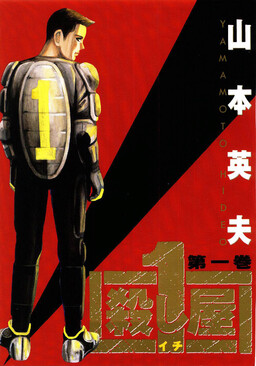
Horror / Action
Ichi the Killer
Yu's review of Ichi the Killer — Kakihara, a masochistic Yakuza enforcer, searches for his missing boss while a mysterious figure named Ichi — a young man who weeps while killing with extraordinary violence — is being used by a manipulator named Jijii to eliminate criminals; the series examines violence, pain, pleasure, and complicity with unflinching and disturbing directness.
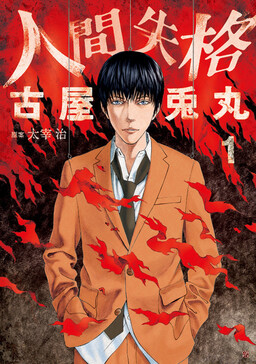
Horror / Literary
No Longer Human
Yu's review of No Longer Human manga adaptation — Usamaru Furuya adapts Osamu Dazai's 1948 autobiographical novel into a contemporary setting; the protagonist Yozo Oba is a young man who cannot believe himself to be a human being in the same sense as the people around him; the manga follows his descent through addiction, relationships, and the inability to exist in the world.

Horror / Historical
Innocent
Yu's review of Innocent — Charles-Henri Sanson is the son of France's royal executioner, raised with privilege and the assumption that he will inherit his father's role; his sensitive nature and artistic gifts make him unfit for execution, yet circumstances force him to become one of France's most famous executioners, operating during the period leading to the French Revolution.

Dark Fantasy / Horror
Tokyo Ghoul
Yu's review of Tokyo Ghoul — 14 volumes about a boy who becomes something between human and monster, and must decide what that makes him. Dark, brutal, and heartbreakingly human at its core.
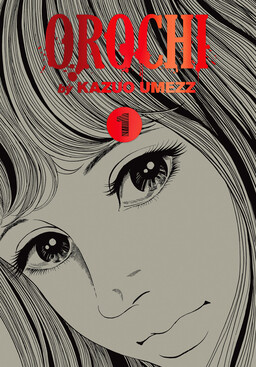
Horror
Orochi: Blood
Yu's review of Orochi — a beautiful immortal girl named Orochi drifts through human lives, observing and sometimes participating in the horror that emerges when human desires and jealousies reach extremes; Kazuo Umezu's anthology horror with a supernatural narrator defined by beauty and detachment.
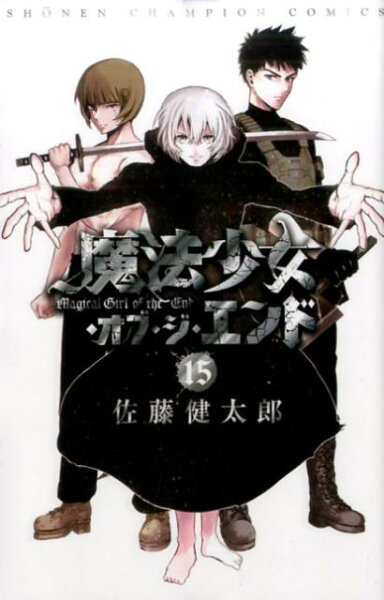
Horror / Action
Magical Girl Apocalypse
Yu's review of Magical Girl Apocalypse — ordinary high schooler Kii Kogami watches a magical girl appear at school and kill everyone; the magical girls appear in large numbers and begin a massacre; this is an extremely violent horror manga that uses the magical girl aesthetic as the vehicle for a zombie-apocalypse-style survival story with time travel complications.
Written by
Yu
Manga Enthusiast from Japan
I grew up in Japan and manga literally saved me during a tough time in elementary school. My English isn't perfect, but my love for manga is real — and I want to share it with you.
Disclosure: This post contains affiliate links. As an Amazon Associate, I earn from qualifying purchases at no extra cost to you.