Strange House Review: The Architecture Mystery That Became Japan's Bestselling Thriller
by Takumi Yai
Read the first volume. If it doesn't hook you, put it down. It'll hook you.
Buy Strange House on Amazon →*Affiliate link — I earn a small commission at no extra cost to you.
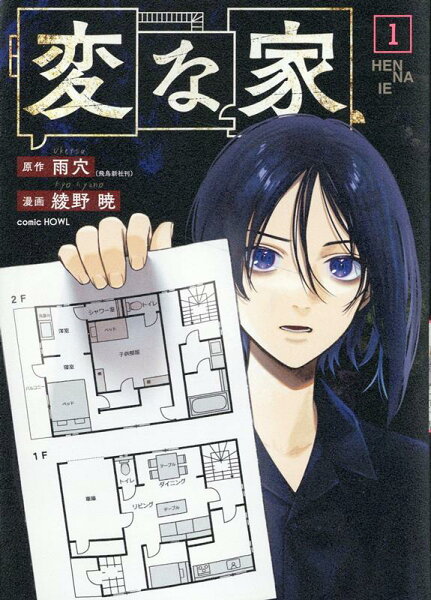
A house is for sale. The price is reasonable. The floor plan is not. One room has no entrance — there is no door, no window, no way to enter it. The room is there on the blueprint. The room cannot be accessed.
I'm Yu. I read Strange House in one sitting. I could not stop.
Quick Take
- Takumi Yai's Strange House (変な家) ran on Manga Plus — collected in 2 volumes.
- VIZ Media published the complete 2-volume English edition.
- Rated T (Teen) — architectural horror with occult and family violence themes; genuinely unsettling.
Story Overview
The narrator is looking at a house listing — affordable, good location. He sends the floor plan to his friend Madori-kun, an architectural expert, as a joke: does anything look weird to you?
Madori-kun looks. And then he starts asking questions.
The floor plan does not make sense. There are rooms that serve no clear purpose. Windows facing other interior rooms. A gap between walls too wide to be structural but too narrow to be useful. A small space adjacent to a child's bedroom that is sealed off but must be accessed somehow.
Each feature has an explanation. And each explanation, as Madori-kun traces the logic, adds up to something the family who lived there did in that house — something that required specific spatial solutions for concealment.
The story is architectural forensics of a crime. The house tells what happened there, to people who know how to read what houses say.
Characters
The narrator — The relatable entry point: curious rather than paranoid, drawn deeper than he intended. His growing unease is the reader's own.
Madori-kun — The architectural expert whose professional knowledge becomes the tool of horror. His increasingly grave and systematic analysis is frightening precisely because it is rational rather than intuitive.
What I Love About It
The floor plan itself is the horror. Not a ghost, not a monster — a room that should not exist and the question of why someone built it that way.
This is a completely original idea that I had never encountered in fiction before Strange House. It works because architecture is usually invisible — we inhabit spaces without examining them — and when something forces you to look at a house's structure carefully, the examination reveals intention. And intention in a house implies the people who had that intention.
Following Madori-kun's analysis is a genuinely novel reading experience. You are doing something — examining spatial evidence — that you have never done as a reader before.
Memorable Scene ⚠️ Spoiler Warning
The moment when Madori-kun identifies the spatial feature that explains what the sealed space adjacent to the child's room was for — and what that means about when it was used — is the series' horror peak. The conclusion is reached entirely through spatial logic. It is terrifying without showing anything. Architecture as evidence of the unshowable.
Pros & Cons
Pros:
- The architectural horror concept is genuinely original — a floor plan as horror device.
- Two volumes is exactly the right length: complete story, no padding.
- Disturbing in a way that lingers.
- The viral origin means active online analysis communities around it.
Cons:
- Concept-driven rather than character-driven — limited characterization.
- The ending leans into more conventional horror territory after the floor plan work.
Is Strange House Worth Reading?
Yes — for readers who want horror from an unusual angle. Two volumes and a unique concept. If you have ever looked at a floor plan and felt uncomfortable, this manga will tell you why.
Who Is This Manga For?
- Mystery and horror readers who want a fresh conceptual hook rather than standard haunted house tropes.
- Architecture and design readers who will find the floor plan analysis uniquely engaging.
- Anyone who wants short, complete, genuinely unsettling horror.
- Readers interested in Japan's viral thriller phenomenon of the early 2020s.
Official English Translation Status
VIZ Media published both English volumes. Complete and available in print and digital.
Where to Buy
VIZ Media's complete 2-volume English edition.
Browse Strange House on Amazon →
This post contains affiliate links. If you purchase through these links, I may earn a small commission at no extra cost to you. As an Amazon Associate, I earn from qualifying purchases.
*Affiliate link — I earn a small commission at no extra cost to you.
Reading Guides
More Manga You Might Like
Horror / Thriller
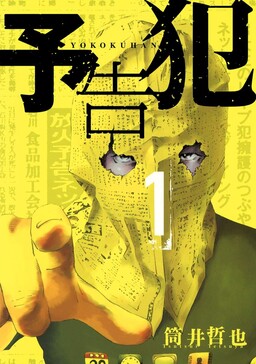
Prophecy
Yu's review of Prophecy — an anonymous online collective called the Paper Bag Crowd announces crimes before committing them, choosing targets who represent social injustice that existing law cannot address; a police investigator races to identify and stop them while the public debate about whether the collective is criminal or heroic divides opinion.
Horror / Mystery
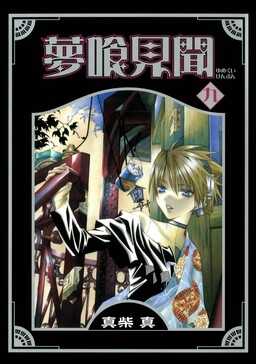
Nightmare Inspector: Yumekui Kenbun
Yu's review of Nightmare Inspector — set in 1920s Shanghai, Hiruko is a baku who eats nightmares at a tea house; each chapter is a client's dream that reveals their waking life; a gothic anthology horror manga with an elegant episodic structure.

Horror / Thriller
Judge
Yu's review of Judge — nine people who have committed sins that went unpunished are locked in a building wearing animal masks; they must vote to execute one person every twelve hours or everyone dies.

Horror / Thriller
Doubt
Yu's review of Doubt by Yoshiki Tonogai — six players of a phone werewolf game wake up locked in an abandoned hospital with barcodes tattooed on their bodies, and the killer game they used to play for fun becomes real.
Horror / Drama
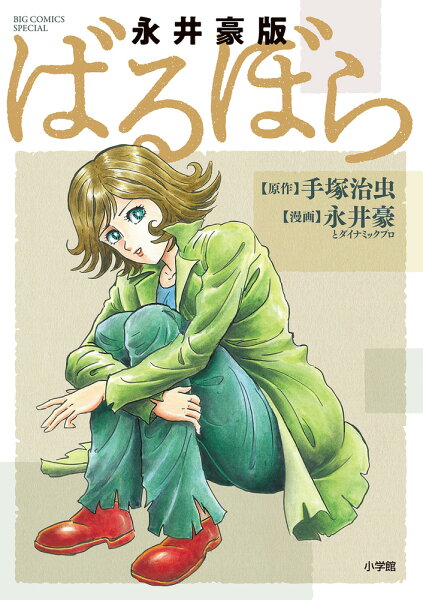
Barbara
Yu's review of Barbara — Osamu Tezuka's adult psychological horror about Yosuke Mikura, a celebrated novelist who takes in a filthy, drunken muse named Barbara and descends through black masses, perversion, and madness as he loses the ability to tell art from destruction.
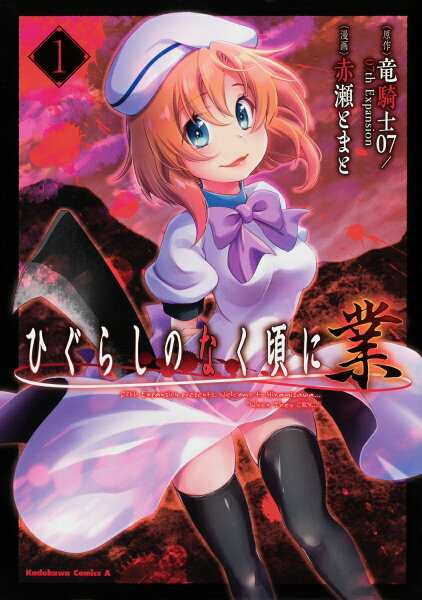
Horror / Mystery
Higurashi When They Cry
Yu's review of Higurashi When They Cry — Keiichi Maebara moves to the rural village of Hinamizawa and discovers that every year, during the village festival, someone dies and someone disappears; the story resets across multiple arcs, each showing different versions of the same events as Keiichi and his friends try to understand and survive what the village is doing to them.
Written by
Yu
Manga Enthusiast from Japan
I grew up in Japan and manga literally saved me during a tough time in elementary school. My English isn't perfect, but my love for manga is real — and I want to share it with you.
Disclosure: This post contains affiliate links. As an Amazon Associate, I earn from qualifying purchases at no extra cost to you.