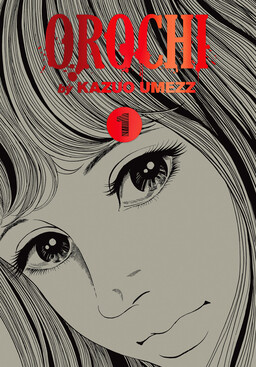
Orochi Review: A Beautiful Immortal Watches Human Lives From the Edge of Their Stories
by Kazuo Umezu
Read the first volume. If it doesn't hook you, put it down. It'll hook you.
Buy Orochi: Blood on Amazon →*Affiliate link — I earn a small commission at no extra cost to you.
Quick Take
- Kazuo Umezu's anthology horror with a different kind of supernatural narrator than Cat-Eyed Boy — Orochi is beautiful, apparently human, immortal, and driven by something resembling curiosity about human lives
- The stories Orochi observes tend toward horror rooted in human psychology — jealousy, obsession, vanity, the things people do to each other when desire goes wrong
- 2 volumes; a companion to Cat-Eyed Boy in Umezu's supernatural narrator anthology work
Who Is This Manga For?
- Readers who want horror rooted in human psychology rather than pure supernatural threat
- Anyone who has read Cat-Eyed Boy and wants to see Umezu's other anthology narrator work
- Fans of horror where the monster is sometimes a witness to human monstrousness
- Readers who want classic horror manga with a recurring female protagonist figure
Content Warnings & Age Rating
Age Rating: M (Mature) Content Warnings: Horror violence; psychological horror rooted in jealousy and obsession; death including disturbing circumstances; the horror varies across stories
The M rating is accurate.
Yu's Rating
| Category | Score |
|---|---|
| Story Depth | ★★★★☆ |
| Art Style | ★★★★★ |
| Character Development | ★★★☆☆ |
| Accessibility for Non-Japanese Readers | ★★★★☆ |
| Reread Value | ★★★★☆ |
Story Overview
Orochi drifts. She appears in different places, attaches herself to different people, observes what happens to them and around them. She is not quite human — she does not age, she survives things that should kill her, she has been present for longer than any individual life. She watches with the particular interest of someone for whom human lifespans are brief and human passions therefore simultaneously trivial and fascinating.
The stories she observes tend toward extremes of human psychology — beauty and its destruction, sisterhood and rivalry, love that becomes possession, the things people cannot stop themselves from doing. Orochi intervenes sometimes, witnesses sometimes, and cannot always distinguish which is which.
Characters
Orochi — Her quality is the horror-adjacent quality of immortality as detachment — she cares, but not quite like a human cares, and her caring does not always prevent the horror from completing itself. She is among Umezu's most complex recurring figures.
Art Style
Umezu's art handles Orochi's character design — she must be both recognizably beautiful and subtly wrong — with the precision that distinguishes horror art from illustration. The stories' domestic settings, rendered in Umezu's detailed style, make the horror's intrusion feel more violating.
Cultural Context
The stories in Orochi engage with specifically Japanese social anxieties around beauty, female rivalry, and social face — the horror often emerges from what happens when social pressures reach breaking point. Umezu's horror has always been sensitive to the specific pressures of Japanese social organization.
What I Love About It
The stories in Orochi that engage with sisterhood — rivalry between sisters, one beautiful and one not, or twins with diverging fates — are Umezu at his most psychologically precise. The horror in these stories doesn't require a supernatural agent; it emerges from what ordinary people do under ordinary pressures, with Orochi as witness.
What English-Speaking Fans Say
Western readers note that Orochi's horror register is more psychological and less viscerally shocking than Cat-Eyed Boy — the horror here is often human before it is supernatural, and the reader's discomfort comes from recognition as much as from the supernatural elements. Orochi herself is described as one of horror manga's more unusual protagonist figures.
Memorable Scene ⚠️ Spoiler Warning
The "Beauty" story arc — what a woman sacrifices for beauty, what happens when that sacrifice is tested, and Orochi's role in the outcome — is the volume's most careful psychological horror and the fullest development of Orochi's ambiguous intervention ethics.
Similar Manga
- Cat-Eyed Boy — Umezu's other anthology horror with supernatural narrator
- Scary Book — Umezu anthology work
- Tomie — Female-centered horror with immortal protagonist
- The Drifting Classroom — Umezu's longer-form horror
Reading Order / Where to Start
Volume 1 — Orochi's introduction and the first major story arcs.
Official English Translation Status
VIZ Media published both volumes. Complete and available.
Pros & Cons
Pros
- The psychological horror register is unusual in Umezu's catalog
- Orochi is a genuinely distinctive horror narrator
- The art handles both beauty and horror with equal skill
- Two volumes; well-paced anthology
Cons
- The episodic format means uneven story quality
- Less viscerally shocking than other Umezu works
- Some cultural context (Japanese beauty and social anxiety) requires familiarity
Format Comparison
| Format | Notes |
|---|---|
| Hardcover Omnibus | VIZ Signature; 2 vols |
| Digital | Available |
Where to Buy
Read the first volume. If it doesn't hook you, put it down. It'll hook you.
This post contains affiliate links. If you purchase through these links, I may earn a small commission at no extra cost to you. As an Amazon Associate, I earn from qualifying purchases.
*Affiliate link — I earn a small commission at no extra cost to you.
Reading Guides
More Manga You Might Like
Horror
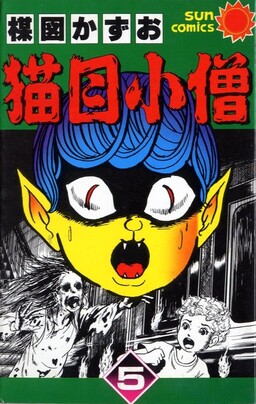
Cat-Eyed Boy
Yu's review of Cat-Eyed Boy — Kazuo Umezu's anthology horror about a half-human, half-nekomata outcast who lives in the attics of strangers and watches the supernatural and human cruelty that finds them. Disturbing, dream-logic horror with one of manga's strangest narrators.
Horror / Sci-Fi
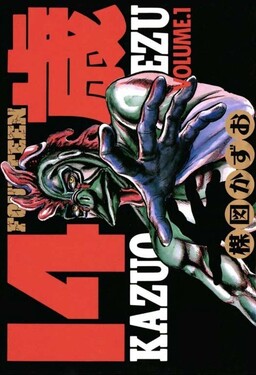
Fourteen
Yu's review of Fourteen — a mutant chicken embryo is born with a human face in a polluted food facility and grows into Chicken George, a being who has experienced human horror and decided to respond to environmental and social catastrophe; Umezu's most ambitious and strange work.
Horror
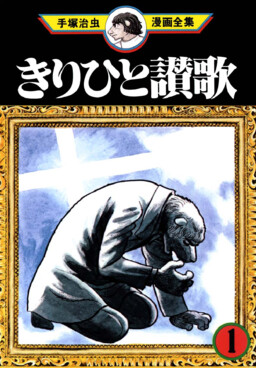
Ode to Kirihito
Yu's review of Ode to Kirihito — Dr. Osanai Kirihito investigates Monmow disease, a mysterious illness that transforms its victims into dog-like creatures; the medical establishment suppresses his findings; Osamu Tezuka's 1970 medical horror manga about a doctor reduced to subhuman status while searching for a scientific truth powerful people want hidden.
Horror / Literary
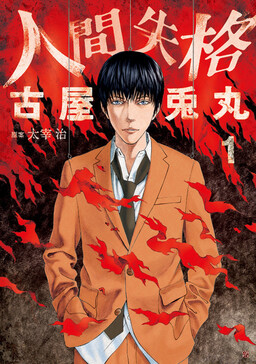
No Longer Human
Yu's review of No Longer Human manga adaptation — Usamaru Furuya adapts Osamu Dazai's 1948 autobiographical novel into a contemporary setting; the protagonist Yozo Oba is a young man who cannot believe himself to be a human being in the same sense as the people around him; the manga follows his descent through addiction, relationships, and the inability to exist in the world.

Horror
MW
Yu's review of MW — Yuki Michio is a beautiful, charming, amoral man who survived exposure to a chemical weapon as a child; the event destroyed his conscience; he works toward mass destruction while maintaining the appearance of a successful society member; a priest who loves him tries to hold him back; Osamu Tezuka's 1976 thriller about a man without conscience.

Horror / Historical
Innocent
Yu's review of Innocent — Charles-Henri Sanson is the son of France's royal executioner, raised with privilege and the assumption that he will inherit his father's role; his sensitive nature and artistic gifts make him unfit for execution, yet circumstances force him to become one of France's most famous executioners, operating during the period leading to the French Revolution.
Written by
Yu
Manga Enthusiast from Japan
I grew up in Japan and manga literally saved me during a tough time in elementary school. My English isn't perfect, but my love for manga is real — and I want to share it with you.
Disclosure: This post contains affiliate links. As an Amazon Associate, I earn from qualifying purchases at no extra cost to you.