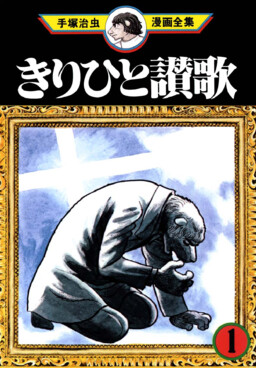
Ode to Kirihito Review: A Doctor Investigates a Disease That Turns Humans Into Beasts
by Osamu Tezuka
Read the first volume. If it doesn't hook you, put it down. It'll hook you.
Buy Ode to Kirihito on Amazon →*Affiliate link — I earn a small commission at no extra cost to you.
Quick Take
- Tezuka's most unflinching work — Kirihito's transformation and degradation is sustained without relief
- The medical/scientific corruption plot is as relevant now as when it was drawn in 1970
- Single omnibus volume; essential Tezuka for readers who know only Astro Boy
Who Is This Manga For?
- Readers who know Tezuka only from his children's work and want to see his full range
- Anyone interested in classic manga that addresses power, medicine, and dehumanization
- Fans of body horror with intellectual content
- Readers looking for serious mature manga from the foundational period of the medium
Content Warnings & Age Rating
Age Rating: M (Mature) Content Warnings: Body transformation horror; medical experimentation; significant violence; sexual violence (historical content); dehumanization; mature content throughout
M rating — adult readers; serious content throughout.
Yu's Rating
| Category | Score |
|---|---|
| Story Depth | ★★★★★ |
| Art Style | ★★★★★ |
| Character Development | ★★★★★ |
| Accessibility for Non-Japanese Readers | ★★★★☆ |
| Reread Value | ★★★★★ |
Story Overview
Dr. Kirihito Osanai travels to a rural mountain village to investigate Monmow disease — a mysterious illness specific to the area that physically transforms its victims, distorting their faces and bodies into something animal rather than human.
He contracts the disease himself. His transformation begins. Rather than returning to the medical establishment, he is swept through circumstances that take him further from his scientific identity — through violence, imprisonment, exploitation — until the question of who he is becomes separate from the question of what he looks like.
In Tokyo, the medical establishment has reasons to suppress his research. The corruption runs high.
Characters
Kirihito Osanai — What the series does to him — and what he retains through it — is the story's emotional argument; his maintenance of identity despite physical transformation is the work's central subject.
Dr. Tatsugaura — His suppression of Kirihito's research represents institutional corruption at its most recognizable; his motivations are entirely human.
Art Style
Tezuka's art in Ode to Kirihito is at the height of his abilities — the body transformation sequences have genuine horror without sensationalism, and his character expressiveness serves a story that needs faces to communicate what words cannot.
Cultural Context
Ode to Kirihito was drawn 1970–1971. Tezuka trained as a physician and brought genuine medical knowledge to the story. The rural disease cluster premise engages with real Japanese epidemiology concerns of the era. The work is one of Tezuka's most serious achievements.
What I Love About It
Kirihito's refusal. Despite everything that happens to him — transformation, violence, exploitation — he never stops being a doctor looking for a scientific answer. His identity persists through circumstances designed to destroy it.
What English-Speaking Fans Say
Western readers describe Ode to Kirihito as the Tezuka work that changes their understanding of what manga is capable of — specifically noted for the seriousness being sustained without relief, for the body horror being purposeful rather than gratuitous, and for the medical corruption plot being as relevant now as in 1970.
Memorable Scene ⚠️ Spoiler Warning
The first time someone treats Kirihito with dignity after his transformation — when a stranger responds to who he is rather than what he looks like — is the story's most affecting beat.
Similar Manga
- MW — Tezuka's other major adult thriller
- Black Jack — Tezuka's medical manga in different tone
- Homunculus — Body transformation with psychological depth in contemporary format
- Biomega — Body horror in science fiction context
Reading Order / Where to Start
Single omnibus volume.
Official English Translation Status
Vertical published the English omnibus edition.
Pros & Cons
Pros
- One of manga's most important serious works
- Body horror with genuine intellectual content
- Tezuka's art at full range
- Complete in single omnibus
Cons
- M-rated with serious mature content
- Historical content includes difficult material
- Demands engaged reading
Format Comparison
| Format | Notes |
|---|---|
| Omnibus | Vertical; complete single volume |
Where to Buy
Read the first volume. If it doesn't hook you, put it down. It'll hook you.
This post contains affiliate links. If you purchase through these links, I may earn a small commission at no extra cost to you. As an Amazon Associate, I earn from qualifying purchases.
*Affiliate link — I earn a small commission at no extra cost to you.
Reading Guides
More Manga You Might Like

Horror
MW
Yu's review of MW — Yuki Michio is a beautiful, charming, amoral man who survived exposure to a chemical weapon as a child; the event destroyed his conscience; he works toward mass destruction while maintaining the appearance of a successful society member; a priest who loves him tries to hold him back; Osamu Tezuka's 1976 thriller about a man without conscience.
Horror / Drama
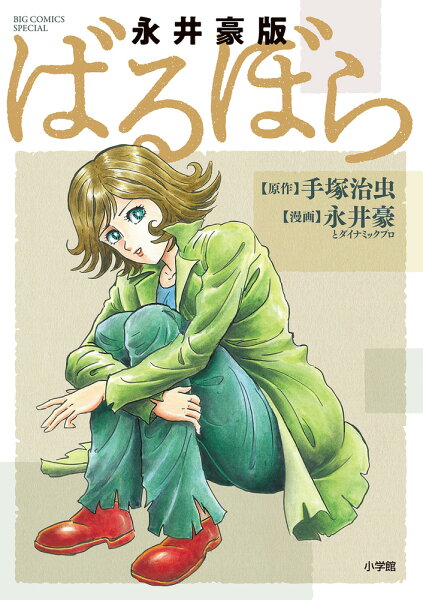
Barbara
Yu's review of Barbara — Osamu Tezuka's adult psychological horror about Yosuke Mikura, a celebrated novelist who takes in a filthy, drunken muse named Barbara and descends through black masses, perversion, and madness as he loses the ability to tell art from destruction.
Horror / Thriller
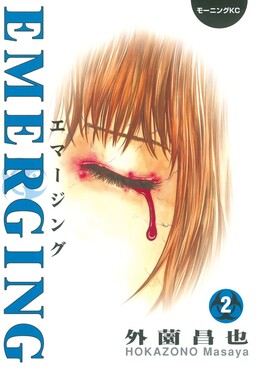
Emerging
Yu's review of Emerging by Masaya Hokazono — a man collapses spraying blood at a Shinjuku crosswalk, and an unknown hemorrhagic fever called 'Japanese hemorrhagic fever' spreads while doctors and a government that would rather hide the truth scramble to respond. Medical pandemic horror serialized in 2004, years before COVID.
Horror / Psychological
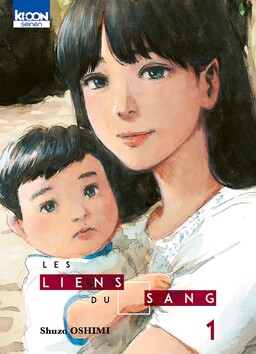
Blood on the Tracks
Yu's review of Blood on the Tracks (Chi no Wadachi) by Shuzo Oshimi — Seiichi Osabe is an ordinary middle schooler whose devoted mother Seiko pushes his cousin off a cliff during a mountain hike, and the boy becomes the only witness. A 17-volume slow-burn study of maternal possessiveness as horror.
Horror / Drama
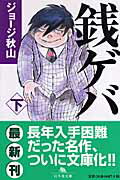
Zeni Geba
Zeni Geba is George Akiyama's seminal 1970s manga about Futaro Gamagori, a boy whose poverty-driven obsession with money turns into a complete moral collapse — a brutal social critique that asked what desperation does to a person.
Horror
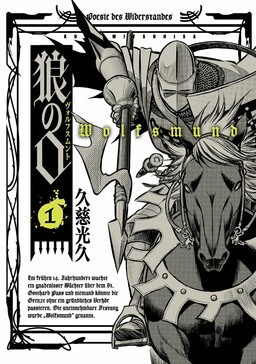
Wolfsmund
Yu's review of Wolfsmund — in 14th century Switzerland, the mountain pass called Wolfsmund (Wolf's Maw) is controlled by the bailiff Wolfram; every episode follows those who attempt to cross the pass, and Wolfram's inhuman ability to detect deception and his willingness to use any method to stop them.
Written by
Yu
Manga Enthusiast from Japan
I grew up in Japan and manga literally saved me during a tough time in elementary school. My English isn't perfect, but my love for manga is real — and I want to share it with you.
Disclosure: This post contains affiliate links. As an Amazon Associate, I earn from qualifying purchases at no extra cost to you.