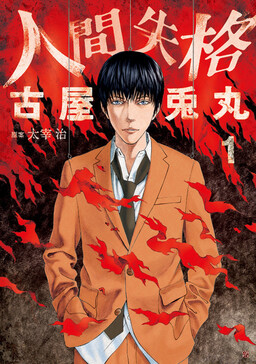
No Longer Human Review: Osamu Dazai's Most Famous Novel Becomes a Manga That Understands What Made It Hurt
by Usamaru Furuya (Manga) / Osamu Dazai (Original Novel)
Read the first volume. If it doesn't hook you, put it down. It'll hook you.
Buy No Longer Human on Amazon →*Affiliate link — I earn a small commission at no extra cost to you.
Quick Take
- The manga adaptation that earns its source material — Furuya moves Dazai's 1948 novel into the contemporary era and captures what makes the original unshakeable rather than its historical setting
- Yozo Oba's specific form of alienation — performing humanity for others while experiencing himself as fundamentally other than human — is rendered visually in ways the prose original cannot access
- 3 volumes complete; one of the most serious literary manga adaptations available in English
Who Is This Manga For?
- Readers who want literary manga with genuine thematic weight
- Anyone who has read Dazai's original novel and wants to see what a serious adaptation does with it
- Fans of psychological horror rooted in character interiority rather than external threat
- Readers who want complete, short manga — 3 volumes is the right length for this material
Content Warnings & Age Rating
Age Rating: M (Mature) Content Warnings: Addiction depicted in detail; suicide themes throughout including attempts; severe depression; substance abuse; existential despair as the manga's sustained atmosphere
These are serious content warnings. The manga is not graphic in the horror-violence sense; it is graphic in the self-destruction sense.
Yu's Rating
| Category | Score |
|---|---|
| Story Depth | ★★★★★ |
| Art Style | ★★★★★ |
| Character Development | ★★★★★ |
| Accessibility for Non-Japanese Readers | ★★★★★ |
| Reread Value | ★★★★☆ |
Story Overview
Yozo Oba does not understand other people. More precisely: he understands them, performs their expectations, makes them laugh and feel comfortable — and experiences all of this as a performance he cannot stop because he cannot access the naturalness everyone else seems to carry. He does not know how to be human in the way humans seem to be human.
Furuya updates the setting from postwar Japan to the contemporary era but preserves Dazai's core: the diaries of a man who descended through relationships, alcohol, drugs, and despair into a state he cannot name and cannot escape. The women who love him, the men who exploit him, the substances he uses to manage the distance between his performance of living and his experience of it.
The manga's three volumes trace this arc from Yozo's childhood performance of happiness through his adult dissolution.
Characters
Yozo Oba — Furuya's visual approach to Yozo is the adaptation's defining choice: in ordinary scenes, he is depicted as handsome, charming, and pleasant; in moments of interior experience, his face shifts into something that registers as fundamentally different from the faces around him. The gap between these registers is the series' visual argument.
The women — The novel's women are rendered by Furuya with more interiority than the original's first-person narrator can access, which is a genuine improvement on the source material.
Art Style
Furuya's art is precise and deliberate — his linework is controlled enough to make the distortions meaningful when they appear. The contemporary setting he constructs is visually specific; the choice to keep certain elements from 1940s Japan while updating others creates a time-suspended atmosphere appropriate to the material.
Cultural Context
No Longer Human is one of the most-read novels in Japan — it has been in print continuously since 1948 and consistently tops lists of most-read Japanese novels. Dazai's specific form of alienation resonates in Japanese culture in ways that transfer to readers globally. Furuya's adaptation is the most artistically serious manga version of the novel available.
What I Love About It
The panels that show Yozo's performance of normalcy alongside what he is experiencing underneath it — the split between surface and interior that is the novel's central subject — are what manga can do that prose cannot. Furuya uses the medium to show both simultaneously rather than describing the gap between them.
What English-Speaking Fans Say
Western readers describe this adaptation as one of the few manga that made them want to read the original literary source — and one of fewer that then made them feel the manga understood the original better than a simple adaptation. It is consistently cited as the most serious literary manga published in English.
Memorable Scene ⚠️ Spoiler Warning
The final pages — Yozo's assessment of himself as a man who was "a good child" — land differently in the manga than in the novel because Furuya shows us his face as he says it. The visual rendering of what these words mean in context is the adaptation's most complete moment.
Similar Manga
- Flowers of Evil — Alienation and performance, different structure
- Oyasumi Punpun — Psychological despair rendered visually
- Homunculus — Identity and selfhood examined through distortion
- I Want to Eat Your Pancreas — Literary manga with emotional precision, different register
Reading Order / Where to Start
Volume 1 — Yozo's notebooks begin.
Official English Translation Status
VIZ Media published all 3 volumes. Complete and available.
Pros & Cons
Pros
- The most artistically serious manga adaptation of a canonical literary text
- The visual medium adds something the original prose cannot do
- Complete in 3 volumes — the right length
- Rating 5 without reservation
Cons
- The content warnings are serious and not decorative
- Readers unfamiliar with Dazai may want to read the novel first or after
- The sustained atmosphere of despair is demanding
Format Comparison
| Format | Notes |
|---|---|
| Individual Volumes | VIZ Media; complete |
| Digital | Available |
Where to Buy
Read the first volume. If it doesn't hook you, put it down. It'll hook you.
This post contains affiliate links. If you purchase through these links, I may earn a small commission at no extra cost to you. As an Amazon Associate, I earn from qualifying purchases.
*Affiliate link — I earn a small commission at no extra cost to you.
Reading Guides
More Manga You Might Like
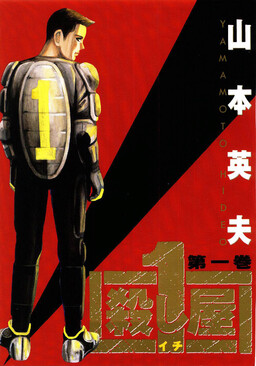
Horror / Action
Ichi the Killer
Yu's review of Ichi the Killer — Kakihara, a masochistic Yakuza enforcer, searches for his missing boss while a mysterious figure named Ichi — a young man who weeps while killing with extraordinary violence — is being used by a manipulator named Jijii to eliminate criminals; the series examines violence, pain, pleasure, and complicity with unflinching and disturbing directness.
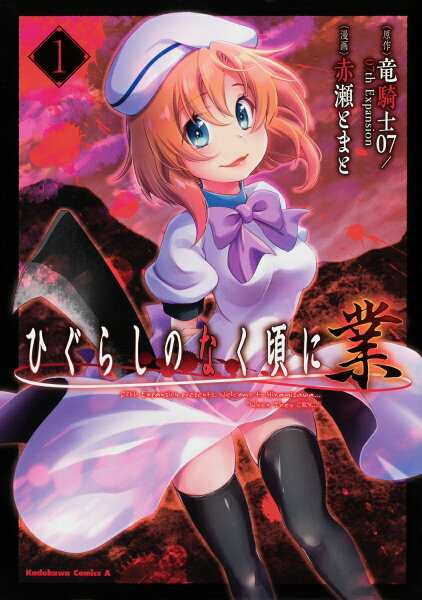
Horror / Mystery
Higurashi When They Cry
Yu's review of Higurashi When They Cry — Keiichi Maebara moves to the rural village of Hinamizawa and discovers that every year, during the village festival, someone dies and someone disappears; the story resets across multiple arcs, each showing different versions of the same events as Keiichi and his friends try to understand and survive what the village is doing to them.
Horror
MW
Yu's review of MW — Yuki Michio is a beautiful, charming, amoral man who survived exposure to a chemical weapon as a child; the event destroyed his conscience; he works toward mass destruction while maintaining the appearance of a successful society member; a priest who loves him tries to hold him back; Osamu Tezuka's 1976 thriller about a man without conscience.
Horror / Psychological Thriller
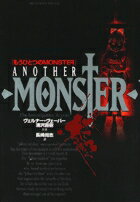
Monster
Yu's review of Monster — a brilliant surgeon saves a boy's life over a hospital director's, ruins his career, and ten years later discovers the boy he saved has become a serial killer who is now hunting him.
Horror / Historical
Innocent
Yu's review of Innocent — Charles-Henri Sanson is the son of France's royal executioner, raised with privilege and the assumption that he will inherit his father's role; his sensitive nature and artistic gifts make him unfit for execution, yet circumstances force him to become one of France's most famous executioners, operating during the period leading to the French Revolution.
Horror / Slice of Life
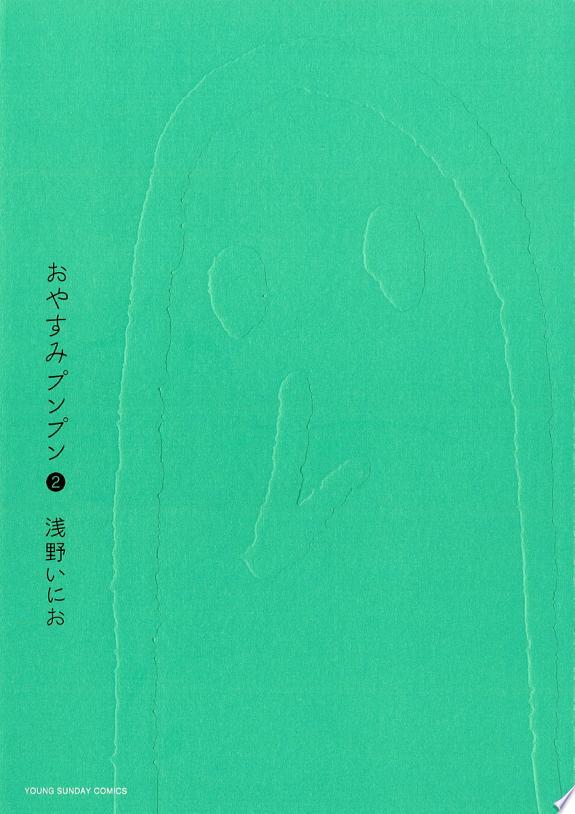
Goodnight Punpun
Yu's review of Goodnight Punpun — the manga where Punpun is drawn as a small bird in a world of realistic humans, following him from childhood to adulthood as trauma accumulates and the world refuses to be better than it is.
Written by
Yu
Manga Enthusiast from Japan
I grew up in Japan and manga literally saved me during a tough time in elementary school. My English isn't perfect, but my love for manga is real — and I want to share it with you.
Disclosure: This post contains affiliate links. As an Amazon Associate, I earn from qualifying purchases at no extra cost to you.