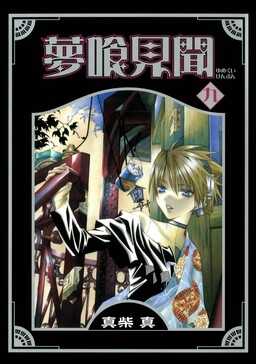
Nightmare Inspector Review: A Dream Detective Who Eats Your Worst Fears
by Shin Mashiba
Read the first volume. If it doesn't hook you, put it down. It'll hook you.
Buy Nightmare Inspector: Yumekui Kenbun on Amazon →*Affiliate link — I earn a small commission at no extra cost to you.
Quick Take
- An elegant horror anthology structured around a dream-eating creature who solves clients' nightmare problems — each chapter is a self-contained story, but recurring characters and a larger mystery accumulate
- The 1920s Shanghai setting gives the horror a distinctive aesthetic — gaslight gothic with art deco details — that separates it from contemporary horror manga
- 8 volumes complete; a complete gothic horror anthology with a satisfying overarching narrative
Who Is This Manga For?
- Readers who prefer short-form horror stories over sustained narrative — episodic structure with accumulating lore
- Anyone who wants horror manga with a historical setting and consistent aesthetic tone
- Fans of dream logic and nightmare imagery as horror tools
- Readers who want complete horror manga with a manageable length
Content Warnings & Age Rating
Age Rating: T+ (Older Teen) Content Warnings: Nightmare imagery and psychological horror throughout; some deaths; dark themes around loss, guilt, and trauma; nothing graphically violent
The T+ rating is appropriate. The horror here is atmospheric and psychological rather than graphic.
Yu's Rating
| Category | Score |
|---|---|
| Story Depth | ★★★★☆ |
| Art Style | ★★★★★ |
| Character Development | ★★★☆☆ |
| Accessibility for Non-Japanese Readers | ★★★★☆ |
| Reread Value | ★★★☆☆ |
Story Overview
In 1920s Shanghai, the Silver Star Tea House is a place where people with recurring nightmares come seeking help. Hiruko — beautiful, cold, inhuman — is a baku, a creature from Japanese folklore who feeds on nightmares. He will enter your dream and devour it. The price is negotiated per visit.
Each chapter brings a new client: a man who dreams of drowning, a woman who sees her dead husband, a child who cannot wake from a sleeping world. Hiruko enters the dream, navigates its logic, and takes what he came for. What he takes is not always what the client expected.
The manga accumulates over eight volumes into something larger — Hiruko's own nature and history, the tea house's other regulars, and the mystery of what a baku is and what it wants — but the episodic structure means each volume is satisfying on its own.
Characters
Hiruko — The baku protagonist, whose coldness and hunger are balanced by moments of something that might be care. His backstory is one of the series' accumulated mysteries.
Mizuki — The human girl who serves as assistant at the tea house, whose ordinary warmth against Hiruko's inhumanity creates the series' emotional contrast.
Art Style
Shin Mashiba's art is the series' strongest element. The 1920s Shanghai aesthetic — gas lamps, art deco architecture, period clothing — is rendered with attention to detail. The nightmare sequences use surrealist visual logic effectively: the dreams look wrong in ways that are visually interesting rather than merely distorted.
Character designs are elegant and distinctive. Hiruko's design — beautiful, slightly wrong — communicates his inhuman nature visually.
Cultural Context
The baku is a creature from Japanese folklore traditionally depicted as a tapir-like beast that eats nightmares. Mashiba's redesign as a beautiful young man is deliberate — it creates a tension between the character's visual appeal and his predatory nature.
The Shanghai setting reflects the cosmopolitan, slightly decadent atmosphere of 1920s China — a world of competing cultures and colonial presence — which adds texture to the horror.
What I Love About It
The dream logic of each chapter is handled with care. Nightmares in this series are not random — they are distortions of the dreamer's waking life, and the horror reveals character. The best chapters make you understand the client before you understand the nightmare, so when the resolution comes, it lands on both levels simultaneously.
What English-Speaking Fans Say
Western readers describe Nightmare Inspector as an overlooked gem in VIZ's catalog — shorter and less action-oriented than their major titles, but precisely crafted. The gothic aesthetic consistently attracts readers who came looking for something visually different.
Memorable Scene ⚠️ Spoiler Warning
The chapter that reveals the origin of Hiruko's nature and the cost of what he does — which reframes the entire series' logic — is the moment where the anthology becomes something more. It arrives in the later volumes and makes the episodic structure feel purposeful in retrospect.
Similar Manga
- Mushishi — Episodic supernatural cases, similar meditative structure
- Pet Shop of Horrors — Gothic anthology with recurring host character
- Junji Ito Collection — Horror anthology, more visceral
- xxxHolic — Supernatural problem-solver with clients, different tone
Reading Order / Where to Start
Volume 1 — The series establishes its format immediately and each volume is self-contained enough to start anywhere, though beginning at the start builds context for later revelations.
Official English Translation Status
VIZ Media published all 8 volumes. Complete and available.
Pros & Cons
Pros
- Distinctive 1920s Shanghai aesthetic separates it from contemporary horror
- Episodic structure makes it easy to read in any amount at a time
- Art quality is consistently high
- Dream logic is handled with real craft
Cons
- Character development is slower than plot development
- The episodic structure means emotional investment builds gradually
- Shorter series with less content than major horror titles
Format Comparison
| Format | Notes |
|---|---|
| Individual Volumes | VIZ Media; complete |
| Digital | Available |
Where to Buy
Read the first volume. If it doesn't hook you, put it down. It'll hook you.
This post contains affiliate links. If you purchase through these links, I may earn a small commission at no extra cost to you. As an Amazon Associate, I earn from qualifying purchases.
*Affiliate link — I earn a small commission at no extra cost to you.
Reading Guides
More Manga You Might Like
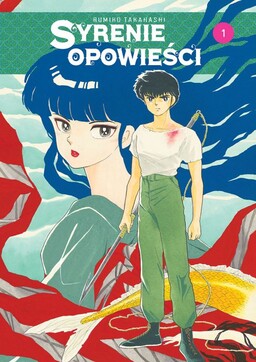
Horror / Action
Mermaid Saga
Yu's review of Mermaid Saga — Yuta ate mermaid flesh 500 years ago and became immortal; now he searches for a way to die; each arc is a horror story about what immortality actually looks like when the people around you keep dying and the mermaid flesh keeps producing monsters; Rumiko Takahashi's horror masterwork.
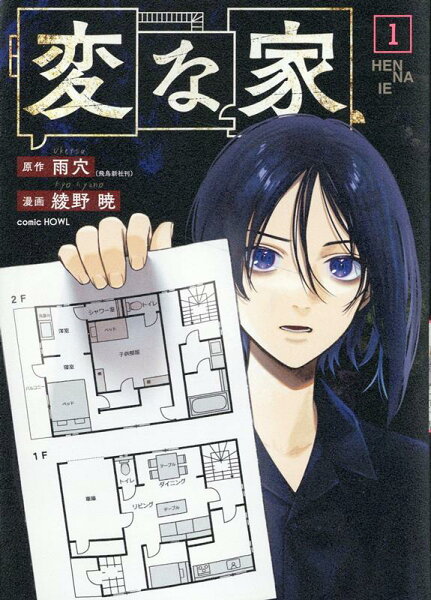
Horror / Mystery
Strange House
A review of Takumi Yai's Strange House — 2 volumes from Manga Plus. A man asks an architectural friend to explain why a house's floor plan makes no sense; the answer is much darker than any real estate concern. Adapted from Yai's viral web novel. VIZ Media's English edition is complete.
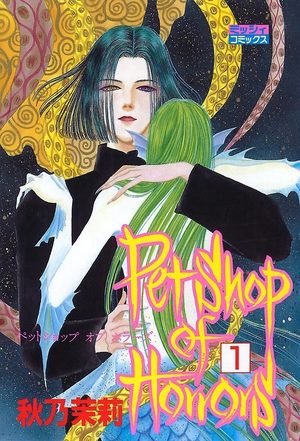
Horror / Mystery
Pet Shop of Horrors
Yu's review of Pet Shop of Horrors — Count D runs a mysterious pet shop in Los Angeles's Chinatown that sells exotic animals; each purchase comes with a contract containing three conditions, and Detective Leon Orcot investigates the deaths that follow customers who break those conditions.
Horror / Drama
Lament of the Lamb
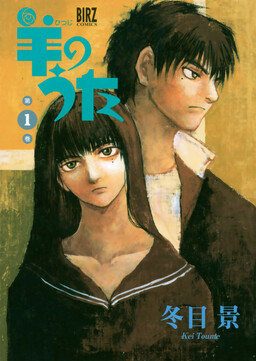
Yu's review of Lament of the Lamb — Kazuna Takashiro discovers he has inherited his family's vampiric curse: an overwhelming thirst for blood; when he finds his estranged sister Chizuna, who has been living with the curse alone, the series becomes a gothic study of two people trying not to become what they are.
Horror / Mystery
Godchild
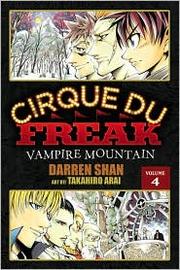
Yu's review of Godchild — Cain Hargreaves, the young Earl of Hargreaves, possesses knowledge of poisons and an aristocratic curse that draws murder and tragedy to him; set in Victorian England, he and his devoted manservant Riff investigate dark cases while the shadow of his sinister father looms over everything.
Horror / Mystery
Higurashi When They Cry
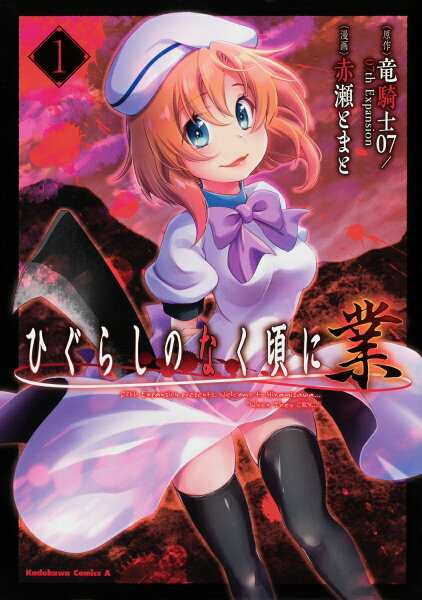
Yu's review of Higurashi When They Cry — Keiichi Maebara moves to the rural village of Hinamizawa and discovers that every year, during the village festival, someone dies and someone disappears; the story resets across multiple arcs, each showing different versions of the same events as Keiichi and his friends try to understand and survive what the village is doing to them.
Written by
Yu
Manga Enthusiast from Japan
I grew up in Japan and manga literally saved me during a tough time in elementary school. My English isn't perfect, but my love for manga is real — and I want to share it with you.
Disclosure: This post contains affiliate links. As an Amazon Associate, I earn from qualifying purchases at no extra cost to you.