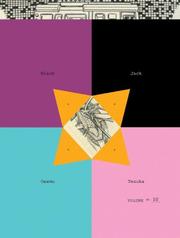
Litchi Hikari Club Review
by Usamaru Furuya
Read the first volume. If it doesn't hook you, put it down. It'll hook you.
Buy Litchi Hikari Club on Amazon →*Affiliate link — I earn a small commission at no extra cost to you.
Quick Take
- Extreme horror manga not for the faint of heart — graphic violence and disturbing content
- Nine boys build a robot to capture girls, then things spiral into Lord of the Flies territory
- Avant-garde and technically accomplished, but deeply disturbing
Who Is This Manga For?
- Adults who can engage with extreme, transgressive horror as an artistic statement
- Readers of Ito, Shintaro Kago, and other extreme Japanese horror mangaka
- Horror scholars interested in manga that pushes past genre limits
- Readers who can separate artistic merit from disturbing content
Content Warnings & Age Rating
Age Rating: 18+ Content Warnings: extreme violence, sexual content, torture, child characters in disturbing situations
Please read the content warnings before diving in.
Yu's Rating
| Category | Score |
|---|---|
| Story Depth | ★★★☆☆ |
| Art Style | ★★★☆☆ |
| Character Development | ★★★☆☆ |
| Accessibility for Non-Japanese Readers | ★★★☆☆ |
| Reread Value | ★★★☆☆ |
Story Overview
In a decaying city, nine middle school boys form the Hikari Club — a secret society dedicated to building a biomechanical robot powered by a lychee tree. Their goal: to capture a beautiful girl and keep her for themselves. But as their project succeeds, the club's internal dynamics collapse into violence, betrayal, and madness. The story is an allegory about adolescent male power dynamics, fascism's appeal, and the violence hidden beneath seemingly idealistic group projects.
Characters
The nine club members are deliberately archetype-heavy — the charismatic leader, the scientist, the beautiful boy, the violent enforcer. This makes them work as an allegorical ensemble rather than realistic characters. The captured girl Kanon becomes the center around which the boys' various pathologies revolve.
Art Style
Furuya's art is beautiful in a decadent, almost Art Nouveau way — his linework is elegant, creating disturbing contrast with the extreme violence depicted. The robot designs are genuinely creative, combining biological and mechanical elements. The visual sophistication makes the content more, not less, disturbing.
Cultural Context
Litchi Hikari Club originated as a stage play adaptation of 'Nazi Hikari Club' by an underground theater troupe. The theatrical origins give it a deliberately artificial, allegorical quality. It draws on Japanese postwar anxieties about group dynamics, fascism, and the corruption of idealistic youth.
What I Love About It
I will say clearly: this manga contains content that many readers, myself included, find genuinely disturbing rather than enjoyably scary. The artistic merit is real — Furuya is technically masterful and the allegory is coherent. But I recommend it with strong caveats. Know what you're getting into before you read it.
What English-Speaking Fans Say
Litchi Hikari Club is discussed seriously as extreme horror art by those who appreciate it, while being rejected outright by readers who find its content unjustifiable regardless of artistic merit. It has a small but devoted international following in extreme horror circles. The age rating should be taken seriously.
Memorable Scene ⚠️ Spoiler Warning
Spoiler Warning: The collapse of the club's internal hierarchy as its members turn on each other mirrors the collapse of all utopian projects built on violence — the allegory is clear even when the imagery is at its most extreme.
Similar Manga
- Homunculus — Dark, psychologically extreme but less violent
- Ichi the Killer — Another extreme horror manga for adult readers
- Shigurui — Historical extreme violence with artistic intent
Reading Order / Where to Start
Standalone. Approach only if you are an adult reader who understands what you're reading.
Official English Translation Status
Status: Complete Publisher: Vertical Volumes Available in English: 1 of 1
Pros & Cons
Pros:
- Technically accomplished art
- Coherent allegorical structure
- Unique in horror manga
- Short and complete
Cons:
- Extreme content may be unjustifiable for many readers
- Not for sensitive readers under any circumstances
- Age rating (18+) must be respected
Format Comparison
| Format | Link | Notes |
|---|---|---|
| Paperback | Amazon | Vertical edition — single volume |
Where to Buy
Read the first volume. If it doesn't hook you, put it down. It'll hook you.
This post contains affiliate links. If you purchase through these links, I may earn a small commission at no extra cost to you. As an Amazon Associate, I earn from qualifying purchases.
*Affiliate link — I earn a small commission at no extra cost to you.
Reading Guides
More Manga You Might Like
Horror / Thriller
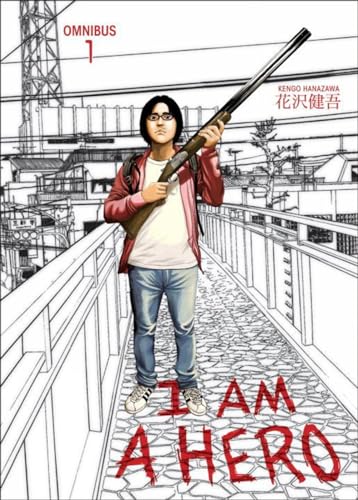
I Am a Hero
Yu's review of I Am a Hero — an unsuccessful manga artist becomes, entirely against his nature, a survivor of the Japanese zombie apocalypse.
Horror / Thriller
Starving Anonymous
Yu's review of Starving Anonymous — passengers on a bus wake up in a facility where they discover the horrifying truth about what they're being used for.
Horror / Drama
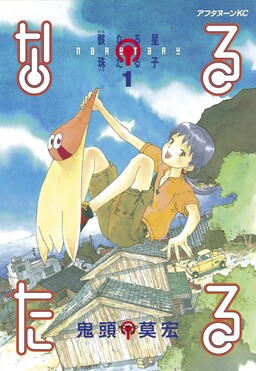
Narutaru
Yu's review of Narutaru — Shiina Tamai finds a star-shaped creature she names Hoshimaru; the story appears to begin as a creature-companion adventure and becomes something much darker, examining what happens when children with real grievances are given real power.
Horror / Crime
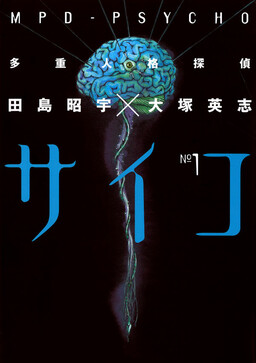
MPD Psycho
Yu's review of MPD Psycho — criminal investigator Yōsuke Kobayashi has multiple personalities, one of whom is a serial killer; the cases he investigates involve crimes that connect to a conspiracy wider than any individual murder; dark crime horror with extreme content and a writer (Eiji Otsuka) who is interested in psychology and conspiracy in equal measure.
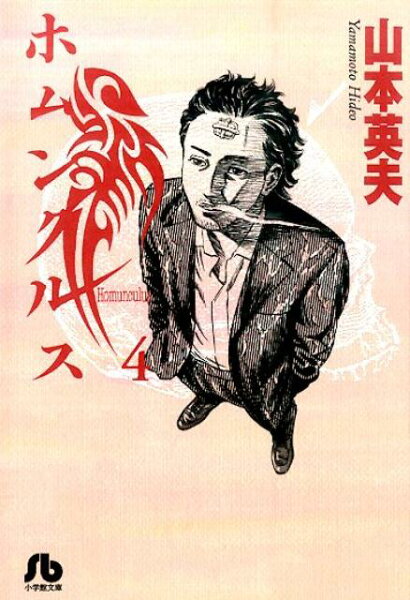
Horror / Psychological
Homunculus
A comprehensive review of Homunculus — plot, characters, art style, and whether it's worth reading.
Horror / Action
Hellsing
A comprehensive review of Hellsing — plot, characters, art style, and whether it's worth reading.
Written by
Yu
Manga Enthusiast from Japan
I grew up in Japan and manga literally saved me during a tough time in elementary school. My English isn't perfect, but my love for manga is real — and I want to share it with you.
Disclosure: This post contains affiliate links. As an Amazon Associate, I earn from qualifying purchases at no extra cost to you.