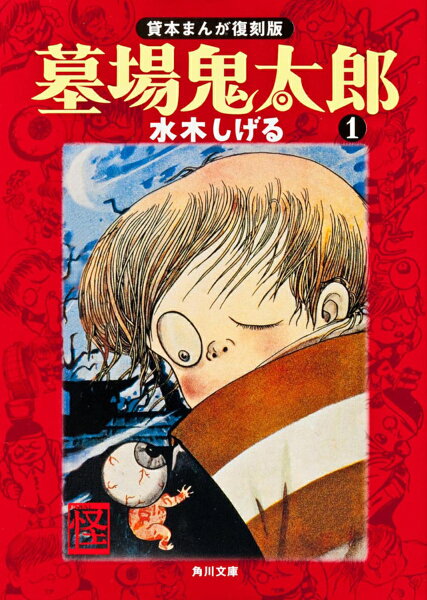
Kitaro of the Graveyard Review: The Dark Original Kitaro Before He Became a Hero
by Shigeru Mizuki
Read the first volume. If it doesn't hook you, put it down. It'll hook you.
Buy Kitaro of the Graveyard on Amazon →*Affiliate link — I earn a small commission at no extra cost to you.
Quick Take
- The original, darker Kitaro before the family-friendly version — this Kitaro is genuinely frightening
- Mizuki's kashihon (rental manga) work shows his roots in postwar darkness rather than children's entertainment
- Essential context for understanding GeGeGe no Kitaro and Mizuki's full artistic vision
Who Is This Manga For?
- Readers who want to understand Shigeru Mizuki's full range
- Those interested in the origins of Japan's most iconic yokai manga
- Horror fans who want the uncompromising version of the character
- Anyone curious about postwar Japanese rental manga culture and its darkness
Content Warnings & Age Rating
Age Rating: M (Mature) Content Warnings: Genuine horror (death, decay, supernatural threat), dark themes, wartime references, morally ambiguous protagonist behavior
This is not the family-friendly Kitaro. This is the original rental manga version — darker, stranger, more explicitly horrifying.
Yu's Rating
| Category | Score |
|---|---|
| Story Depth | ★★★★★ |
| Art Style | ★★★★★ |
| Character Development | ★★★★☆ |
| Accessibility for Non-Japanese Readers | ★★★★☆ |
| Reread Value | ★★★★★ |
Story Overview
Before Kitaro was a hero who protected humans from yokai, he was simply a being who rose from a grave — born of a dead mother, inheriting a dead father's ghostly presence.
This original version of Kitaro does not necessarily protect anyone. He exists on his own terms, moving through a postwar Japan full of poverty, violence, and the supernatural. He encounters human greed and cruelty and yokai danger and responds according to his own code — which is not always kind.
The stories are darker than the GeGeGe no Kitaro version in every way. The humor is blacker. The horror is more explicit. The humans are often more monstrous than the supernatural beings.
Characters
This Kitaro is the same being as the family-friendly version, but different. His father still exists as an eyeball, his supernatural abilities are the same, but his relationship to humans is colder and more suspicious.
The humans he encounters are often the villains of their own stories — greedy, cruel, self-serving. Kitaro's interventions do not always save them.
Mizuki's ambivalence about postwar Japanese society is visible here in a way that was softened for children's publication.
Art Style
This is among Mizuki's finest work — the detail is extraordinary and the horror imagery is drawn with full commitment. The decay, the supernatural wrongness, the particular texture of Mizuki's backgrounds are all present at full intensity.
The contrast between his detailed, research-based yokai imagery and his simpler human characters is even more pronounced here. The humans seem almost cartoonishly unreal compared to the richly rendered supernatural.
Cultural Context
These stories were created for the kashihon market — rental manga shops that circulated work too dark or adult for mainstream publication. This was a significant part of postwar Japanese publishing, producing work that existed outside the editorial constraints of magazine publication.
Mizuki worked in this market for years before his mainstream success, and the darkness he was able to explore there shaped his full vision. Kitaro of the Graveyard shows what he wanted to say before the requirements of children's media modified it.
The postwar setting — Japan in poverty and confusion, American occupation, social structures in flux — pervades these stories. The yokai are partly metaphors for what was left behind, unburied, by the war and its aftermath.
What I Love About It
I came to Kitaro of the Graveyard after loving GeGeGe no Kitaro, and it changed how I understood the children's version.
The darker Kitaro makes the family-friendly version more interesting — you understand what Mizuki was softening and why. The original was drawn from genuine darkness: Mizuki's own wartime experience, his time in poverty in postwar Japan, his sense that the dead were not resting easy.
The artistry is at its peak in these early works. There are panels in Kitaro of the Graveyard that I find genuinely frightening in the way that the best horror should be — not because of shock but because the imagery captures something true about the strangeness of existence.
What English-Speaking Fans Say
Western readers who come to this after GeGeGe no Kitaro find it essential context. The darker register is striking but not alienating — if you can appreciate horror manga, this is among the best.
The Drawn & Quarterly editions are consistently praised for their beautiful production and extensive notes.
Memorable Scene ⚠️ Spoiler Warning
There is a story about a man whose greed leads him into a supernatural trap of his own making. Kitaro watches rather than intervenes. His commentary on the situation — brief, cold, accurate — is the series' thesis statement about who deserves saving and who is simply getting what they sought.
Similar Manga
- GeGeGe no Kitaro — the family-friendly version; read both to understand Mizuki fully
- Shigeru Mizuki's other work — NonNonBa, Onward Towards Our Noble Deaths, Showa: A History of Japan
- Junji Ito — different generation but similar commitment to yokai and folk horror
- Panorama of Hell — extreme horror manga for those who want the darkest version
Reading Order / Where to Start
Read GeGeGe no Kitaro first for context; then Kitaro of the Graveyard to understand the origins. Or read this first for the darker version and then see what was gentled.
Official English Translation Status
Drawn & Quarterly published 2 volumes in English. Complete as released.
Pros & Cons
Pros
- Mizuki at his most artistically powerful
- Essential context for understanding the full Kitaro mythology
- Genuinely frightening in the way excellent horror should be
- Beautiful Drawn & Quarterly production
Cons
- M rating; darker and more explicit than GeGeGe no Kitaro
- Only 2 volumes in English
- Requires some context about postwar Japan for full appreciation
Format Comparison
| Format | Notes |
|---|---|
| Physical | Drawn & Quarterly hardcovers; recommended |
| Digital | Limited availability |
| Omnibus | The D&Q volumes serve as curated collections |
Where to Buy
Read the first volume. If it doesn't hook you, put it down. It'll hook you.
*Affiliate link — I earn a small commission at no extra cost to you.
Reading Guides
More Manga You Might Like
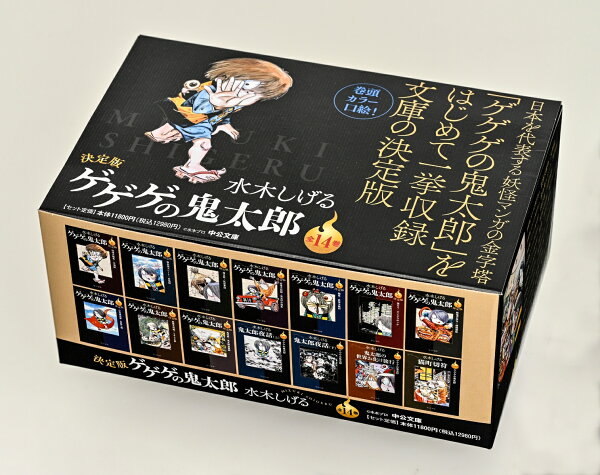
Horror / Fantasy
GeGeGe no Kitaro
A review of GeGeGe no Kitaro, Shigeru Mizuki's foundational yokai manga that defined how modern Japan thinks about supernatural creatures.
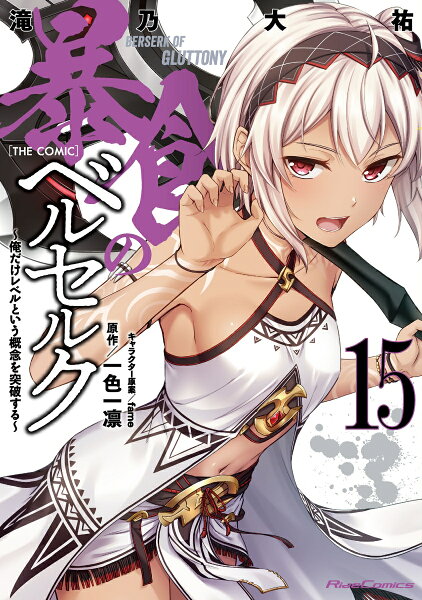
Dark Fantasy / Horror
Berserk
Yu's review of Berserk — the story of Guts, a mercenary born from a hanged corpse, who fights demons and corrupted gods with a sword the size of a door in a world where the divine is real and malevolent. The most influential dark fantasy manga ever made.
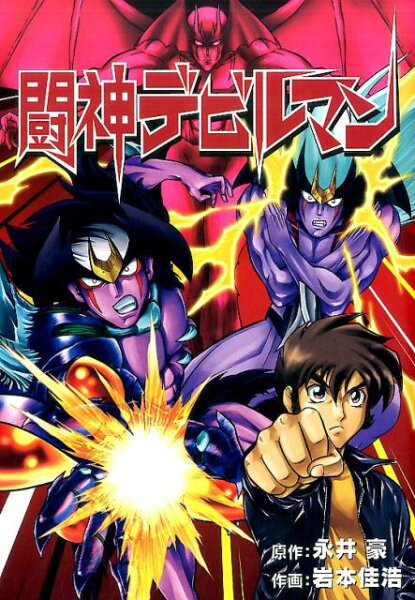
Horror / Dark Fantasy
Devilman
Yu's review of Devilman — a gentle boy merges with the demon Amon, becomes Devilman to protect the people he loves, and then watches those same people tear the world apart from the inside.
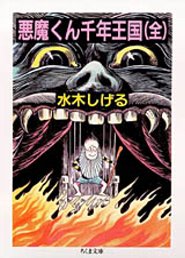
Horror / Supernatural
Akuma-kun
Yu's review of Akuma-kun — Shigeru Mizuki's early supernatural manga about a child prodigy who summons the demon Mephisto in his attempt to build a perfect world. A foundational occult work from the master of yokai manga, currently unlicensed in English.
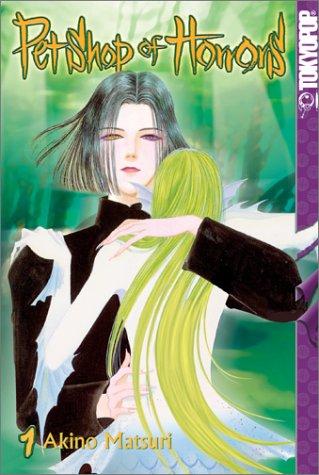
Horror / Supernatural
Petshop of Horrors
Count D sells exotic pets in Chinatown — each one perfect, each one with a contract that the buyer always breaks.
Horror
Uzumaki
Yu's review of Uzumaki by Junji Ito — a small town cursed by spirals, where the obsession spreads like a disease until the geometry itself becomes monstrous.
Written by
Yu
Manga Enthusiast from Japan
I grew up in Japan and manga literally saved me during a tough time in elementary school. My English isn't perfect, but my love for manga is real — and I want to share it with you.
Disclosure: This post contains affiliate links. As an Amazon Associate, I earn from qualifying purchases at no extra cost to you.