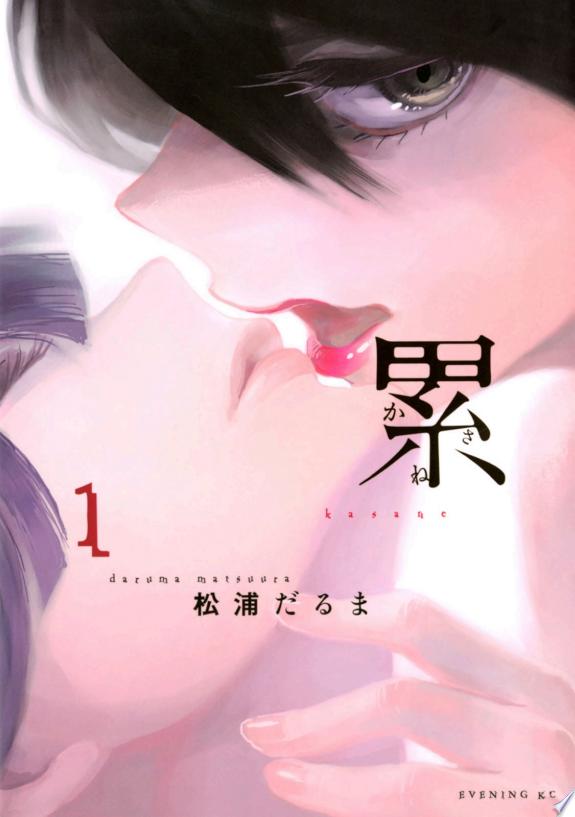
Kasane Review: The Manga About Beauty as Theft, and What Theft Costs
by Daruma Matsuura
Read the first volume. If it doesn't hook you, put it down. It'll hook you.
Buy Kasane on Amazon →*Affiliate link — I earn a small commission at no extra cost to you.
She stole faces. Each one was someone's. The manga never let her forget that.
Quick Take
- Daruma Matsuura's 14-volume Evening psychological drama — Kasane and the lipstick that swaps faces
- Among the most psychologically committed manga of the 2010s
- Combines body-horror premise with serious examination of beauty, theater, and identity
Who Is This Manga For?
- Psychological drama readers who want manga willing to sit with darkness
- Theater-fiction enthusiasts who appreciate when performance becomes ontological
- Body-horror fans who want the genre done with intelligence
- Anyone willing to engage with a series whose protagonist is morally compromised by design
Content Warnings & Age Rating
Age Rating: M (Mature) Content Warnings: Body-horror imagery, sexual content, psychological darkness, identity theft as plot mechanism.
For mature readers prepared for serious psychological discomfort.
Yu's Rating
| Category | Score |
|---|---|
| Story Depth | ★★★★★ |
| Art Style | ★★★★★ |
| Character Development | ★★★★★ |
| Accessibility for Non-Japanese Readers | ★★★★☆ |
| Reread Value | ★★★★☆ |
Story Overview
Kasane is a girl whose face society finds repulsive — strikingly so, in ways that have shaped her entire experience of being a person. Her dying mother, who was beautiful, leaves her a lipstick: applied by Kasane and pressed onto another woman's face, the lipstick swaps the two faces. Kasane gains the other woman's appearance for the duration of the lipstick's effect; the woman she has touched takes Kasane's.
Kasane uses this gift to pursue what she has been told she could never have: theatrical success, romantic possibility, the social acceptance that beauty grants its possessors. Each use of the lipstick succeeds, but each use also creates the woman whose face she has stolen as an unwilling participant in her advancement.
The series follows the increasingly complex moral situation Kasane creates. Her successes are real but built on theft. The women she has used become characters with their own claims and grievances. The work doesn't redeem Kasane; it depicts what she becomes through her choices, and the depiction is the work's moral force.
Characters
Kasane Fuchi: A protagonist whose moral situation is the series' subject — her gift creates the conditions for her degradation, and the degradation is depicted with patience.
Nina Tanzawa: The actress whose face Kasane uses extensively — her counter-arc is one of the series' most powerful elements.
The supporting cast: Each rendered with the specificity that serious psychological drama requires.
Art Style
Matsuura's art is exceptional — character designs that communicate the specific weight of beauty and its absence, body-horror imagery that achieves dread without exploitation, theatrical scenes that capture the specific energy of performance. The art is the story's vehicle as much as the words are.
Cultural Context
Kasane ran from 2013 to 2018 in Evening, Kodansha's seinen-leaning monthly. The series belongs to the broader tradition of psychologically committed seinen drama that Evening has supported, and within that tradition occupies a distinctive position through its body-horror premise applied to serious questions.
A live-action film adaptation in 2018 brought the work to broader audiences.
What I Love About It
I love that Nina becomes a character.
A simpler version of this premise would have Kasane's victims be props — necessary obstacles or rewards but not people. Matsuura insists they be people. Nina, in particular, develops an arc that runs parallel to Kasane's and that addresses the same questions from the opposite side. The decision to give Kasane's victims their own subjectivity is what elevates the work from genre exercise into serious literature.
What English-Speaking Fans Say
Limited international awareness without translation, though the film adaptation has reached some international viewers. Among manga readers who have encountered it through fan translations, regarded as one of the strongest psychological dramas of the 2010s.
Memorable Scene ⚠️ Spoiler Warning
A confrontation between Kasane and Nina where both characters' arcs intersect with full understanding of what they have done to each other — the scene captures the work's moral architecture in concentrated form.
Similar Manga
| Title | Its Approach | How Kasane Differs |
|---|---|---|
| Glass Mask | Theater drama with prodigy protagonist | Glass Mask is earnest about acting; Kasane is morally complex |
| Helter Skelter | Beauty-industry psychological horror | Same intensity around beauty as subject; Kasane has the supernatural element |
| Audition (novel/film) | Beauty-industry horror | Different medium but shared willingness to examine beauty's costs |
Reading Order / Where to Start
Volume 1. The premise and moral architecture establish across early volumes.
Official English Translation Status
Kasane has no official English translation.
Pros & Cons
Pros
- Among the most serious psychological dramas in 2010s manga
- Body-horror premise serves character study rather than spectacle
- Both protagonist and antagonist developed with full subjectivity
- Matsuura's art is exceptional throughout
Cons
- No English translation
- Body-horror imagery may discomfort some readers
- The moral darkness offers no redemption arc
- Demands serious engagement that not all readers have time for
Is Kasane Worth Reading?
For psychological-drama readers who want manga at its most committed, yes — this is among the strongest works of the 2010s. For readers wanting redemption arcs or unable to engage with the body-horror dimension, this isn't the right entry. As serious psychological seinen, it's exceptional.
Format Comparison
| Format | Notes |
|---|---|
| Physical | Japanese editions available |
| Digital | Available in Japanese |
| Omnibus | Collected editions available |
Where to Buy
No English release yet. That just means you find it before everyone else does.
*Affiliate link — I earn a small commission at no extra cost to you.
Reading Guides
More Manga You Might Like
Horror / Drama
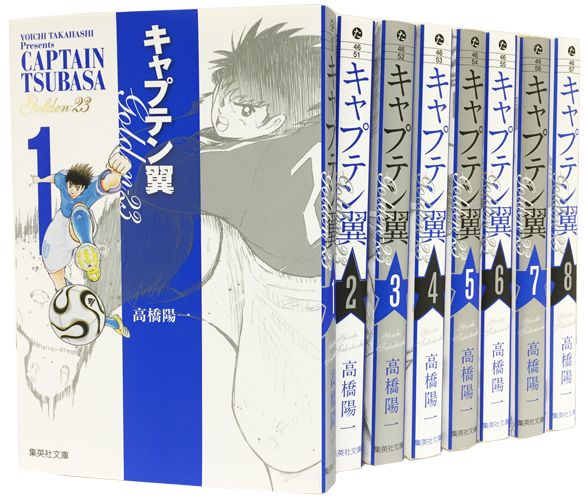
Golden Gold
Golden Gold follows Reiko, a teenage girl on a remote island who finds a small god of fortune — and discovers that luck granted by a supernatural force does not come without cost, and that the cost is paid by those around you.
Horror
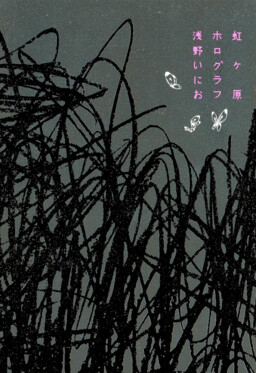
Nijigahara Holograph
Yu's review of Nijigahara Holograph — two timelines, childhood and adulthood, converge around a group of children who threw a girl into a tunnel; what lives at the bottom of the tunnel, and what the act of throwing her in did to everyone involved; Inio Asano's most formally complex and disturbing work.
Horror / Drama
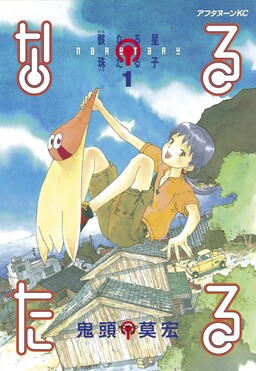
Narutaru
Yu's review of Narutaru — Shiina Tamai finds a star-shaped creature she names Hoshimaru; the story appears to begin as a creature-companion adventure and becomes something much darker, examining what happens when children with real grievances are given real power.
Horror / Drama
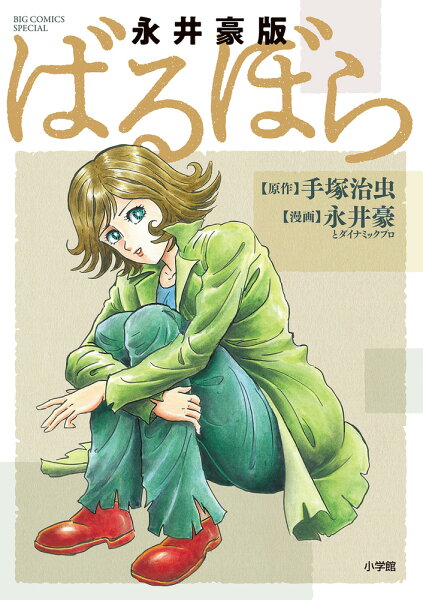
Barbara
Yu's review of Barbara — Osamu Tezuka's adult psychological horror about Yosuke Mikura, a celebrated novelist who takes in a filthy, drunken muse named Barbara and descends through black masses, perversion, and madness as he loses the ability to tell art from destruction.
Horror / Mystery
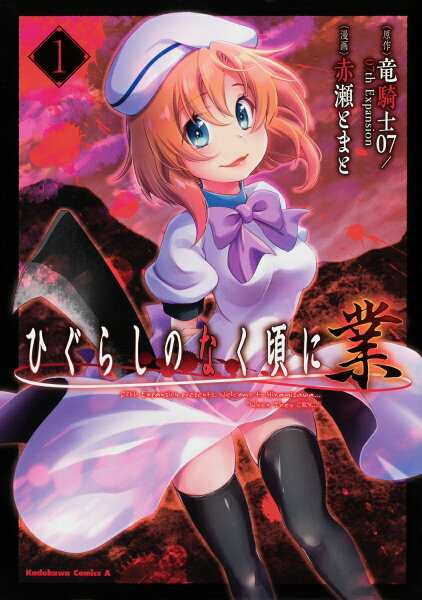
Higurashi When They Cry
Yu's review of Higurashi When They Cry — Keiichi Maebara moves to the rural village of Hinamizawa and discovers that every year, during the village festival, someone dies and someone disappears; the story resets across multiple arcs, each showing different versions of the same events as Keiichi and his friends try to understand and survive what the village is doing to them.

Horror
School-Live!
Yu's review of School-Live! — Yuki Takeya is a cheerful high school girl who loves her school and her friends in the School Living Club; the reality of their situation becomes clear in the first chapter and changes everything about how the series reads from that point forward; zombie horror structured as moe with psychological horror as its primary instrument.
Written by
Yu
Manga Enthusiast from Japan
I grew up in Japan and manga literally saved me during a tough time in elementary school. My English isn't perfect, but my love for manga is real — and I want to share it with you.