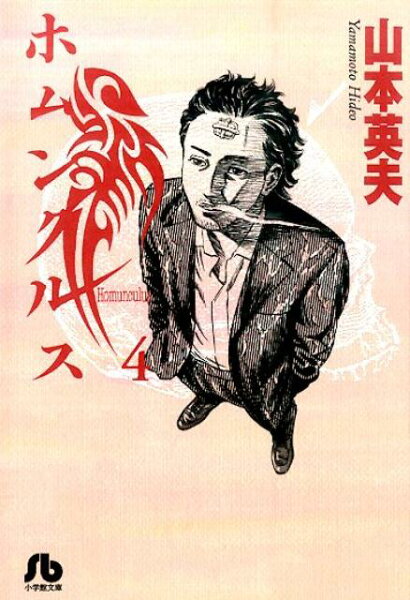
Homunculus Review
by Hideo Yamamoto
Read the first volume. If it doesn't hook you, put it down. It'll hook you.
Buy Homunculus on Amazon →*Affiliate link — I earn a small commission at no extra cost to you.
Quick Take
- A homeless man undergoes trepanation and begins seeing people's psychological traumas as physical deformities
- Deep psychological horror that asks what we would see if we could truly perceive others' inner damage
- Disturbing, brilliant, and finally heartbreaking
Who Is This Manga For?
- Readers who want psychological horror with genuine depth
- Fans of surrealist or literary horror that explores trauma through visual metaphor
- Mature readers who can engage with disturbing imagery in service of meaning
- Horror fans who want something that will make them think as well as frighten
Content Warnings & Age Rating
Age Rating: M (Mature) Content Warnings: psychological horror, disturbing imagery, sexuality, trauma
Please read the content warnings before diving in.
Yu's Rating
| Category | Score |
|---|---|
| Story Depth | ★★★★☆ |
| Art Style | ★★★★☆ |
| Character Development | ★★★★☆ |
| Accessibility for Non-Japanese Readers | ★★★☆☆ |
| Reread Value | ★★★★☆ |
Story Overview
Susumu Nakoshi is a homeless man living out of his car, existing between two worlds — literally camping between a luxury hotel and a homeless community in a Tokyo park. He agrees to participate in a trepanation experiment by a medical student: a hole drilled in his skull, with payment offered. The procedure leaves him with a disturbing ability: when he closes one eye and looks through his left, he sees people's hidden traumas externalized as physical deformities and metamorphoses — their psychological damage made visible. He begins trying to 'cure' people by confronting these visions.
Characters
Nakoshi is a fascinating protagonist — he's not exactly sympathetic at first, living in deliberate anonymity, detached from connections. His journey through others' traumas forces him toward his own buried damage. The people he meets, each carrying their homunculus of trauma, are drawn with genuine empathy even when their traumas manifest as disturbing imagery.
Art Style
Hideo Yamamoto's art is clean and precise in its realism, making the surreal homunculus visions even more disturbing by contrast. A person walking normally in one panel is transformed in the next into something expressing their psychological reality. The contrast between realistic and distorted drives the horror.
Cultural Context
Homunculus explores Japan's social stratification — the gap between the homeless and the wealthy, the hidden trauma beneath polished surfaces. The park where Nakoshi lives embodies this divide. The trepanation procedure, while fictionalized, draws from real fringe medical practices and connects to ancient beliefs about the third eye and perception.
What I Love About It
What I keep thinking about is the premise: if you could see everyone's hidden damage, could you help them? Or would the weight of it break you? Nakoshi cannot unsee what the trepanation showed him. Each person he encounters is both themselves and their wound. I think about this manga when I look at strangers on trains — what am I not seeing?
What English-Speaking Fans Say
Homunculus was beloved by manga readers in Japan and earned strong international attention when Seven Seas announced a license. Readers praise its ambition and psychological depth. Some find the ending divisive — it commits to a surreal resolution that not everyone finds satisfying. The Netflix film adaptation has introduced new readers to the manga.
Memorable Scene ⚠️ Spoiler Warning
Spoiler Warning: The chapter where Nakoshi confronts the wealthy man whose homunculus is a literal wall of golden wealth enclosing him — a perfect visual metaphor for how money creates both protection and imprisonment — is the series at its conceptual peak.
Similar Manga
- Oyasumi Punpun — Psychological depth about trauma and self-destruction
- Goodnight Punpun — Same as above
- Dorohedoro — Surreal and dark but with more action
Reading Order / Where to Start
Best read across the full 15 volumes — the full arc of Nakoshi's psychological journey requires the whole series.
Official English Translation Status
Status: Complete Publisher: Seven Seas Entertainment Volumes Available in English: 15 of 15
Pros & Cons
Pros:
- Genuinely original psychological horror concept
- Deep exploration of trauma
- Nakoshi's arc is satisfying across 15 volumes
- Visually distinctive
Cons:
- Ending is divisive
- Content can be difficult — some scenes very disturbing
- Takes time to get going — early volumes feel slow
Format Comparison
| Format | Link | Notes |
|---|---|---|
| Paperback | Amazon | Seven Seas edition — all 15 volumes |
Where to Buy
Read the first volume. If it doesn't hook you, put it down. It'll hook you.
This post contains affiliate links. If you purchase through these links, I may earn a small commission at no extra cost to you. As an Amazon Associate, I earn from qualifying purchases.
*Affiliate link — I earn a small commission at no extra cost to you.
Reading Guides
More Manga You Might Like
Horror / Literary
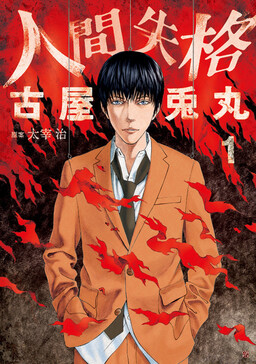
No Longer Human
Yu's review of No Longer Human manga adaptation — Usamaru Furuya adapts Osamu Dazai's 1948 autobiographical novel into a contemporary setting; the protagonist Yozo Oba is a young man who cannot believe himself to be a human being in the same sense as the people around him; the manga follows his descent through addiction, relationships, and the inability to exist in the world.
Horror / Thriller
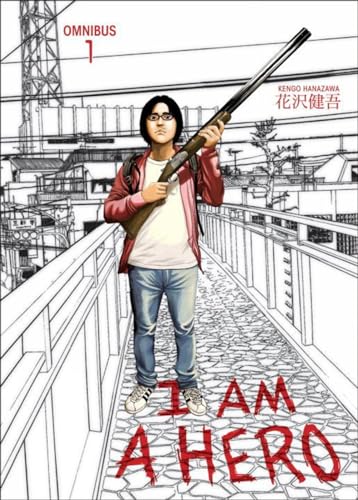
I Am a Hero
Yu's review of I Am a Hero — an unsuccessful manga artist becomes, entirely against his nature, a survivor of the Japanese zombie apocalypse.
Horror / Drama
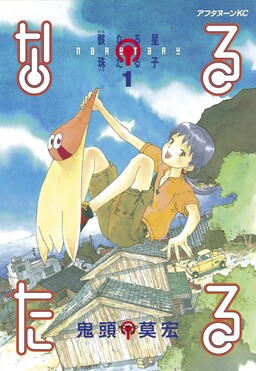
Narutaru
Yu's review of Narutaru — Shiina Tamai finds a star-shaped creature she names Hoshimaru; the story appears to begin as a creature-companion adventure and becomes something much darker, examining what happens when children with real grievances are given real power.
Horror / Drama
Barbara
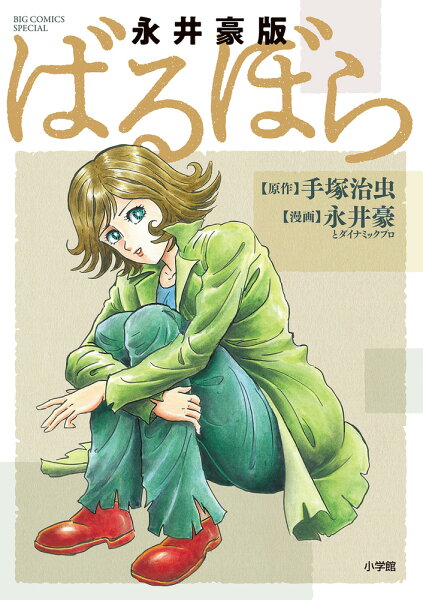
Yu's review of Barbara — Osamu Tezuka's adult psychological horror about Yosuke Mikura, a celebrated novelist who takes in a filthy, drunken muse named Barbara and descends through black masses, perversion, and madness as he loses the ability to tell art from destruction.
Horror / Mystery
Higurashi When They Cry
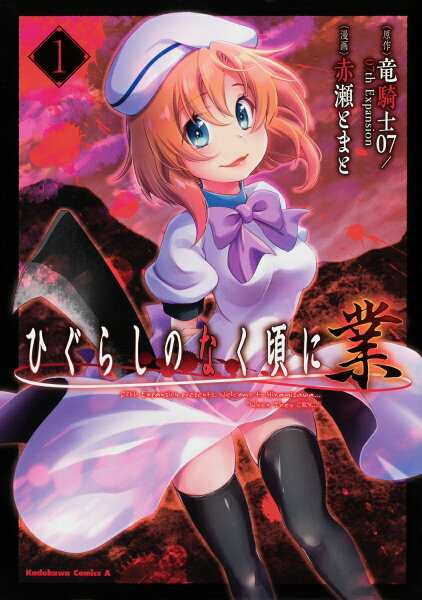
Yu's review of Higurashi When They Cry — Keiichi Maebara moves to the rural village of Hinamizawa and discovers that every year, during the village festival, someone dies and someone disappears; the story resets across multiple arcs, each showing different versions of the same events as Keiichi and his friends try to understand and survive what the village is doing to them.
Horror / Drama
Kasane
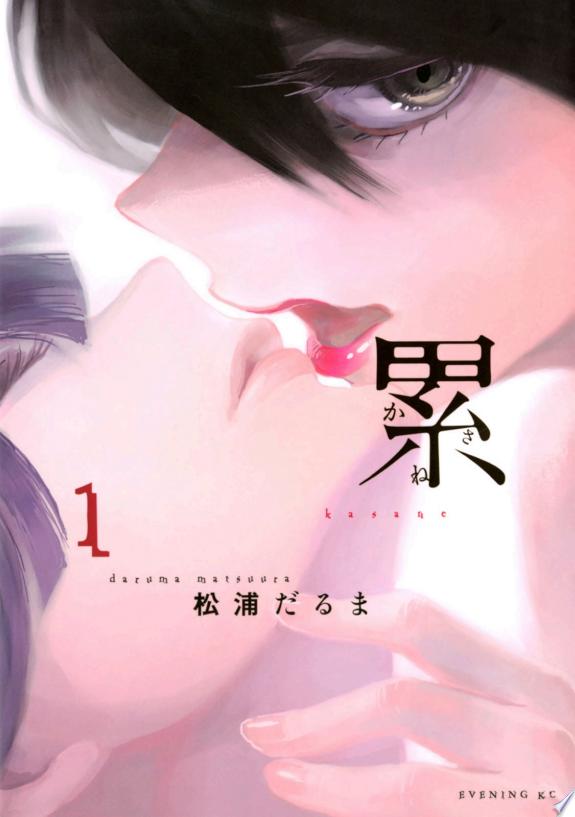
Kasane follows a girl whose face society refuses but whose lipstick can swap her face with another's — a 14-volume Evening psychological drama where every act of becoming someone else is also an act of erasure.
Written by
Yu
Manga Enthusiast from Japan
I grew up in Japan and manga literally saved me during a tough time in elementary school. My English isn't perfect, but my love for manga is real — and I want to share it with you.
Disclosure: This post contains affiliate links. As an Amazon Associate, I earn from qualifying purchases at no extra cost to you.